Nghe nhạc lính
Lính Xa Nhà
| cover guitar (Nghi Nghi)
https://youtu.be/m1wYLOFytV8
Cảm Ơn
- Phương Anh
https://youtu.be/rEfLyVMBKfk
Tàu Đêm Năm Cũ
| Nghi Nghi
https://youtu.be/Eurl_Sp2uNQ
Hát Cho Quê Hương Tôi
# 174(5/8/2021) Jane Phạm Live
https://youtu.be/cPpDXlwhRtY
LÁ CỜ THIÊNG
(Hoàng Tường) Trình bày: Vân Kim
https://youtu.be/RF_RUgpd_6w
LÁ CỜ THIÊNG
Tác giả: Hoàng Tường
PK1:
Máu anh hùng vẫn đổ trên quê hương,
Vì CỜ THIÊNG mà anh chiến đấu,
Vì TỰ DO mà anh không sờn,
Bao gian nan đầy gian khổ,
nước mắt và mồ hôi.
Cho cây rừng mãi đứng thẳng,
Dòng sữa mẹ đong đầy,
Ngọn CỜ VÀNG phất phới bay!
ĐK:
Ta dân Việt quyết không sờn đấu tranh,
Gương anh hùng nuôi chí lớn,
Luôn bảo vệ quê hương,
Phất cao cờ dân tộc.
Mầu vàng da Việt Nam,
Mầu vàng của TỰ DO!
Ta người Việt lưu vong,
Ta người Việt tị nạn,
Ta dân Việt muôn đời,
Tổ Quốc ơi! Quê Hương ơi!
CỜ VÀNG ơi! Mẹ Việt Nam ơi!
PK2:
Lá CỜ VÀNG bốn biển bay tung bay,
Hồn linh thiêng, hồn bất khuất,
Hồn Ông Cha, hồn ôm Sơn Hà.
Ta theo Gương và theo Cờ,
vì nước và vì dân.
Cho muôn đời dòng giống Việt,
Dòng sông mẹ dâng tràn,
muôn triệu người vùng đứng lên.
Phiên âm Cảm Hoài
Thế sự du du nại lão hà,
Vô cùng thiên địa nhập hàm ca.
Thời lai đồ điếu thành công dị,
Vận khứ anh hùng ẩm hận đa.
Trí chúa hữu hoài phù địa trục,
Tẩy binh vô lộ vãn thiên hà.
Quốc thù vị báo đầu tiên bạch
Kỷ độ Long Tuyền đái nguyệt ma.
Đặng Dung
Tác giả: Đặng Dung Thể thơ: Thất ngôn bát cú Thời gian: Thế kỷ 14's
Phiên dịch
CẢM HOÀI
Việc đời bối rối tuổi già vay,
Trời đất vô cùng một cuộc say!
Bần tiện gặp thời lên cũng dễ,
Anh hùng lỡ bước ngẫm càng cay.
Vai khiêng trái đất mong phò chúa,
Giáp gột sông trời khó vạch mây,
Thù trả chưa xong đầu đã bạc,
Gươm mài bóng nguyệt biết bao rày.
Thù trả chưa xong đầu đã bạc,
Dưới trăng mài kiếm mấy thu rồi.
Phan kế Bính dịch
Hình do họa sĩ Vi Vi (thời VNCH, trước 1975) vẽ
Dưới trăng mài kiếm
Sơ lược tiểu sử:
Đặng Dung 鄧容 là con Đặng Tất, một tướng tài thời Hậu Trần. Năm sinh và năm mất của ông không rõ, chỉ biết ông là người làng Tả Thiên Lộc, huyện Phỉ Lộc, tỉnh Hà Tĩnh. Giận cha mình bị vua Giản Định giết oan (1408) vì lời gièm pha của gian thần sau trận Bồ Cô, ông đem quân từ Thuận Hóa về Thanh Hóa, tôn Trần Quý Khoáng lên ngôi vua, và được giữ chức Đồng bình chương sự. Ông cùng Nguyễn Cảnh Dị nhiều lần trực tiếp chiến đấu với quân Minh.
Đêm tháng 9 năm Quý Tỵ (1413), Đặng Dung đánh úp doanh trại giặc và suýt nữa bắt sống tướng Minh Trương Phụ (vì không biết rõ mặt, nên Phụ lợi dụng đêm tối dùng thuyền nhẹ trốn thoát được).
Tháng 11 năm 1413, vua tôi nhà Hậu Trần thế cô cuối cùng bị quân Minh bắt giải về Yên Kinh. "Đại Việt Sử Ký Toàn Thư" không có chép gì về cái chết của ông. Theo Ngô Thi Sĩ trong "Việt Sử Tiêu Án" thì ông và Nguyễn Cảnh Dị bị Trương Phụ moi gan ăn. Đặng Dung còn để lại duy nhất một bài thơ, "Cảm Hoài", chép trong "Toàn Việt Thi Lục".
Lý Tử Tấn có lời bình:
"Phi hào kiệt chi sĩ bất năng".
(Nếu không phải là kẻ sĩ hào kiệt, ắt không thể làm được bài thơ này).
Vai khiêng trái đất mong phò chúa,
Giáp gột sông trời khó vạch mây,
Tại phòng khách Dinh II ở Đà Lạt, có treo bức ảnh sơn dầu khổ rất lớn với hình ảnh tráng sĩ cầm thanh gươm mài bên bờ suối, dưới ánh trăng thanh trong đêm vắng, một con chiến mã đang hí và cảnh núi rừng làm người thưởng lãm gợi nhớ đến một nhân vật anh hùng thời nhà Trần với bài thơ nổi tiếng “Cảm Hoài”, đó là danh tướng Đặng Dung con trai Đặng Tất nổi tiếng trong lịch sử Việt Nam.
Thù trả chưa xong đầu đã bạc,
Gươm mài bóng nguyệt biết bao rày.
hay:
Thù trả chưa xong đầu đã bạc,
Dưới trăng mài kiếm mấy thu rồi.
======================================
"Người Hong Kong tự nhận hậu quả của mình về việc 'làm phim ca ngơi Trung Quốc'".
Người Hong Kong họ không phải người Hán, họ là một phần trong một dân tộc của bách Việt bị người Hán đến chiếm đất, cai trị và đồng hóa.
Nay Người Hong Kong đang bị mất tự do, có nguy cơ sẽ bị mất văn hóa và tiếng nói cũng bị biến mất.
Chính quyền Trung cộng không bao giờ chấp nhận Hong Kong làm phim hay sáng tác nhạc bằng tiếng Quảng Đông nữa. Người Hồng Kông nên tự trách họ trước vì đã làm phim ca ngợi Trung Quốc'
Nước Tàu từ thời Hán Vũ Đế là đã đi vào thoái trào
Nước Tàu từ thời Hán Vũ Đế là đã đi vào thoái trào
Đời Tống thì Hán tộc bị nhục nhã thảm hại trước Liêu, Hạ, Kim. Vừa mất danh, vừa phải cống nạp.
Đám vua tôi Nam Tống để giữ dân trong vòng kềm tỏa, trung thành với mình chứ không chạy sang Liêu, Kim nên cổ súy bọn hủ Nho.
Hủ Nho tập hợp tất cả Khổng giáo, Đạo giáo, phong thủy rồi xào thành một mớ hổn độn gọi là “Lý Học”: Thái Cực sinh Lưỡng Nghi, Lưỡng Nghi sinh Tứ Tượng?
Rồi quan sát thiên văn nhưng không áp dụng thí nghiệm, không phát minh dụng cụ hỗ trợ… mà chỉ uống rượu ngắm trăng quan sát thiên văn rồi phán bậy bạ.
Thành ra 28 chòm sao trong khi ngày nay, một đứa trẻ con dùng ống nhòm cũng có thể tìm ra hằng trăm chòm sao khác!
Bọn nịnh thần thì chỉ cần có sao băng hay sao chổi quét qua, nhân đó tán dương tán vượn linh tinh để hôn quân sướng lên rồi ban phát cho bổng lộc...
Nho giáo hủ lậu, phong thủy nhảm nhí và độc tài toàn trị bệnh hoạn đã dẫn đến một kết quả “phi thường”:
Văn minh Tàu Khựa đứng im từ thời Hán Vũ Đế cho tới khi chiến tranh Thuốc Phiện 1840.
Tức là hơn 1900 năm đứng im tại chỗ! Để đến bây giờ bọn Tàu Cộng vẫn còn cố súy rao giảng giáo lý hủ nho Khổng Khâu.
Bởi vì hàng tá Đạo giáo thần tiên, Tống Nho, Minh Nho của chúng bị ‘nhảm nhí’ hết thảy.
Hai nghìn năm không ra một cái tư tưởng gì!
Đầu thế kỷ 20 đã nổ ra một cuộc tranh luận sôi nổi về nguồn gốc nước Tàu
Đầu thế kỷ 20 đã nổ ra một cuộc tranh luận sôi nổi về nguồn gốc nước Tàu.
Phái Quách Mạt Nhược cho rằng nước Tầu mới có từ đời Tần (- 221). Xin lưu ý, nước tàu là nước duy nhất không có tên nước.
Danh từ "Tàu" phiên âm từ Tần (Tsin = Chine = China) tên một triều đại có từ hai trăm năm trước tây lịch, nhưng
sau họ Hồng Bàng của Việt hàng ngàn năm, và sau Thần Nông (thần Nông Nghiệp của Việt 3 ngàn năm).
Còn danh từ Trung Quốc có từ nhà Hạ (- 2188). “Nhà Hạ mới qua sông Hoàng Hà, đóng đô ở tỉnh Hà Nam” (121 Wu).
Trung Quốc là nước ở chính giữa, hàm ý rằng -- chung quanh trung quốc có những nước khác.
Sau này Tần Thủy Hoàng mới chiếm nước Sở, Ngô, Việt (Sở là Kinh Dương Vương của ta)
để thâu tóm các nước lân bang mà thành nước Tàu rộng mênh mông ngày nay. Trước kia thì nước Tần/Tàu bé tí ti, bằng một Quận Huyện ngày nay:
“Đời Chu, nước Tàu còn nhỏ chỉ quanh bờ sông Hoàng Hà”.
------------------------------------------
------------------------------------------ Điều gì sẽ xảy ra nếu nhà Minh không phá hủy tất cả các nền văn hóa của nhà Lý và nhà Trần, thì Việt Nam (hay cụ thể là miền Bắc Việt Nam) sẽ ít Nho giáo hơn ngày nay?
Chúng ta có thể không bao giờ biết chắc chắn. Mặc dù Lý và Trần chúng ta rõ ràng là Phật giáo hơn nhiều so với các triều đại sau này, nó vẫn là một nhà nước Nho giáo, với các học giả Nho giáo cai trị quốc gia, và Nho giáo là cơ sở giáo dục cho bất cứ ai có thể đủ khả năng giáo dục. Liệu họ có bị lu mờ hoàn toàn bởi Phật giáo hay không nếu nhà Minh không bị xâm lược, sẽ không ai biết. Lý và Trần đã chấp nhận tân Nho giáo trước khi nhà Minh xâm lược.
6y
Related
Why did China burn Vietnamese books when the Ming dynasty annexed Vietnam?
Originally Answered: Why did the Ming dynasty burn Vietnamese books when they annexed Vietnam?
-- To make Vietnamese people forget their roots.
This policy was strictly enforced by Yongle emperor. His command to the army in Vietnam in July 1406 is as follow:
兵 入 。除 釋 道 經 板 經 文 不 燬 。外 一 切 書 板 文 字 以 至 俚 俗 童 蒙 所 習 。如 上 大 人 丘 乙 已 之 類 。片 紙 隻 字 悉 皆 燬 之 。其 境 內 中 國 所 立 碑 刻 則 存 之 。 但 是 安 南 所 立 者 悉 壞 之 。 一 字 不 存。
"Once our army enter Annam (Vietnam currenly), except Buddhist and Taoist text; all books and notes, including folklore and children book, should be burnt. The stelas erected by China should be protected carefully, while those erected by Annamese (Vietnamese currently), should be completely annihilated, do not spare even one character."
Yongle's command on 21st May 1407 read:
"I have repeatedly told you all to burnt all Annamese books, including folklore and children books and the local stelas should be destroyed immediately upon sight. Recently I heard our soldiers hesitated and read those books before burning them. Most soldiers do not know how to read, if this policy is adapted widely, it will be a waste of our time. Now you have to strictly obey my previous command, and burnt all local books upon sight, without hesitation."
And indeed within 20 years, almost all written sources in Vietnam accumulated over 400 years were wiped out. Vietnamese scholars who survived the purge mourned that fire of burned books are as high as mountains, burning day after day, while the number of books that need to be carried back to China was so staggering that no horses can bear and they must be transported on rafts.
Hồ Nguyên Trừng, a Vietnamese person gifted in innovating firearms and was a mandarin in China after Hồ dynasty was defeated, tried to counter the loss of Vietnamese history by writing Nam Ông mộng lục (Dream memoir of Nam Ông). It retells stories about Vietnam in the previous 400 years according to the author's memory. As a Ming mandarin at that time, he cannot accuse the Ming dynasty of purposefully burning Vietnamese books, but he did mention the great loss of book due to fire in the book's opening:
Luận ngữ has a saying "Among ten roofs, there must be someone as credible as I am". Needless to say, Giao Nam (referring to Vietnam) is a land of talented people, it is unfair to think that just because it is a faraway land, talented people there are lacking. Notes on bygone people's words and actions are very interesting, but after wars and fires, all books are burnt, so that these tales are lost to us, isn't that pitiful? Considering that, I sought out to write down ancient stories, although most of them are lost, only one or two tales among one hundred are preserved. I collected them into a book, named Dream Memoir of Nam Ông, in case someone want to read them, [...].
If I am asked "All the people you noted are kind, then along your life you have not ever heard of unkind people?" I answered "I am naturally inclined towards stories about kind people, so I can note them down, it is not that unkind people did not exist, but that I cannot remember any of them.". If I am asked again "Why did you call your book a dream memoir?", I answer "The people in this book lived in a great world that is lost now, life keep changing, traces of them are lost, only the people who heard about them still live, isn't that a dream? [...]"
Even with Ho Nguyen Trung's determination, no human effort can repair the harm done. Books about Ly and Tran dynasty customs, literature and governmental organization are forever lost. At the beginning of Le dynasty, while the court want to model their organization on that of Ly and Tran dynasty, it is impossible due to lack of record, and in the end it has to emulate Ming dynasty organization. Even nowadays, Vietnamese historians face great difficulties to accurately reconstruct ancient costumes in Ly and Tran dynasty.
All the translation in this answer are rough and done by me. Please tell me if you spot any mistake, thank you in advance.
Profile photo for James Luong (梁孟俊)
James Luong (梁孟俊)
· 6y
also, i humbly provide some info on Vietnamese traditional clothing
What was the clothing trend for commoners in ancient Vietnam before the Nguyen dynasty?
James Luong (梁孟俊)
· 6y
Your translation is so accurate that it put me to tears! It is indeed a pity that much of ancient culture was lost. I also remind me of the colonial and socialist period. So much culture were lost at that time too.
Profile photo for Le Hoang Anh
Le Hoang Anh
· 6y
Thank you :)
Profile photo for Jason Li
Jason Li
· 6y
It shocks me more when some even refuse to recognise this as cultural genocide.
Profile photo for Muhammad Bagoes Bachtiar
Muhammad Bagoes Bachtiar
· 1y
Qin Shi Huang must be proud with emperor Yonglee deed.
Profile photo for Do Duc Nam
Do Duc Nam
· 3y
And people still asking why Vietnamese hate Chinese deep into our bones :v
Profile photo for Fred Sun
Fred Sun
· 6y
There seems to be a small error in the punctuation of the first sentence cited from "南翁夢錄"(Nam Ông mộng lục). The original punctuation is:
"語稱:十室之邑,必有忠信。 如丘者焉,况交南人物,自昔蕃 盛,豈可以偏方而遽謂無人乎哉!"
But I think it is:
"語稱:十室之邑,必有忠信如丘者焉。况交南人物,自昔蕃盛,豈可以偏方而遽謂無人乎哉!"
The sentence "十室之邑,必有忠信如丘者焉" is quoted from "論語"(The Analects; Luận ngữ), which shouldn't be separated into two sentences. Yet the English translation is correct.
Profile photo for Le Hoang Anh
Le Hoang Anh
· 6y
Thank you for your information :)
Profile photo for Robert Kang
Robert Kang
· 6y
Your translation of classical Chinese is amazing. Where did you learn it? Is classical Chinese a well studied topic in Vietnam? I just started following Vietnamese culture, so please excuse my ignorance on this.
Profile photo for Le Hoang Anh
Le Hoang Anh
· 6y
I translated from quốc ngữ into English only, I do not know classical Chinese. It is all thanks to the amazing translators who translated from classical Chinese into quốc ngữ. Although there are not many people well-versed in classical Chinese in Vietnam, those who do are very devoted. Also I wish you fun exploring Vietnamese culture, if you have any question, please pose and a2a me too, I will try my best to answer them :)
Profile photo for Cheong Tee
Cheong Tee
· 1y
Words of caution: Historical revisionism - Wikipedia
I haven’t done any research on how much books burning might actually had happened in Vietnam during Ming invasion, and how much literary stuff had actually been lost and non-recoverable. Yet, let’s be careful when making judgement against foreign invasion, as we naturally like to assume the worst against some long standing enemies from or since ancient days, hating often makes us feel good, it triggers certain hormones.
Anyway, as a Chinese, I was brought up learning about how cruel that Qin emperor had been. I learned roughly that he burned all books and killed many scholars from prior dynasty.
Burning of books and burying of scholars - Wikipedia
Yet skepticism exists, below are some excerpts. So let’s be cautious and put restraints on the hating against China and Chinese.
In 2010, Li Kaiyuan (李开元), a researcher in the field of history of Qin Dynasty and Han Dynasty, published an article titled The Truth or Fiction of the Burning the Books and Executing the Ru Scholars: A Half-Faked History (焚书坑儒的真伪虚实——半桩伪造的历史), which raised four doubts about "executing the ru scholars" ("坑儒") and argued that Sima Qian had misused historical materials. Li believes that the burning the books and executing the ru scholars is a pseudo-history that is cleverly synthesized with real "burning the books" (真实的"焚书") and false "executing the ru scholars" (虚假的"坑儒").[10]
The scholar Michael Nylan observes that despite its mythic significance, the Burning of the Books legend does not bear close scrutiny. Nylan suggests that the reason Han dynasty scholars charged the Qin with destroying the Confucian Five Classics was partly to "slander" the state they defeated and partly because Han scholars misunderstood the nature of the texts, for it was only after the founding of the Han that Sima Qian labeled the Five Classics as "Confucian". Nylan also points out that the Qin court appointed classical scholars who were specialists on the Classic of Poetry and the Book of Documents, which meant that these texts would have been exempted, and that the Book of Rites and the Zuozhuan did not contain the glorification of defeated feudal states which the First Emperor gave as his reason for destroying them.[4] Martin Kern adds that Qin and early Han writings frequently cite the Classics, especially the Documents and the Classic of Poetry, which would not have been possible if they had been burned, as reported.[5]
Sima Qian's account of the execution of the scholars has similar difficulties. First, no text earlier than the Shiji mentions the executions, the Shiji mentions no Confucian scholar by name as a victim of the executions, and in fact, no other text mentions the executions at all until the 1st century AD. The earliest known use of the famous phrase "burning the books and executing the Confucians" is not noted until the early 4th century.[5]
Profile photo for Wei Shi
Wei Shi
· 3y
Hồ Nguyên Trừng was like & trust by Yongle emperor, so he could be high officer instead of share the jail cell with his father & younger brother for the rest of their natural life.
Comment deletedApril 28, 2019
Profile photo for Fred Sun
Fred Sun
· 6y
I think so. Traditionally, the alias (号, i.e. another name named by the scholar himself) usually suggests a scholar's interest, hometown, etc. I think here "南" (Nam) implicates the hometown.
Comment deletedNovember 27, 2019
Profile photo for Bao D. Nguyen
Bao D. Nguyen
· 3y
Can you list were you got thee information from?
Comment deletedApril 28, 2019
Profile photo for Fred Sun
Fred Sun
· 6y
I think so. Traditionally, the alias (号, i.e. another name named by the scholar himself) usually suggests a scholar's interest, hometown, etc. I think here "南" (Nam) implicates the hometown.
in this time , Yunnan tribe people is weak & dont have strong root like Vietnam
Profile photo for Timothy Mason
Timothy Mason
·
Follow
Studied the PTO for 40 years3y
Related
If the US fought in the Pacific theater during WWII, then why was combat in Vietnam such a struggle?
From the end of WWII the US Military had organized its training, doctrine, and tactics around the possibility against the USSR/Warsaw Pact. This view imagined set piece battles largely focused on capturing and holding geographic locations. A second aspect of this methodology was to destroy the enemy’s ability to fight by killing troops and equipment. There were very few battles in Vietnam that conformed to this type of scenario.
When the US tried to engage the VC/NVA, they would largely retreat back int
from Vietnam, used to be colonized by China and France
========================================
Trước Hiên Viên Hoàng Đế thì Trung Nguyên của ai?
Trước nhà Tần, nước Tàu thuộc về ai?
Đất đai văn hóa của ai trước?
Chắc chắn là của Bách Việt.
Bách Việt là làm chủ văn minh nông nghiệp nên thờ Thần Nông.
Tác phẩm “Thiên Đàng ở Phương Đông” (Eden In The East) của Stephen Oppenheimer xác định rằng “sự thuần hóa cây
lúa nước không bắt đầu từ Trung Quốc mà từ miền nam bán đảo Mã Lai, 9 ngàn năm trước tây lịch”.
Chính tổ tiên chúng ta là những người thầy dạy cho người Hán trồng lúa chứ không phải Nhâm Diên, Sĩ Quang... đến dạy
cho người Việt như sách vở Tàu xuyên tạc và các sử gia Việt tiếp tục lập lại từ sách vở của người Tàu!
Chu là Sở, Sở là Việt tộc, việc đó là điều hiển nhiên. Người Hán họ tôn thờ chủ thuyết nhà Chu và lịch sử do nhà Chu biên soạn, rồi kể từ đó, đến khi Đại Hán thành lập thì người Hán họ đã gom về hết chủ thuyết của nhà Chu và chữ viết của tộc Việt, vì thế Văn hóa Việt bị trở thành Hán; lúc đó tất cả mỗi dân tộc quanh đó đều bị áp lực của người Hán đã phải gọi là chữ Hán và nhận mình Hán tộc.
Người Việt tự nhận mình là dân tộc Kinh, người kinh. Sách sử Hán cũng gọi người Sở là Kinh Sở và sách sử Hán cũng gọi người Việt là người Kinh. Tại sao thế? Lần mò dấu vết, ta thấy -- Nhà Thang bị nhà Chu lấy đất và nước Thang bị đổi tên là Nước Sở. Phân nửa của nước Thang bị Chu lấy và nửa kia của Thang bị đổi tên là Sở.
Sở quốc 楚國), cũng được gọi Kinh Sở.
Sở Từ (楚辞) là tuyển tập thi ca đầu tiên trong lịch sử văn học thời đó. Một thể thơ mới do quan đại phu nước Sở Khuất Nguyên sáng tác. Danh xưng Sở Từ đã tồn tại từ thời đầu nhà Tây Hán, được Lưu Hướng biên tập.
Tuyển tập thi ca Sở Từ là một thể thơ mới do quan đại phu nước Sở Khuất Nguyên sáng tác. Danh xưng Sở Từ đã tồn tại từ thời đầu nhà Tây Hán, được Lưu Hướng biên tập.
Sở Từ đã được truyền bá rộng rãi vào thời Thịnh Đường tới những quốc gia và vùng đất thuộc vùng văn hóa chữ Hán, bao gồm Nhật Bản cũng như Việt Nam và Triều Tiên/Đại Hàn ngày nay.
Đến thế kỷ thứ 16, Sở Từ lần đầu tiên tiếp cận người châu Âu. Sang đến thế kỷ 19, tác phẩm này đã thu hút được sự chú ý rộng rãi tại các quốc gia Âu Mỹ khi mà số lượng lớn các bản dịch cũng như hàng loạt các công trình nghiên cứu bằng nhiều ngôn ngữ khác nhau đồng loạt xuất hiện.
Trong giới Hán học quốc tế, Sở Từ luôn là một trong những tâm điểm của việc nghiên cứu.
Sở Từ có tổng cộng 16 thiên từ phú. Về sau Vương Dật bổ sung thêm "Cửu tư" (九思) của mình tạo thành tổng cộng 17 thiên. Toàn bộ tác phẩm chủ yếu dựa trên những sáng tác của Khuất Nguyên, trong khi các thiên còn lại cũng kế thừa hình thức thơ phú của ông. Do vận dụng kiểu dáng văn học, âm ngữ và di sản phong thổ nước Sở, lại mang đậm màu sắc, phong thái của một địa phương nên Sở từ có ảnh hưởng sâu sắc tới nền thi ca của hậu thế.
Dục Hùng từng giữ chức quan trọng triều nhà Thang/Thương, Dục Hùng là thái sư của Chu Văn Vương. Dục Hùng từng là thầy dạy học của Chu Văn Vương. Như vậy vua Chu học văn hóa và chữ viết của nhà Thang/Thương từ thái sư Sở Dục Hùng của nhà Thang/Thương.
Khi Chu Văn Vương cướp và tiêu diệt nhà Thang/Thương, thì Dục Hùng được Chu Văn Vương cử đi cai quản khu vực ở phía Nam Triều Ca (nay thuộc Tân Tịnh, Hà Nam). Chu Văn Vương cho con của Dục Hùng là Hùng Lệ và cháu Dục Hùng là Hùng Cuồng được phong làm quan trong triều Chu. Đến đời Chu Thành Vương thì Hùng Dịch được Chu Thành Vương phong cho đất Kinh, tước hiệu là Sở tử[11]. Sở chính thức trở thành nước Đất Kinh còn gọi là Kinh Sở, hay Sở quốc. Kinh đô nước Sở ban đầu đặt tại Đan Dương[12]. Người đầu tiên của nước Sở là Dục Hùng và Dục Hùng* đổi thành họ Hùng.
Năm 546 TCN Tấn và Sở quyết định giảng hòa với nhau làm thành liên minh hợp tung. Cùng năm đó, hai vị tướng quốc của Tấn và Sở là Triệu Vũ và Khuất Kiến đã triệu tập 14 nước nhỏ là Tấn, Sở, Tề, Tần, Tống, Lỗ, Trịnh, Vệ, Trần, Sái, Tào, Hứa, Chu, Đằng đến hội ở đất Tống cùng lập minh ước đối đầu với hai nước là Tề và Tần là hai nước có lãnh thổ khá rộng.
* Sở Dục Hùng 楚鬻熊 còn đọc là Chúc Hùng, hay Huyệt Hùng 穴熊
Đất Hiểm Doãn thời Chu, chính là Hung Nô thời Tần.
Đất Hiểm Doãn thời Chu, chính là Hung Nô thời Tần
■ Tại sao Chu là Sở, Sở là Chu?
■ Tại sao Chu từ triều đại nhà Thang/Thương mà ra, mà có?
■ Tại sao gọi Hán và Sở tranh hùng?
■ Tại sao Văn hóa Việt bị trở thành văn hóa của Hán?
~~~~~~~~~~~~~~~~~~~~~~~~~~~
Chu là Sở,
Sở là Việt tộc
Chu là Sở, Sở là Việt tộc, việc đó là điều hiển nhiên. Người Hán họ tôn thờ chủ thuyết nhà Chu và lịch sử do nhà Chu biên soạn, rồi kể từ đó, đến khi Đại Hán thành lập thì người Hán họ đã gom về hết chủ thuyết của nhà Thang/Thương và nhà Chu và chữ viết của nhà Thang/Thương và Chu là của tộc Việt, vì thế Văn hóa Việt bị trở thành Hán; và cũng vì lúc đó tất cả mỗi dân tộc quanh đó đều bị áp lực của người Hán đã phải gọi là chữ Hán và nhận mình Hán tộc. Tại sao chữ Viết của nhà Thang/Thương và Chu là của Việt tộc? Chúng ta biết Thái Sư Sở Dục Hùng 楚鬻熊 làm quan trong triều nhà Thang, và chữ khoa đẩu, hay chữ trùng điểu là của Việt tộc, mà sau này Tần Thủy Hoàng đã dùng chữ Khoa Đẩu này, ông ta gọi là chữ Triện, Đại Triện và chữ nhà Tần là chữ Tiểu Triện. Đến khi nhà Hán diệt nhà Tần, Tướng người Hán cũng là người Sở đó là Lưu Bang và Hạng Võ, cũng dùng chữ Triện nhà Tần và có cải biến, thay đổi thành chữ Lệ, chữ Khải... theo thòi gian dần trông rất khác, nhưng là theo hệ thống chữ chữ Triện mà tiền thân của chữ triện là chữ khoa đẩu, chữ trùng điểu của Việt tộc. Chính cây gươm của vua Việt Vương Câu Tiễn đã nói lên điều này.
Trận đầu tiên giữa Hán tộc và Việt tộc -
Trận Trác Lộc.
Thất trận ở Trác Lộc, Việt tộc mất vùng đất Trung Nguyên vào tay Hán tộc.
Thời tiền Việt (pre Yue - Viet) và trận đánh đầu tiên giữa bộ tộc du mục Hán tốc (Hoàng Đế/(Hoang-ti) - Hiên-Viên/Huan-yuan) (Hán Tộc) chiếm đánh bộ tộc định cư định canh của Đế Viêm con cháu Thần Nông (Việt tộc).
Thần Nông Đế Viêm 帝炎/帝/The Yan Emperor 帝 炎; Yán Dì / or the Flame Emperor.
Thời chiến tranh Trác Lộc, triều đại Đế Viêm/Yan Emperor là thiên tử nước của đất Xích Thần của Đế Du Võng 帝榆罔) vị vua cuối cùng của Thần Nông thị (Đời thứ chín (thứ 9) của Đế Viêm.
Xi-Vưu là tù trưởng của Miêu-tộc cũng là thống soái của Thiên Tử Xích Thần triều đại Đế Viêm .
Hiên-Viên (Huan-yuan) thống lĩnh các thị tộc người Hán du mục (khoảng 2697 trước Tây Lịch) thì ông tìm cách tiêu diệt luôn Xi-Vưu là tù trưởng của Miêu-tộc để chiếm miền lưu vực Hoàng Hà mà vào bản bộ của mình.
Sau khi toàn thắng, Hiên Viên lên ngôi xưng là Hoàng đế (Hoang-ti) người Hán gốc văn hóa du mục mở đầu thời Ngũ đế. khi bộ lạc của Xi vưu thua trận phải sáp nhập vào với bộ tộc của Hoàng đế (Hán Tộc du mục) tạo thành lai giống là người Hoa Hạ, giống Hoa Hạ là giống du mục lai tạp nay lai Việt tộc và từ đó giống du mục lai giống có văn hóa du mục và văn hóa định cư định canh của tộc Việt cổ bắc đầu ở Trung Nguyên.
Cũng có những bộ lạc không thuần phục Hoàng Đế, họ tản mác chạy vào núi rừng hoặc tràn về phương nam. Cùng thời đó, cùng thời với Hoa Hạ ở thì Việt tộc họ Hồng Bàng cũng bắt đầu cho dòng Bách Việt.
*** Vị trí nước Xích Thần (Bắc Miêu/Bắc Thần Nông) nằm vắt ngang sông Hoàng Hà, trải dài xuống phía bắc châu thổ sông Dương Tử, với hàng vạn bộ tộc nông nghiệp chuyên canh lúa nước, chăn nuôi gia súc như trâu, bò, lợn, chó, gà, vịt… trồng cây ăn trái, đánh bắt tôm, cá, mò nghêu, lượm sò… Vị vua đương thời là Đế Lai, con Đế Nghi, cháu nội Đế Minh, thuộc dòng dõi Thần Nông Đế Viêm. Kinh đô nước Xích Thần đặt tại Sơn Đông, tức là vùng đất thuộc nước Lỗ sau này.
*** Để cứu nguy nước Xích Thần, vua Đế Lai đem công chúa Âu Cơ (một vị nữ tướng) về Nam, đến nước Xích Quỷ (Nam Miêu, Bách Việt) cầu viện binh đồng thời gả công chúa Âu Cơ cho vua Lạc Long Quân, con vua Kinh Dương Vương, cháu nội vua Đế Minh. Tổ chức xã hội Xích Quỷ giống xã hội Xích Thần, nhưng đất nước Xích Quỷ thịnh vượng, dân cư đông đúc, giàu mạnh hơn. Lạc Long Quân họp dân quân 100 bộ tộc gọi là Liên Minh Xích Quỷ.*
Vào thời Chiến Quốc, nhà nước Văn Lang tan rã, một số thủ lĩnh khu vực thành lập những nhà nước của người Việt như Ngô, Việt, Sở…
Có hai giải thích về danh xưng Hùng Vương:
- Một là dòng dõi họ Hùng Vương nước Sở,
- Hai là Lạc Vương vua của dân Lạc Việt.
Sách Sử Ký – thiên Sở Thế gia viết rằng người Sở là dân Man (Sở Man), vua Sở nhận mình là dân Man Di. Man là chữ người Hạ gọi dân miền Nam không phải là người Trung Nguyên.
Những khai quật khảo cổ ở vùng Kinh Sở gần đây cũng cho thấy rằng thực ra cư dân tối cổ ở vùng Kinh Sở có nguồn gốc Tam Miêu, một dân tộc thuộc nhóm Bách Việt. Đây có thể là nhóm Âu Việt ở phía Tây nên còn gọi là tộc Tây Âu, để phân biệt với Đông Âu là tộc Âu Việt phía Đông, tức vùng Mân – Đài (Phúc Kiến). Tộc Tây Âu, theo các nhà dân tộc học, có thể là tổ tiên các tộc H’mông, Lào, Miến, Thái… hiện nay, ít nhiều cũng có cùng huyết thống người Việt Nam cổ.
Đặc biệt là quý tộc Sở cổ đều có họ Hùng (熊 – con gấu) là vua Sở là Hùng Vương, phải chăng có liên hệ gì đó đến Hùng Vương ở Việt Nam, chỉ khác chữ Hán viết 雄 – hùng mạnh, trong cổ sử của Tàu thì không tìm thấy ghi Hùng Vương 雄 này, có lẽ đây là do các nhà Nho Việt Nam viết lại Hùng Vương = 雄 – hùng mạnh sau này!).
==============000000000000=============
Người Việt tự nhận mình là dân tộc Kinh, người kinh. Sách sử Hán cũng gọi người Sở là Kinh Sở. Tại sao thế? Lần mò dấu vết, ta thấy Nhà Thang bị nhà Chu lấy đất và nước Thang bị đổi tên là Nước Sở. Phân nửa của nước Thang bị Chu lấy và nửa kia của Thang bị đổi tên là Sở.
Sở quốc 楚國), cũng được gọi Kinh Sở.
Dục Hùng từng giữ chức quan trong triều nhà Thương. Dục Hùng từng là thầy dạy học / thái sư của Chu Văn Vương.
Khi Chu Văn Vương tiêu diệt nhà Thương, thì Dục Hùng được cử đi cai quản khu vực ở phía Nam Triều Ca (nay thuộc Tân Tịnh, Hà Nam). Chu Văn Vương cho con của Dục Hùng là Hùng Lệ và cháu Dục Hùng là Hùng Cuồng được phong làm quan trong triều Chu. Đến đời Chu Thành Vương thì Hùng Dịch được Chu Thành Vương phong cho đất Kinh, tước hiệu là Sở tử[11]. Sở chính thức trở thành nước Đất Kinh còn gọi là Kinh Sở, hay Sở quốc. Kinh đô nước Sở ban đầu đặt tại Đan Dương[12]. Người đầu tiên của nước Sở là Dục Hùng và Dục Hùng đổi thành họ Hùng.
Năm 546 TCN Tấn và Sở quyết định giảng hòa với nhau làm thành liên minh hợp tung. Cùng năm đó, hai vị tướng quốc của Tấn và Sở là Triệu Vũ và Khuất Kiến đã triệu tập 14 nước nhỏ là Tấn, Sở, Tề, Tần, Tống, Lỗ, Trịnh, Vệ, Trần, Sái, Tào, Hứa, Chu, Đằng đến hội ở đất Tống cùng lập minh ước đối đầu với Tề và Tần là hai nước có lãnh thổ khá rộng. (Trích)
Lưu ý: Những người thời Xuân Thu Chiến Quốc như nhà Thương/Thang/Ân Thương hay người Sở... họ không phải là người Tần / hay Tàu hay người Chai Na [China]. Người Tàu Chai Na họ vơ tất cả những người này thành người Tàu/Chai Na [China], đây là hành động ăn cướp văn hóa và đánh tráo lịch sử.
==========================================
Bách Gia Chư Tử
Bách Gia Chư Tử (諸子百家; zhū zǐ bǎi jiā) là những triết lý và tư tưởng ở Trung Nguyên cổ đại nở rộ vào giai đoạn từ thế kỷ thứ 6 đến năm 221 TCN trong thời kỳ Xuân Thu và Chiến Quốc.
Đây là thời kỳ hoàng kim của triết học Trung Quốc vì rất nhiều hệ thống triết lý và tư tưởng được phát triển và bàn luận một cách tự do. Hiện tượng này được gọi là trăm nhà tranh tiếng (百家爭鳴/百家争鸣 "bách gia tranh minh" bǎijiā zhēngmíng. Nhiều hệ thống triết lý và tư tưởng Trung Quốc ở thời kỳ này đã có ảnh hưởng sâu rộng tới cách sống và ý thức xã hội của người dân các nước Đông Á cho đến tận ngày nay.
Xã hội trí thức thời kỳ này có đặc thù ở sự lưu động của những người trí thức, họ thường được nhiều nhà cai trị ở nhiều tiểu quốc mời làm cố vấn về các vấn đề của chính phủ, chiến tranh, và ngoại giao.
Thời kỳ này kết thúc bởi sự nổi lên của nhà Tần và sự đàn áp các tư tưởng khác biệt sau đó.
I. Tổng quát
Vào những năm cuối thời nhà Chu, từ cuối thời Xuân Thu tới khi Trung Nguyên bị nhà Tần thâu tóm, trong lúc hệ thống tư tưởng ở Trung Nguyên bước vào giai đoạn nở rộ nhất. Gương mặt quan trọng nhất trong thời kỳ này chính là Khổng Tử, người sáng lập Nho giáo. Ông đã lập ra một triết lý đạo đức chặt chẽ, không sa đà vào những suy luận siêu hình. Mục đích của ông là cải tổ triều đình, nhờ thế có thể chăm sóc dân chúng tốt hơn.
Một nhà triết học khác là Lão Tử, cũng tìm cách cải cách chính quyền, nhưng triết học của ông ít có tính thực dụng. Lão Tử được cho là người sáng lập Đạo giáo, với giáo lý căn bản là tuân theo Đạo.
Trong khi Khổng giáo chủ trương tuân theo đạo trời bằng cách phải sống tích cực nhưng có đức.
Đạo giáo khuyên không nên can thiệp và tranh chấp.
Người thứ hai góp phần phát triển Đạo giáo chính là Trang Tử. Ông cũng dạy một triết lý gần tương tự. Tuy nhiên, cả hai không tin rằng Đạo có thể giải thích được bằng lời, vì vậy sách của họ mâu thuẫn và thường rất khó hiểu.
Trường phái lớn thứ ba là Mặc Tử, người cũng tìm cách cải cách triều đình để bảo đảm đời sống cho người dân. Tuy nhiên, Mặc Tử tin rằng -- nguyên nhân căn bản của mọi tai họa và khốn cùng của con người là do yêu người này mà ghét người kia, và vì vậy ông giảng giải thuyết kiêm ái: Thông thường, người ta với những người có quan hệ gần gũi ta đối xử với họ khác hơn so với một người hoàn toàn xa lạ. Mặc Tử tin rằng chúng ta phải đối xử với tất cả mọi người như đối với người thân nhất của chúng ta vậy. Nếu tất cả chúng ta đều làm như thế, những thứ như chiến tranh và đói nghèo sẽ biến mất.
Một trường phái lớn khác là Pháp gia. Xuất phát từ một nhánh của Khổng giáo.
Pháp gia tin rằng con người vốn bản tính ác và chỉ vị kỷ. Kiểu triều đình tốt nhất và đóng góp nhiều nhất cho phúc lợi người dân sẽ là một triều đình kiểm soát chặt chẽ các bản năng của con người. Triều đình này sẽ cai trị bằng những pháp luật cứng rắn và chặt chẽ; sự trừng phạt sẽ nghiêm khắc và nhanh chóng.
Sự tin ở việc cai trị bằng pháp luật là lý do tại sao họ được gọi là Pháp gia.
II. Các trường phái tư tưởng
Nho gia
Bài chi tiết: Nho giáo
Khổng Tử, người sáng lập Khổng giáo, có ảnh hưởng rất lớn tới hệ tư tưởng của Trung Quốc và Đông Á.
Nho gia, Nho giáo (hay còn gọi là Khổng giáo) là hệ thống tư tưởng có ảnh hưởng lớn nhất tới đời sống Trung Quốc. Nó cũng được coi là một Trường phái của các học giả, những bản ghi chép kế thừa của nó nằm trong những cuốn sách kinh điển Khổng giáo, sau này nó trở thành nền tảng của xã hội truyền thống.
Khổng Tử (551–479 TCN), coi giai đoạn đầu của nhà Chu là một trật tự chính trị - xã hội lý tưởng. Ông tin rằng -- hệ thống chính phủ muốn có hiệu quả thì "Vua phải ra vua và tôi phải ra tôi". Hơn nữa, ông cho rằng một vị vua phải có đạo đức để có thể cai trị một cách đúng đắn. Đối với Khổng Tử, các chức năng của chính phủ và tầng lớp xã hội là những sự thực của cuộc sống cần phải được duy trì bởi những giá trị đạo đức; vì thế con người lý tưởng của ông là quân tử (hay con của vị vua cai trị), nó thường được dịch thành "người quý phái" trong tiếng Anh.
Mạnh Tử (371–289 TCN), là người kế thừa tư tưởng của Khổng Tử, có những đóng góp quan trọng vào việc truyền bá chủ nghĩa nhân đạo trong trường phái Nho gia. Ông tin rằng, theo lẽ tự nhiên, bản tính con người là thiện. Ông cho rằng một vị vua không thể cai trị nếu không có sự đồng ý của người dân, và rằng sự trừng phạt dành cho sự cai trị không được lòng dân và bạo ngược chính là để mất "thiên mệnh".
Tác động của những tư tưởng của Khổng Tử, luật lệ và giải thích một hệ thống các mối quan hệ dựa trên thói quen đạo đức, cùng với Mạnh Tử, sự tổng hợp và sự phát triển tư tưởng ứng dụng của Khổng Tử, đã mang lại cho xã hội Trung Quốc truyền thống một khung sườn toàn diện từ đó xếp đặt hầu như tất cả các mặt của cuộc sống.
Đã có những phát triển thêm vào tư tưởng Khổng giáo, ở ngay thời điểm đó và trong quá trình hàng nghìn năm sau cả của những người bên trong và bên ngoài Khổng giáo. Những sự giải thích được sửa đổi để thích ứng với xã hội cho phép một số sự mềm dẻo bên trong Khổng giáo, trong khi hệ thống ứng xử khuôn phép nền tảng của nó từ những thời xa xưa vẫn là phần chính trị căn bản của Khổng giáo.
Ví dụ, hoàn toàn đối lập với Mạnh Tử là sự giải thích của Tuân Tử (kh. 300–237 TCN), một học giả Khổng giáo khác về sau này. Tuân Tử chủ trương rằng con người bẩm sinh là ích kỷ và xấu xa (tính ác); ông cho rằng tính thiện chỉ có được thông qua giáo dục và hành động phù hợp với hoàn cảnh của mỗi người. Ông cũng cho rằng hình thức chính phủ tuyệt vời nhất là dựa trên sự kiểm soát độc đoán, và rằng đạo đức là không liên quan tới việc cai trị một cách hiệu quả.
Pháp gia
Bài chi tiết: Pháp gia
Những chủ trương cai trị không dựa trên tình cảm và theo cách độc đoán của Tuân Tử. Ông đã được phát triển thành một học thuyết là hiện thân của trường phái pháp luật Pháp gia.
Học thuyết này được Thương Ưởng (ch. 338 TCN), Hàn Phi Tử (ch. 233 TCN) và Lý Tư (ch. 208 TCN) thành lập, họ cho rằng bản tính con người là ích kỷ và không thể sửa đổi được; vì thế, cách duy nhất để giữ trật tự xã hội là áp đặt kỷ luật từ bên trên, và tăng cường pháp luật một cách chặt chẽ.
Phái pháp gia đề cao nhà nước trên mọi thứ khác, coi sự thịnh vượng và quyền lực quân sự của nhà nước quan trọng hơn hạnh phúc của người dân.
Pháp gia đã có ảnh hưởng lớn tới những căn bản triết học cho các hình thức chính phủ đế quốc. Trong thời nhà Hán, những yếu tố thiết thực nhất của Khổng giáo và Pháp gia đã được dùng để tạo nên một hình thái tổng hợp, mang tới sự sáng tạo, một hình thái mới của chính phủ tồn tại mãi tới cuối thế kỷ 19.
Đạo gia
Bài chi tiết: Đạo giáo
Lão Tử.
Thời nhà Chu là một giai đoạn chứng kiến sự phát triển của Đạo giáo, luồng tư tưởng có ảnh hưởng lớn thứ hai ở Trung Quốc. Những hệ thống của nó thường được cho là của Lão Tử, người được cho là ra đời trước Khổng Tử, và Trang Tử (369–286 TCN).
Mục đích của Đạo giáo là cá nhân bên trong tự nhiên chứ không phải là cá nhân ở trong xã hội; theo Đạo giáo, mục đích cuộc sống đối với mỗi người là tìm cách điều chỉnh mình và hòa nhập với nhịp điệu của tự nhiên (và thế giới siêu nhiên), để theo đúng (Đạo) của vũ trụ, để sống hài hòa. Nó đối lập về nhiều mặt với chủ nghĩa đạo đức cứng ngắc của Khổng giáo.
Đạo giáo đối với nhiều tín đồ là một cách bổ sung vào cuộc sống hàng ngày. Một học giả khi là một vị quan phải theo những lời răn dạy của Khổng giáo, nhưng những lúc thư nhàn hay khi đã về hưu thì có thể tìm kiếm sự hòa hợp với thiên nhiên như một người Đạo giáo ẩn dật.
Âm Dương gia
Bài chi tiết: Âm Dương Gia
Một khuynh hướng tư tưởng khác thời Chiến Quốc là trường phái Âm - Dương và Ngũ Hành. Là một nhánh được tách ra từ Đạo gia (khoảng 500 năm sau khi Đạo gia hình thành).
Những học thuyết đó cố gắng giải thích vũ trụ theo những thuật ngữ của những lực lượng căn bản trong tự nhiên: những tác nhân của âm (tối, lạnh, phụ nữ, phủ định) và dương (ánh sáng, nóng, đàn ông, khẳng định) và Ngũ hành (nước, lửa, gỗ, kim loại, và đất).
Khi mới xuất hiện, các học thuyết này được phát triển ở nước Yên và Tề. Về sau, những học thuyết nhận thức luận này chiếm một phần đáng kể trong cả triết học và đức tin của dân chúng.
Mặc gia
Bài chi tiết: Mặc gia
Mặc gia được thành lập theo học thuyết của Mặc Tử (470 – kh.391 TCN). Mặc dù trường phái này chỉ tồn tại trước thời nhà Tần, Mặc học vẫn được coi là một phe đối lập chính với Khổng giáo trong giai đoạn Bách gia chư tử.
Triết học của nó dựa trên ý tưởng kiêm ái: Mặc Tử tin rằng "tất cả mọi người đều bình đẳng trước thượng đế", và rằng con người phải học theo trời bằng cách thực hiện thuyết kiêm ái (yêu quý mọi người như nhau). Nhận thức luận của ông có thể được coi là những căn bản đầu tiên của chủ nghĩa kinh nghiệm; ông tin rằng nhận thức của chúng ta phải dựa trên năng lực tri giác – những kinh nghiệm giác quan của chúng ta, như nhìn và nghe – chứ không phải tưởng tượng và lý tính nội tại, là những yếu tố tạo nên khả năng trừu tượng của chúng ta.
Mặc Tử biện hộ cho tính thanh đạm, lên án sự nhấn mạnh của Khổng giáo đối với đạo đức và nhạc, mà ông coi là phung phí. Ông coi chiến tranh là vô ích và ủng hộ hòa bình. Việc hoàn thành các mục tiêu xã hội, theo Mặc tử, là cần phải thống nhất tư tưởng và hành động.
Triết lý chính trị của ông ủng hộ một chính thể quân chủ giống với sự cai trị của thần thánh: dân chúng phải luôn luôn vâng lời những người lãnh đạo, và những người lãnh đạo phải luôn theo ý nguyện của trời.
Mặc học có thể có những yếu tố của chế độ nhân tài: Mặc Tử cho rằng những nhà cai trị phải chỉ định ra những quan chức theo phẩm hạnh và khả năng chứ không phải vì những mối quan hệ gia đình của họ. Mặc dù lòng tin của dân chúng vào Mặc gia đã giảm sút từ cuối thời Tần, những quan điểm của nó vẫn còn để lại dấu ấn sâu đậm trong tư tưởng Pháp gia.
Danh gia
Bài chi tiết: Danh gia
Danh gia là một trường phái phát sinh từ Mặc Gia, với một triết lý được cho rằng tương tự với triết lý của người Hy Lạp cổ đại là những nhà biện chứng hay ngụy biện. Nổi tiếng nhất trong giới Danh Gia là Công Tôn Long.
Binh gia
Binh gia là trường phái của các nhà quân sự: Tướng lĩnh và nhà chiến thuật cùng chiến lược quân sự. Binh gia có các đại diện: Tôn Vũ, người nước Ngô (còn gọi là Tôn Tử) với tác phẩm "Tôn Tử Binh Pháp";
Điền Nhương Thư, người nước Tề (còn gọi là Tư Mã Điền Nhương Thư), với tác phẩm: "Tư Mã pháp";
Ngô Khởi, người nước Lỗ, với cuốn "Ngô Tử Binh Pháp", người đời sau so sánh ông với Tôn Tử, trở thành đại diện cho Binh gia cho nên có câu "Binh Pháp Tôn Ngô"...
Những tác phẩm của họ đã gây ảnh hưởng lớn tới các Binh Gia đời sau như:
— Pháp gia và Tung Hoành gia có giá trị thực dụng.
— Nho gia nói "nhân nghĩa",
— Mặc gia bảo "kiêm ái"...
thì chưa được công nhận rộng rãi.
— Còn Đạo gia nói "vô vi" rất cao siêu. Thường là một cảnh giới rất cao dùng để tu luyện giống như Phật giáo.
Đạo gia chỉ là hai môn phái Phật Đạo khác nhau mà thôi.
§ Nho gia lấy nhân nghĩa làm gốc giúp con người hướng thiện,
§ Pháp gia dùng hình phạt để răn đe làm người ta sợ hãi mà không dám làm loạn.
Như vậy, các tư tưởng trên nói chung đều có mục đích khiến xã tắc yên ổn, thiên hạ thái bình để quốc gia phát triển, xã hội phồn vinh. Nhưng cách thức thì khác nhau.
An era of substantial discrimination in East Asia,[2] it was fraught with chaos and bloody battles, but it was also known as the Golden Age of Chinese philosophy because a broad range of thoughts and ideas were developed and discussed freely. This phenomenon has been called the Contention of a Hundred Schools of Thought (百家爭鳴/百家争鸣; bǎijiā zhēngmíng; pai-chia cheng-ming; "hundred schools contend"). The thoughts and ideas discussed and refined during this period have profoundly influenced lifestyles and social consciousness up to the present day in East Asian countries and the East Asian diaspora around the world. The intellectual society of this era was characterized by itinerant scholars, who were often employed by various state rulers as advisers on the methods of government, war, and diplomacy.
A traditional source for this period is the Shiji, or Records of the Grand Historian by Sima Qian. The autobiographical section of the Shiji, the "Taishigong Zixu" (太史公自序), refers to the schools of thought described below.
Confucianism (儒家; Rújiā; Ju-chia; "School of scholars") is the body of thought that arguably had the most enduring effects on Chinese life. Its written legacy lies in the Confucian Classics, which later became the foundation of traditional society. Confucius (551–479 BC), or Kongzi ("Master Kong"), looked back to the early days of the Zhou dynasty for an ideal socio-political order. He believed that the only effective system of government necessitated prescribed relationships for each individual: "Let the ruler be a ruler and the subject a subject". Furthermore, he contended that a king must be virtuous in order to rule the state properly. To Confucius, the functions of government and social stratification were facts of life to be sustained by ethical values; thus his ideal human was the junzi, which is translated as "gentleman" or "superior person".
Mencius (371–289 BC), or Mengzi, formulated his teachings directly in response to Confucius.
The effect of the combined work of Confucius, the codifier and interpreter of a system of relationships based on ethical behavior, and Mencius, the synthesizer and developer of applied Confucianist thought, was to provide traditional Chinese society with a comprehensive framework by which to order virtually every aspect of life.
There were many accretions to the body of Confucian thought, both immediately and over the millennia, from within and without the Confucian school. Interpretations adapted to contemporary society allowed for flexibility within Confucianism, while the fundamental system of modeled behavior from ancient texts formed its philosophical core.
Diametrically opposed to Mencius, in regards to human nature (性), was the interpretation of Xunzi (c. 300–237 BC), another Confucian follower. Xunzi preached that man is not innately good; he asserted that goodness is attainable only through training one's desires and conduct.
The School of Law or Legalism (法家; Fǎjiā; Fa-chia; "School of law") doctrine was formulated by Li Kui, Shang Yang (d. 338 BC), Han Fei (d. 233 BC), and Li Si (d. 208 BC), who maintained that human nature was incorrigibly selfish; accordingly, the only way to preserve the social order was to impose discipline from above, and to see to a strict enforcement of laws. The Legalists exalted the state above all, seeking its prosperity and martial prowess over the welfare of the common people.
Legalism greatly influenced the philosophical basis for the imperial form of government. During the Han dynasty, the most practical elements of Confucianism and Legalism were taken to form a sort of synthesis, marking the creation of a new form of government that would remain largely intact until the late 19th century, with continuing influence into the present.
Philosophical Taoism or Daoism (道家; Dàojiā; Tao-chia; "School of the Way") developed into the second most significant stream of Chinese thought. Its formulation is often attributed to the legendary sage Laozi ("Old Master"), who is said to predate Confucius, and Zhuangzi (369–286 BC). The focus of Taoism is on the individual within the natural realm rather than the individual within society; accordingly, the goal of life for each individual is seeking to adjust oneself and adapting to the rhythm of nature (and the Fundamental) world, to follow the Way (tao) of the universe, and to live in harmony. In many ways the opposite of rigid Confucian morality, Taoism was for many of its adherents a complement to their ordered daily lives. A scholar serving as an official would usually follow Confucian teachings, but at leisure or in retirement might seek harmony with nature as a Taoist recluse. Politically, Taoism advocates for rule through inaction, and avoiding excessive interference.
Mohism or Moism (墨家; Mòjiā; Mo-chia; "School of Mo") was developed by followers of Mozi (also referred to as Mo Di; 470–c.391 BC). Though the school did not survive through the Qin dynasty, Mohism was seen as a major rival of Confucianism in the period of the Hundred Schools of Thought. Its philosophy rested on the idea of impartial care (Chinese: 兼愛; pinyin: Jian Ai; lit. 'inclusive love/care'): Mozi believed that "everyone is equal before heaven", and that people should seek to imitate heaven by engaging in the practice of collective love. This is often translated and popularized as "universal love", which is misleading as Mozi believed that the essential problem of human ethics was an excess of partiality in compassion, not a deficit in compassion as such. His aim was to re-evaluate behavior, not emotions or attitudes.[3] His epistemology can be regarded as primitive materialist empiricism; he believed that human cognition ought to be based on one's perceptions – one's sensory experiences, such as sight and hearing – instead of imagination or internal logic, elements founded on the human capacity for abstraction.
Mozi advocated frugality, condemning the Confucian emphasis on ritual and music, which he denounced as extravagant. He regarded offensive warfare as wasteful and advocated pacifism or at the most, defensive fortification. The achievement of social goals, according to Mozi, necessitated the unity of thought and action. His political philosophy bears a resemblance to divine-rule monarchy: the population ought always to obey its leaders, as its leaders ought always to follow the will of heaven. Mohism might be argued to have elements of meritocracy: Mozi contended that rulers should appoint officials by virtue of their ability instead of their family connections. Although popular faith in Mohism had declined by the end of the Qin Dynasty, its views are said to be strongly echoed in Legalist thought.
The School of Naturalists or Yin-yang (陰陽家/阴阳家; Yīnyángjiā; Yin-yang-chia; "School of Yin-Yang") was a philosophy that synthesized the concepts of yin-yang and the Five Elements; Zou Yan is considered the founder of this school.[4] His theory attempted to explain the universe in terms of basic forces in nature: the complementary agents of yin (dark, cold, female, negative) and yang (light, hot, male, positive) and the Five Elements or Five Phases (water, fire, wood, metal, and earth). In its early days, this theory was most strongly associated with the states of Yan and Qi. In later periods, these epistemological theories came to hold significance in both philosophy and popular belief. This school was absorbed into Taoism's alchemic and magical dimensions as well as into the Chinese medical framework. The earliest surviving recordings of this are in the Ma Wang Dui texts and Huangdi Neijing.
The School of Names or Logicians (名家; Míngjiā; Ming-chia; "School of names") grew out of Mohism, with a philosophy that focused on definition and logic. It is said to have parallels with that of the Ancient Greek sophists or dialecticians. The most notable Logician was Gongsun Longzi.
In addition to the above six major philosophical schools within the Hundred Schools of Thought, the "Yiwenzhi" of the Book of Han adds four more into the Ten Schools (十家; Shijia).
The School of Diplomacy or School of Vertical and Horizontal [Alliances] (纵横家; 縱橫家; Zonghengjia) specialized in diplomatic politics; Zhang Yi and Su Qin were representative thinkers. This school focused on practical matters instead of any moral principle, so it stressed political and diplomatic tactics, and debate and lobbying skill. Scholars from this school were good orators, debaters and tacticians.
Agriculturalism (农家; 農家; Nongjia) was an early agrarian social and political philosophy that advocated peasant utopian communalism and egalitarianism.[5] The philosophy is founded on the notion that human society originates with the development of agriculture, and societies are based upon "people's natural propensity to farm."[6]
The Agriculturalists believed that the ideal government, modeled after the semi-mythical governance of Shennong, is led by a benevolent king, one who works alongside the people in tilling the fields. The Agriculturalist king is not paid by the government through its treasuries; his livelihood is derived from the profits he earns working in the fields, not his leadership.[7]
Unlike the Confucians, the Agriculturalists did not believe in the division of labour, arguing instead that the economic policies of a country need to be based upon an egalitarian self sufficiency. The Agriculturalists supported the fixing of prices, in which all similar goods, regardless of differences in quality and demand, are set at exactly the same, unchanging price. [7]
For example, Mencius once criticized its chief proponent Xu Xing for advocating that rulers should work in the fields with their subjects. One of Xu's students is quoted as having criticized the duke of Teng in a conversation with Mencius by saying:
"A worthy ruler feeds himself by ploughing side by side with the people, and rules while cooking his own meals. Now Teng on the contrary possesses granaries and treasuries, so the ruler is supporting himself by oppressing the people."
Syncretism, or the School of Miscellany (杂家; 雜家; Zajia) integrated teachings from different schools; for instance, Lü Buwei found scholars from different schools to write a book called Lüshi Chunqiu cooperatively. This school tried to integrate the merits of various schools and avoid their perceived flaws. The (c. 330 BC) Shizi is the earliest textual example of the Syncretic School.
The School of "Minor-talks" (小说家; 小說家; Xiaoshuojia) was not a unique school of thought.
Indeed, all the thoughts which were discussed by and originated from non-famous people on the street were included in this school. At that time, there were some government officials responsible for collecting ideas from non-famous people on the street and report to their seniors. Such thoughts formed the origin of this school.
Another group is the School of the Military (兵家; Bingjia) that often studied and discussed about what westerners called the philosophy of war. Some of them studied warfare and strategy, others focused on kinds and skills of weapons. Sun Tzu and Sun Bin were influential leaders. Some of their famous works are Sun Tzu's The Art of War and Sun Bin's Art of War. Their theories influenced later China and even East Asia more broadly. These classical texts have received great interest among contemporary interpreters, some of whom have applied it to military strategy, the martial arts, and even modern business.
Yangism was a form of ethical egoism founded by Yang Zhu. It was once widespread but fell to obscurity before the Han dynasty. Due to its stress on individualism, it influenced later generations of Taoists.
School of the Medical Skills (方技家; Fangjijia) is a school which studied medicine and health. Bian Que and Qibo were well-known scholars. Two of the earliest and existing Chinese medical works are Huangdi Neijing and Shanghan Lun.
History and origins[]
The "Yiwenzhi" of the Hanshu claims that the officials working for the government during the early Zhou Dynasty lost their position when the authority of the Zhou rulers began to break down in the Eastern Zhou period. In this way, the officials spread all over the country and started to teach their own field of knowledge as private teachers. In this way the schools of philosophy were born. In particular, the School of Scholars (i.e. the Confucian School) was born from the officials of the Ministry of Education; the Taoists from the historians; the Yin-yang School from the astronomers; the Legalist School from the Ministry of Justice; the School of Names from the Ministry of Rituals; the Mohist School from the Guardians of the Temple; the School of Diplomacy from the Ministry of Embassies; the School of Miscellany from the government counselors; the School of Agriculture from the Ministry of the Soil and Wheat; the School of Minor Talks from the minor officials. Although the details are unclear, the burning of books and burying of scholars during the Qin was the end of the period of open discussion.
It should be stressed that only the Ru, or Confucians and the Mohists were actual organized schools of teachers and disciples during this period. All the other schools were invented later to describe groups of texts that expressed similar ideas. There was never an organized group of people describing themselves as "Legalists," for example, and the term "Daoist" was only coined in the Eastern Han after having succeeded the Western Han's
Huang-Lao movement.
CUỘC CHIẾN HÁN-VIỆT Đầu Tiên xảy ra TẠI TRÁC LỘC, 2704 tr. CN
Sơ đồ CUỘC CHIẾN TRANH HÁN-VIỆT TẠI TRÁC LỘC, 2704 tr. CN
Thời tiền Việt (pre Yue - Viet) và trận đánh đầu tiên giữa bộ tộc du mục và bộ tộc Lúa nước (Thần Nông) của con cháu Đế Viêm (gốc Việt) và Hoàng Đế (gốc Hán).
CUỘC CHIẾN TRANH HÁN-VIỆT TẠI TRÁC LỘC, 2704 tr.CN
Trong khoảng thời gian 20 năm, kể từ năm 2720 đến năm 2700 tr.CN,
Chiến tranh Trác Lộc 2704 tr.CN: được tổng hợp từ các tài liệu.
4A – Vị trí nước Xích Thần (Bắc Miêu) nằm vắt ngang sông Hoàng Hà, trải dài xuống phía bắc châu thổ sông Dương Tử, với hàng vạn bộ tộc nông nghiệp chuyên canh lúa nước, chăn nuôi gia súc như trâu, bò, lợn, chó, gà, vịt… trồng cây ăn trái, đánh bắt tôm, cá, mò nghêu, lượm sò…
Xã hội Xích Thần theo truyền thống mẫu hệ, thanh bình, trù phú và hầu như chưa hề biết chiến tranh. Vị vua đương thời là Đế Lai, con Đế Nghi, cháu nội Đế Minh, thuộc dòng dõi Thần Nông Đế Viêm. Kinh đô nước Xích Thần đặt tại Sơn Đông, tức là vùng đất thuộc nước Lỗ sau này.
Vào thời Chiến quốc, đất này sẽ là nơi sinh của đức Khổng Tử. Quý độc giả đọc sách Đông Châu Liệt quốc, chắc không quên nước Lỗ là một nước có truyền thống luân lý và đạo đức nổi tiếng thời cổ.
Danh xưng vua của nước Xích Thần có ý nghĩa như đại tù trưởng, đại tiên chỉ. Sử gia Trung Hoa Tư Mã Thiên thì gọi vua nước Xích Thần là thiên Tử.
Đại Việt Sử Ký Tiền Biên (ngoại kỷ quyển 1 tờ 9b) đã có thể bình luận tình trạng Lạc Việt đời thượng cổ như sau”:
“Nước Nam về thời Lạc Hồng vua dân cùng cầy, cha con cùng tắm, người và giống vật cùng ở nhà sàn. Ruộng Lạc điền theo nước triều lên xuống. Dân đời ấy cùng nhau vui vẻ chơi đùa ở trong cõi đất không rét không nóng. Người già rồi thì chết, người trẻ đến lúc già không biết gì đến việc đánh nhau. Có thể gọi là đời chí đức, gọi là nước cực lạc. Vua thì yên vui như tượng Phật. Dân thì vẽ mình làm ăn, không phiền nhiễu gì đến sưu thuế, không việc gì canh phòng. Vua dân thân nhau, dẫu vài nghìn năm cũng không thay đổi…”
Xã hội Việt tộc cổ là như vậy, nếu so với uy quyền của các vua du mục Hoa tộc sau này thì khác hẳn, quyền hành của các vị vua phong kiến hay chuyên chế của truyền thống du mục vốn rất bạo ngược, thuế má, sưu dịch nặng nề, chiến tranh chiếm đoạt liên miên lúc nào cũng sẵn sàng xảy ra…
4B – Khoảng năm 2.720 tr.CN, có nhiều Hậu du mục Hán tộc (mỗi Hậu như một bộ lạc có từ một tới vài vạn người) với những đàn gia súc đông đảo từ vùng Tân Cương, Thanh Hải (đang bị sa mạc hóa) du cư về phía Đông Nam. Các sử gia Tây phương gọi dân du mục trên thế giới là Savage, Barbarian tức là Rợ, có nghĩa là thành phần dã man, mọi rợ, chưa khai hóa.
Rợ Hán tộc tấn công chiếm đoạt đất đai của nước Xích Thần, bắt dân Miêu Bắc làm nô lệ, cướp đoạt tài sản. Những toán kỵ binh và bộ binh hùng mạnh của họ xông vào các khu cư ngụ Miêu tộc như vào chỗ không người. Nhiều tù trưởng Miêu tộc quật cường tổ chức chống cự nhưng đều bị đánh bại. Trước những đoàn quân thiện chiến, những đội kỵ binh hung hãn của rợ Hán tộc, các bộ tộc Bắc Miêu thuộc nước Xích Thần thua liên tiếp nhiều trận phải rút về phía Nam sông Hoàng Hà. Nhiều đoàn rợ Hán tộc nhân đà thắng lợi, họ vượt sông Hoàng Hà đánh tràn xuống phía Nam. Thế nước Xích Thần mỗi ngày một trở nên nguy ngập.
4C – Để cứu nguy nước Xích Thần, vua Đế Lai đem công chúa Âu Cơ (một vị nữ tướng) về Nam, đến nước Xích Quỷ (Nam Miêu, Bách Việt) cầu viện binh đồng thời gả công chúa Âu Cơ cho vua Lạc Long Quân, con vua Kinh Dương Vương, cháu nội vua Đế Minh.
Tổ chức xã hội Xích Quỷ giống xã hội Xích Thần, tuy nhiên đất nước Xích Quỷ thịnh vượng, dân cư đông đúc, giàu mạnh hơn. Lạc Long Quân họp dân quân 100 bộ tộc gọi là Liên Minh Xích Quỷ*, chia làm hai cánh, một cánh đặt dưới quyền chỉ huy của Long Quân, một cánh đặt dưới quyền chỉ huy của Công chúa Âu Cơ.
* Chúng ta đã biết - hai nước nông nghiệp Bắc Miêu và Nam Miêu thanh bình lâu đời, không có quân đội thường trực. Khi hữu sự, các vua Miêu tộc thường góp dân quân từ các bộ tộc. Cuộc góp quân 100 bộ tộc nước Xích Quỷ năm 2704 Tr.CN là một cuộc tập họp đại quy mô khiến du mục Hoa tộc rất lo sợ (con số 100 có ý nói rất nhiều bộ tộc có dạng như nói: trăm họ, muôn dân…).
Quân Liên Minh Xích Quỷ theo vua Đế Lai tiến lên phía bắc họp với tàn quân Xích Thần, lập thành một đạo binh rất lớn. Vua Đế Lai truyền ngôi cho Đế Du Võng, rồi dẫn đại binh tiến lên sông Hoàng Hà (sử Tàu ngạo mạn gọi cựu vương Đế Lai là Cổ Thiên tử Xi Vu). Thấy quân binh Miêu tộc được tiếp viện từ phương Nam tiến lên “đông vô số”, những Hậu du mục Hoa tộc ở phía nam sông Hoàng Hà vội vã rút lui. Họ lập phòng tuyến tại Trác Lộc, cách bờ bắc Hoàng Hà vài trăm dặm và cầu cứu các rợ du mục Hoa tộc khác.
4D – Hội nghị các thủ lĩnh du mục họp ở Tân Trịnh, họ công kênh thủ lĩnh Hiên Viên họ Hữu Hùng Thị, một Hậu (bộ lạc) hùng mạnh nhất, lên làm cộng chủ các Hậu Hoa tộc. Cộng chủ liền lãnh đạo quân các Hậu kéo về Trác Lộc tổ chức ngăn chặn Liên Minh Xích Quỷ.
4E – Quân Liên minh Xích Quỷ sơn mặt đỏ, rất đông, có tài xử dụng búa. Nhân khi sương mù dày đặc, họ ào ạt tấn công vào phòng tuyến du mục Hoa tộc rất dữ. Quân du mục bị đánh bất ngờ, hốt hoảng, hàng ngũ rối loạn, thoát chạy.
Trong nhất thời, quân du mục thua Liên minh Xích Quỷ. Tuy nhiên, nguyên lực quân sự của họ vẫn hùng mạnh. Chẳng bao lâu sau, cộng chủ Hiên Viên chế được “sa bàn” để định phương hướng, liền hội quân các Hậu, tổ chức phản công.
Quân du mục vốn là những đạo quân chuyên nghiệp, được trang bị xa mã và kỵ binh. Họ có tài xử dụng cung và trường thương. Bộ binh thì to lớn, mặc áo da và đánh cận chiến bằng giáo dài và mã tấu.
Quân Liên Minh Xích Quỷ, chống nhau với quân du mục Hán tộc ở t ận Phản Tuyền, liên minh Xích Quỷ thua lớn. Vua Đế Lai lui quân về phía Đông, lập trại tại Trác Lộc. Tại đây, hai bên lại đánh một trận lớn, quân Xích Quỷ lại bị thiệt hại nặng. Vua Đế Lai tử trận. Liên minh Xích Quỷ hoàn toàn tan vỡ.
4F – Lạc Long Quân dẫn tàn quân theo bờ bắc sông Hoàng Hà, chạy ra hướng đông. Có lẽ nhà vua định lên cao nguyên Sơn Đông, kinh đô nước Xích Thần, nơi chưa bị xâm chiếm để cố thủ. Tuy nhiên quân Hoa Hán truy kích rất dữ, phải chạy ra biển Đông và mất tích*.
Kể từ đấy, nước Xích Thần mất hẳn** vào tay du mục Hán tộc.
Xích Thần
Triều đại của Đế Viêm (Thần Nông)
Xích Quỷ
Triều Đại Hồng Bàng của Bách Việt Triều Đại Hồng Bàng Hùng Vương của Lạc Việt
*Chạy ra biển Đông và mất tích: Theo cố học giả Bình Nguyên Lộc trong sách “Nguồn gốc Mã Lai của dân tộc Việt Nam” (danh xưng Mã Lai xuất phát từ địa danh Hi-Malaya tức cao nguyên Hi Mã lạp sơn chứ không phải nước Mã Lai Á ngày nay) với những dẫn chứng rất đáng tin cậy thì đoàn quân của Lạc Long Quân đã tản mát ra khắp nơi ở Biển Đông: Đông-Bắc lục địa, kết hợp với dân địa phương lập ra nước Triều Tiên; phía Đông với giống Ai Nô lập nước Nhật, Đài Loan; Đông Nam họ lên quần đảo Célèbre ở Indonésia, đảo Hải Nam; phía Nam họ đổ bộ lên đồng bằng sông Cả và sông Mã với đồng chủng. Ông gọi sự kiện đạo binh Lạc Long Quân chạy ra biển đông là cuộc di dân đợt một của dân tộc Việt Nam, còn cuộc di dân đợt hai xảy ra vào cuối Chu và Tần và Hán.
** Các Bộ tộc, Bộ lạc nước Xích Thần (bắc Miêu, Thần Nông bắc) sau khi bị Hoa tộc xâm lược đã chuyển đổi thành “hàng vạn” nước chư hầu và nước phụ dung của vua chúa du mục Hoa Hán. Họ dần dần trở thành người Trung quốc gốc Miêu.
Cánh quân của công chúa Âu Cơ vượt sông Hoàng Hà chạy về phía nam. Bị quân Hiên Viên đuổi riết, bà lại vượt sông Dương Tử (tức là sông Trường Giang), lui về vùng núi Ngũ Lĩnh, trên Cánh Đồng Tương* quê hương chồng.
Theo sách Lĩnh Nam Trích Quái của Trần Thế Pháp, thì Âu Cơ và các con (các đơn vị dân quân trong Liên Minh Xích Quỷ) đã về đến Tương Dạ. Bà ở lại đấy có ý đợi tin tức Long Quân.
4G - Sách Lĩnh Nam Trích Quái kể:
Chờ lâu không gặp chồng, bà lập đàn ở Tương Dạ* kêu khóc tha thiết:
— “Quân ở phương nào, làm cho mẹ con ta ngày đêm thương nhớ!”.
Các con cũng khóc:
— “Bố ở phương nào mau về với chúng con”.
Thốt nhiên Long Quân về trên đàn, ông bàn với Âu Cơ nên chia các con ra trấn giữ các nơi. Long Quân dặn Âu Cơ, phong con trưởng họ Hồng Bàng Thị làm vua, gọi là Hùng Vương, đóng đô Phong Châu.
Shang bị gọi là Sở! Còn một phần Shang khác đã bị Chu lấy đất
Phân tích và suy xét, sẽ thấy rằng -- Shang 商 vẫn tồn tại, và Shang bị gọi là Sở! Còn một phần Shang khác đã bị Chu lấy đất đó là một phần của Shang, như vậy có nghĩa là nước Shang bị đổi tên và tách ra, và Chu sợ rằng Shang còn tồn tại sẽ đòi đất, và cũng vì sợ dân chúng của Shang đã mất sẽ phục quốc, cho nên Chu phải thêu dệt tội ác cho vua tên "Trụ 受" còn gọi là Đế Tân - 帝辛... trở thành một ông vua dâm ô ác độc, và kết quả là... cứ lâu lâu thêm một thời gian thì "Trụ" vương lại có thêm một hình thức dâm ô ác độc để dân gian kể cho nhau nghe chơi... và rồi lâu dần thì đủ để thành một truyện "Phong Thần" rất hấp dẫn trong dân gian...
Đó là cách diễn giải lịch sử độc quyền của Chu để gạt hẳn văn hóa có sẵn của Văn-Lang hay Shang 商 qua một bên.
Nước Shang 商 bị tách rời ra, và rồi sau đó, bị đổi thành tên khác là (Sở 楚).
Shang bị gọi là Sở! Còn một phần Shang khác đã bị nhà Chu lấy đất đó là một phần của Shang, một sự cướp nước một cách 'nhẹ nhàng', 'kín đáo'. Chính vì Chu sợ một phần của Shang còn tồn tại sẽ đòi đất, và cũng sợ dân chúng của Shang đã mất sẽ phục quốc, cho nên phải thêu dệt tội ác cho vua tên "Trụ 受", khiến người dân oán ghét và khinh bỉ.
>>>>>>>>>>>>>>>>>>>>>>>>>>>>>>
Việt có trước Hán
Lưu Bang là người Sở, nhưng dưới triều đại do Liu Bang > Lưu Bang lập nên, lấy tên là nhà 漢 Han > Đại Hán, đã xua quân sang chiếm Việt Nam, mở màn một thời kỳ áp đặt chữ viết lên nền giáo dục Việt Nam. Họ không ngừng ra sức xóa sạch mọi vết tích ngôn ngữ và văn hóa của dân Việt và thay vào đó bằng các thứ của họ.
Từ đó chữ viết nguyên thủy của người Việt là chữ nòng nọc (con giun) mà họ gọi là khoa đẩu 蝌蚪 / trùng điểu đã bị quân của cháu Liu Bang là Han Wudi> Hán Vũ Đế (140-84 trước công nguyên – TCN) khởi động chiến dịch xóa sạch ngôn ngữ và văn hóa Việt nhằm đồng hóa dân Việt thành dân “Hán". Từ sau giai đoạn này, chữ nòng nọc biến mất.
Ngày nay nhiều nhà trí thức Việt Nam đang cố công gầy dựng lại hệ thống chữ viết này vừa để chứng minh cho thế giới biết rằng -- nền văn minh cổ của người Việt, vừa cho mọi người thấy giặc đã ăn cắp của chúng ta rồi đánh tráo và nhồi sọ ta - cho đó là của họ, và họ lại đem những gì của ta rồi mang trở lại dạy cho chúng ta, để ta tưởng đó là của họ. Đấy là xảo quyệt của bọn Hán gian.
Chú ý: Đốt sách, xóa sạch văn hóa, cho sửa đổi chữ viết là chính sách của Hán tộc đô hộ Việt tộc. Sau này cũng lập lại việc này của bọn cộng sản bắc Việt khi chúng chiếm miền nam. Chúng cho phong trào đốt sách, sau đó thay đổi chữ viết, ngữ vựng, văn phạm, chính tả, dấu giọng, âm vị học... mà Việt cộng gọi là "cải cách tiếng Việt" Mao Tàu gọi là "cách mạng văn hóa". Hình thức hai bên có khác nhưng bài bản vẫn giống như Hán tộc với Bách Việt.
~~~~~~~~~~~~~~~~~~~~~~~~~~~~~
HÁN VŨ ĐẾ “BÃI TRUẤT BÁCH GIA, ĐỘC TÔN NHO THUẬT”
Từ khi Hán Cao Tổ Lưu Bang 刘邦 diệt Hạng Vũ 项羽 kiến lập nên triều Hán, mảnh đất Hoa Hạ đã khôi phục lại sức sống. Sau khi Lưu Bang bang hà, hoàng vị mấy đời truyền nhau. Năm 140 trước công nguyên, hoàng thái tử Lưu Triệt 刘彻 lên ngôi. Lưu Triệt chính là Hán Vũ Đế, nhất đại hùng chủ trong lịch sử Trung Quốc. Triều Hán lúc bấy giờ là phồn vinh và hưng thịnh nhất.
Vũ Đế lên ngôi lúc 16 tuổi. Vừa mới lên ngôi, ông không chịu yên tâm hưởng lạc, mà lập chí tạo dựng sự nghiệp. Vũ Đế áp dụng những biện pháp, hạ chiếu xuống các quận huyện, tiến cử hiền lương phương chính, những người trực ngôn dâng lời can gián, trong số đó nổi tiếng nhất chính là Đổng Trọng Thư 董仲舒.
Đổng Trọng Thư người Quảng Xuyên 广川 (nay thuộc địa phận huyện Tảo Trang 枣庄 tỉnh Hà Bắc 河北), ông là tư tưởng gia, chính luận gia thời Tây Hán, và cũng là người tinh thông học thuyết Nho gia, từng giữ chức Bác sĩ thời Cảnh Đế. Đổng Trọng Thư nhìn thấy triều Hán từ khi kiến lập đến nay mấy lần phát sinh sự kiện vương quốc mưu phản, ông cho rằng cần phải được quảng bá tư tưởng đại nhất thống để củng cố địa vị trung ương tập quyền của hoàng đế.
Ông căn cứ vào kiến giải của mình và nhu cầu về chính trị lúc bấy giờ, cải tạo học thuyết Nho gia do Khổng Tử sáng lập kinh qua Mạnh Tử phát triển, đồng thời đem học thuyết các nhà và tư tưởng mê tín 'âm dương ngũ hành dung hợp lại', khiến học thuyết Nho gia biến thành một loại lý luận mang màu sắc mê tín tôn giáo nhằm phục vụ cho chế độ chính trị mê tín phong kiến.
Khi Hán Vũ Đế hạ chiếu tiến cử kẻ sĩ hiền lương, Đổng Trọng Thư đã đề xướng kiến nghị “thiên nhân tam sách” 天人三策 với Hán Vũ Đế. Ý nghĩa là:
- Trời có ý chí, sự vật trên thế gian tồn tại và biến hóa theo ý trời.
- Hoàng đế là đại biểu của trời, quyền lực của hoàng đế do trời trao cho, con người phục tùng hoàng đế chính là phục tùng 'thiên đạo'.
Để duy trì trật tự phong kiến, Đổng Trọng Thư đặc biệt đề xướng “tam cương ngũ thường” 三纲五常.
Dưới thiên đạo, giữa vua tôi, cha con, vợ chồng, anh em cần phải tuân thủ nghiêm nhặt lễ tiết thượng hạ tôn ti, tuyệt đối không được vi phạm lễ tiết này.
Về sau, “tam cương ngũ thường” trở thành nội dung trọng tâm của quan niệm luân lý đạo đức phong kiến, trở thành công cụ đắc lực ủng hộ sự thống trị phong kiến, đối với tư tưởng của con người đã sản sinh tác dụng tiêu cực, trói buộc nghiêm trọng. Ông còn nói rằng:
“Học thuyết của bách gia chư tử làm trở ngại đến quyền uy tuyệt đối của hoàng đế, chỉ có học thuyết Nho học độc tôn mới có thể bảo trì sự đồng nhất về tư tưởng.”
Năm Kiến Nguyên 建元 thứ 6 (năm 135 trước công nguyên), Hán Vũ Đế 21 tuổi chính thức bắt đầu độc quyền chỉnh sửa chính sự: ông ra sức chỉnh đốn triều cương, bổ nhiệm
Điền Phần 田蚡 làm Thừa tướng. Ông còn ra lệnh thiết lập:
“Ngũ kinh bác sĩ” 五经博士, chuyên truyền thụ học thuyết Nho gia, dưới ngũ kinh bác sĩ có 50 đệ tử, những đệ tử này dưới sự chỉ đạo của ngũ kinh bác sĩ chuyên học kinh sách Nho gia, đồng thời quy định hàng năm tiến hành khảo thí họ một lần, trong ngũ kinh chỉ cần học thông một kinh là có thể làm quan, người đạt thành tích ưu tú có thể làm quan lớn.
Về sau, nhân số của bác sĩ đệ tử dần tăng lên đến 3,000 người. Học tập kinh sách Nho gia, đạt được thành tích ưu tú trở thành con đường thi cử tiến quan duy nhất của đám học sĩ. Học thuyết của bách gia chư tử khác dần bị bài xích. Người dựa vào học thuyết Nho gia để làm quan đương nhiên sẽ theo lý luận của Đổng Trọng Thư, giúp Hán Vũ Đế củng cố quyền hành trị lý thiên hạ và phụ tá triều chính, đồng thời dùng học thuyết Nho gia để giáo dục đời sau.
Từ đó trở đi, tư tưởng trung ương tập quyền gây nên sự độc đoán, chuyên quyền bắt đầu chính thức trở thành tư tưởng chính thống trong xã hội Trung Quốc, học thuyết Nho gia được Đổng Trọng Thư cải biến hoàn toàn thống trị cả lĩnh vực văn hóa, tư tưởng độc quyền trong xã hội phong kiến Trung Quốc. Đây chính là điều mà trong lịch sử gọi là “bãi truất bách gia, độc tôn Nho thuật” 罢黜百家, 独尊儒术.
****************************
Nước Tàu từ thời Hán Vũ Đế là đã đi vào thoái trào, sau bị đào thải. Sau này dân Tàu trở thành thiểu số trong khi bị các thế lực ngoại bang thống trị.
Đời Tống thì Hán tộc bị nhục nhã thảm hại trước Liêu, Hạ, Kim. Triều Hán vừa mất danh, vừa phải cống nạp.
Triều Hán
Dưới kiến nghị của Đổng Trọng Thư, Hán Vũ Đế đã thực hành phương châm “bãi truất bách gia, độc tôn Nho thuật”. Đối với chính trị phong kiến là tăng cường trung ương tập quyền, là có tác dụng tích cực quyền hành hơn cho giới thống trị hơn cho thành phần xả hội nhân bản, phúc lợi cho dân chúng. Với giai cấp thống trị phong kiến là có lợi, nhưng điều này nó đã thần hóa quân quyền, vì nó tước đoạt quyền tư tưởng học thuật.
“bãi truất bách gia, độc tôn Nho thuật” điều này đã gây ra tác dụng xấu vì nó giam cầm đầu óc con người, khiến nó càng tăng lên sự ủng hộ cho việc thống trị chế độ phong kiến, nó là tiền đề cho về sau, những kẻ thống trị của các vương triều đã không ngừng bổ sung và tăng thêm độc tôn học thuyết Nho gia. Đây là hậu quả xấu của xã hội Trung Quốc, làm đình trệ, thoái trào, hủ lậu và không tiến lên trong một thời gian dài hơn hai ngàn năm, khiến bao triều đại không loại bỏ hoặc tách ra chính sách “độc tôn Nho thuật” mà Hán Vũ Đế đề xướng.
SỞ là Việt, như Tư Mã Thiên đã viết trong Sử Ký là "Sở Việt đồng tông đồng tộc", và cũng thấy được nhà "Thương" - "Trụ Vương" cũng là Sở ngày trước, và người Sở là Hạng Võ và Lưu Bang lật đổ nhà Tần rồi lập nên nhà Hán, tuy xưng danh là 'nhà Hán' nhưng chính là người của nước Sở nói tiếng Sở, và Sở đó chính là "Sở" "Văn-Lang" với "Cửu-Lê / Kỳ" và ngôn ngữ chính là Việt Ngữ.
Sách "Thuyết Văn" thời Hán là đọc theo Việt Ngữ lại là một minh chứng thêm.
Sở Là Việt, là Văn Lang, người Việt làm sao quên được Văn-Lang?
Toàn bộ văn hóa Hạ, Thương, Chu, Xuân Thu - Chiến Quốc, Ngô, Việt, Sở, Văn Lang, Mân, Âu, Lạc Việt, Tần, Hán... là văn Hóa Việt.
Hoa Sử viết rằng Triều Shang (Nhà Thương) quá nhiều lần dời thủ đô, mà không nghiên cứu hoặc chối bỏ là Shang từ đâu đến! Văn-Lang đã bắc tiến từ nam... Đâu dễ gì có một ngọn núi là "Lạng Sơn" mà lại trở thành tên của một tỉnh Lạng Sơn hay Lạng-San, hay Lang-Shan, chính là tên của nước "Vănlangshang" còn sót lại khi những vùng đất kia của nước Văn-Lang đá bị đổi tên thành các vương triều và quốc gia khác nhau theo dòng lịch sử...
Sở là Việt là Văn-Lang trải dài từ phương nam lên Động Đình Hồ với nhiều đời vua với phong hiệu là Hùng Vương.
Ngữ vựng tiếng Việt
Chỉ cần nắm rõ căn bản ngữ vựng của tiếng VIỆT ngày nay là có thể học và hiểu ngay những tiếng VIỆT khác trong BÁCH VIỆT.
Đỗ Thành
VĂN HỌC SỬ THI CA LUẬN PHIẾM 30 21/8/2021: Triết học đông - tây trong tác phẩm văn học nghệ thuật
https://youtu.be/m2QhfTC4PUo
===========================
Bản Đồ Nhà Tần Xâm Lăng Bách Việt
KHUẤT NGUYÊN người nước Sở
ĐẠI THI NHÂN KHUẤT NGUYÊN
TẠI SÔNG MỊCH LA TỰ TRẦM
Khuất Nguyên 屈原 (năm 340 – năm 278 trước công nguyên), tên Bình 平, người Tỉ Quy 秭归 nước Sở (nay là huyện Tỉ Quy tỉnh Hồ Bắc) cuối thời Chiến Quốc, là thi nhân yêu nước vĩ đại thời cổ, cũng là chính trị gia, tư tưởng gia kiệt xuất.
Khuất Nguyên sinh ra trong một gia đình quý tộc, từ nhỏ đã nhận được sự giáo dục tốt đẹp. Ông học rộng nhớ nhiều, giỏi về từ lệnh, đối với việc hưng suy trị loạn của đất nước có nhiều kiến giải sâu sắc.
Thời đại Khuất Nguyên sống, nước Sở từ thịnh chuyển sang suy. Khuất Nguyên nhìn thấy cục diện chính trị của tổ quốc ngày càng suy bại, vô cùng lo lắng đau buồn. Ông quyết tâm phải làm việc gì đó về chính trị để đất nước cường thịnh trở lại.
Khoảng năm 318 trước công nguyên, Khuất Nguyên 22 tuổi mang trong lòng chí hướng to lớn, từ quê nhà đi đến Dĩnh đô 郢都, hướng đến Sở Hoài Vương 楚怀王 trình bày chủ trương và kiến giải của mình làm cho nước giàu binh mạnh. Hoài Vương phát hiện Khuất Nguyên học thức uyên bác, tài hoa tràn đầy, liền giữ lại bên cạnh để trọng dụng, cho ông làm Tả tư đồ, tham dự chính sự, đồng thời giao ông tiếp đãi tân khách, ứng thù cùng các chư hầu.
Khuất Nguyên thấy Hoài Vương tín nhiệm mình, nên muốn thi triển tài năng, thực hiện hoài bão chính trị và lý tưởng to lớn của mình. Ông kiến nghị Sở Hoài Vương đối nội pháp kỷ phải nghiêm minh, nhậm dụng hiền năng, cải cách chính trị; đối ngoại phải liên Tề kháng Tần, ngăn chận sự khuếch trương của nước Tần. Những chủ trương này, lúc đầu được Hoài Vương ủng hộ, Hoài Vương còn sai ông đi sứ nước Tề, cùng Tề kiến lập minh ước liên hiệp kháng Tần, một dạo ngăn được sự khuếch trương của Tần. Nhưng về sau, những chủ trương này gặp phải sự phản đối quyết liệt của các thế lực lạc hậu. Về chính trị, bọn chúng không tiếc dùng thủ đoạn hèn hạ để hãm hại Khuất Nguyên.
Hình: Chữ chạm bằng vàng trên một thẻ thông hành bằng đồng do Sở Hoài Vương cấp cho vua chư hầu nước Ngạc, năm 323 TCN.
Hoài Vương vốn là người nhu nhược vô năng, không có chủ kiến. Thượng quan đại phu Cận Thượng 靳尚 thường trước mặt Hoài Vương thao túng thị phi, khiến Hoài Vương không phận biệt trung thần và gian nịnh. Cuối cùng, dưới sự khiêu khích của y, Hoài Vương dần xa lánh Khuất Nguyên, không còn trọng dụng ông nữa. Khuất Nguyên bị chuyển nhậm Tam Lư đại phu, cuối cùng bị đày đến Hán thủy.
Sau khi Khuất Nguyên bị đày, trong tình cảnh u uất đau buồn, ông sáng tác ra Ly Tao 离骚, mượn đó bộc lộ nỗi buồn bất đắc chí và nỗi bi phẫn trong lòng.
Sở Hoài Vương sau khi đày Khuất Nguyên, lại trúng phải kế ly gián của thuyết khách Trương Nghi 张仪 nước Tần, để có được 600 dặm đất, ông đoạn tuyệt liên minh giữa Sở và Tề. Hoài Vương bị mắc lừa mà không biết, khi ông phái sứ giả đi đến Tần nhận đất, Trương Nghi giảo hoạt nói rằng:
- Tôi và Sở Vương ước định 6 dặm, không phải 600 dặm.
Lúc này Sở Hoài Vương mới tỉnh ngộ, giận dữ cử binh đánh Tần. Kết quả, Sở bị Tần đánh bại. Lúc bấy giờ, Hoài Vương mới nhớ đến chủ trương liên minh kháng Tần của Khuất Nguyên.
Năm 312 trước công nguyên, Hoài Vương trọng dụng lại Khuất Nguyên, phái Khuất Nguyên một lần nữa sang Tề du thuyết, kiến lập lại liên minh Tề Sở.
Năm 299 trước công nguyên, Tần Chiêu Tương Vương 秦昭襄王 lên ngôi, hẹn Sở Hoài Vương đến Vũ Quan 武关 (nay là phía đông nam huyện Đan Dương 丹阳 Thiểm Tây 陕西) tương hội. Khuất Nguyên can ngăn Hoài Vương không nên đi, ông hoài nghi nước Tần muốn hại nước Sở. Nhưng, con của Hoài Vương là Tử Lan 子兰 và Cận Thượng lại ra sức khuyên Hoài Vương nên đi.
Hoài Vương cả tin lời của công tử Tử Lan, khởi trình đến Vũ Quan. Quả nhiên không ngoài dự đoán của Khuất Nguyên, Hoài Vương vừa mới bước vào đất Tần, lập tức đã bị quân Tần mai phục trước đó chặn đường phía sau. Lúc tương kiến, Tần Chiêu Tương Vương bức Sở Hoài Vương đất đem Kiềm Trung 黔中 cắt dâng cho Tần, Hoài Vương không đáp ứng. Tần Chiêu Tương vương bèn áp giải Hoài Vương đến Hàm Dương 咸阳 giam lỏng, yêu cầu nước Sở đem đất chuộc Hoài Vương về. Đại thần nước Sở biết tin Hoài Vương bị giam giữ, bèn lập thái tử lên làm quốc quân, đồng thời cự tuyệt cắt đất. Vị quốc quân đó chính là Sở Khoảnh Tương Vương 楚顷襄王. Hoài Vương bị giam ở Tần hơn một năm, chịu nhiều gian khổ. Một lần nọ, ông mạo hiểm trốn khỏi Hàm Dương, lại bị quân Tần bắt được. Hoài Vương tức giận sinh bệnh, chẳng bao lâu qua đời.
Sở Khoảnh Tương vương cũng hôn dung như cha của ông, sau khi lên ngôi trọng dụng bọn Tử Lan, Cận Thượng, trị lý đất nước hồ đồ. Khuất Nguyên nhìn thấy quân thần hoạ quốc ương dân làm bậy, lòng như lửa đốt. Ông ra sức khuyên Khoảnh Tương Vương thay đổi chính sách, liên Tề kháng Tần, gây lại uy thế của đất nước, nhưng Khoảnh Tương Vương nào chịu nghe. Do bởi lúc bấy giờ, trên dưới nước Sở đều do bọn Tử Lan, Cận Thượng điều khiển, luôn nói xấu Khuất Nguyên trước mặt Khoảnh Tương Vương. Nghe mấy lời của bọn họ, Khoảnh Tương Vương đại nộ, cách chức Khuất Nguyên, đày đến Tương nam 湘南. Năm 296 trước công nguyên, Khuất Nguyên bị đày lần thứ hai.
Trong cuộc sống trường kỳ bị lưu đày, Khuất Nguyên cô độc đau buồn, ưu quốc ưu dân, viết ra nhiều bài thơ bất hủ. Ngoài thiên Ly Tao trước đó ra, còn có 25 thiên khác như Thiên vấn 天问, Cửu ca 九歌, Quất tụng 橘颂, trở thành những kiệt tác của trường phái lãng mạn trong văn học cổ đại, dựng nên một tấm bia vững chắc trong lịch sử thi ca Sở Quốc.
Năm 278 trước công nguyên, đại tướng nước Tần là Bạch Khởi 白起 liên tiếp tấn công nước Sở với quy mô lớn, Động Đình 洞庭, Ngũ hồ 五湖, Giang Nam 江南lần lượt vị vây hãm. Khoảnh Tương Vương hoảng hốt bỏ chạy đến đất Trần (nay là Tuy Dương 睢阳 Hà Nam 河南) lánh nạn. Khuất Nguyên tuổi đã quá lục tuần nhìn thấy giang sơn bị cường Tần xâm chiếm, người dân nước Sở bị nô dịch khổ sở, lòng vừa căm giận vừa đau xót, “sắc diện tiều tụy, hình dung khổ sầu” 颜色憔悴, 形容枯槁, trong lúc tuyệt vọng, ông lại viết ra những thiên thiên cổ tuyệt xướng như Ai Dĩnh 哀郢, Thiệp Giang 涉江, Hoài Sa 怀沙, Tích vãng 惜往, biểu lộ lòng yêu nước nhiệt tình đối với tổ quốc.
Tổ quốc giang sơn bị tàn phá, cuộc sống nhân dân điên đảo lưu ly, Khuất Nguyên đau buồn cùng cực. Ngày mồng 5 tháng 5 năm 278 trước công nguyên, Khuất Nguyên không cách nào chịu đựng nữa, đã ôm tảng đá bên người nhảy xuống dòng Mịch La 汨罗 đang cuồn cuộn chảy! Hoài tài bất ngộ, lòng đầy bi phẫn, thi nhân vĩ đại Khuất Nguyên đã từ giã cuộc đời như thế.
Ngày mồng 5 tháng 5 năm sau để tưởng niệm Khuất Nguyên tự trầm tròn một năm, người dân nơi đó chèo thuyền ra giữa dòng ném xuống khắp sông những ống trúc bên trong có đựng cơm để tế ông. Về sau đổi ống trúc thành bánh “tông” 粽, chèo thuyền biến thành đua thuyền rồng. Hành động tưởng niệm này dần hình thành phong tục, mọi người gọi ngày mồng 5 tháng 5 âm lịch là tết Đoan Ngọ 端午. Sau này để tưởng niệm thi nhân Khuất Nguyên, cũng là nhà yêu nước vĩ đại, hàng năm nhân dân gói bánh “tông” thả xuống sông cho tôm cá ăn để ký thác nguyện vọng bảo toàn di thể của Khuất Nguyên.
Khuất Nguyên tuy mất, nhưng tinh hoa mãi trường tồn. Tinh thần bất khuất, tình yêu nước, nhân cách vĩ đại của ông mãi mãi sống trong lòng người dân. Những thiên trường thi ca xán lạn của ông được truyền tụng muôn đời.
Phía bắc là người Hoa Hạ,
Phía nam là người Bách Việt.
Trong quâ trình phát triển người Hoa Hạ dần thôn tính và đẩy lùi người Bách Việt về Nam.
Tên gọi đầu tiên của quốc gia của người Bách Việt gọi là Xích Quỷ. Đây là phần sử rất quan trọng trong cội nguồn lịch sử của người Việt Nam thể hiện rõ sự khác biệt về nguồn gốc của ta và Trung quốc, thế nên lịch sử Việt Nam hiện tại nên nhấn mạnh điều nàyđể cho thế hệ sau hiểu rõ.
Việt Nam hiện nay là quốc gia kế thừa của nước Xích Quỷ và lãnh thổ Bách Việt xưa kia vốn là của Việt Nam ta, kéo dài đến miền nam sông Trường Giang.
Trong quâ trình phát triển người Hoa Hạ dần thôn tính và đẩy lùi người Bách Việt về Nam.
Cái tên “Trung Hoa” mới xuất hiện từ thời Sun Yak-sen (Tôn Dật Tiên) hay Tôn Trung Sơn làm thủ lãnh cuộc Cách Mạng Tân Hợi và lập nên nền cộng hòa đầu tiên cho nước Tàu với danh xưng chính thức là Trung Hoa Dân Quốc (chính thức tên xưng tháng 10 năm 1913).
Thời tộc du mục của Hiên Viên Hoàng Đế (xâm chiếm đất trung nguyên của tộc Đế Viêm Thần Nông Việt tộc. Thắng trận, Hiên Viên xưng Đế và gom đất mới chiếm được và lập nên đất Hoa Hạ, nước Hoa Hạ, người Hoa Hạ, đặt ra chủ thuyết Hoa Hạ, đất trung nguyên làm trung tâm: Dĩ Hoa vi trung /Sinocentrism và coi các sắc dân chung quanh man, di, khuyển, địch ở bốn phía phải triều cống những cống phẩm và xin Hoa Hạ ban sắc phong cho vua nước họ. Người Hoa Hạ cũng là tiền thân của người Hán (người Hãn) vì họ cùng gốc văn hóa du mục, có truyền thống tìm đất mới, xâm chiếm, gây hấn tạo chiến tranh triền miên và rất thiện chiến.
Giống người tạp chủng du mục Thổ/ Mông/ Hán/Hung vào chiếm vùng đất Trong Nguồn [Trung Nguyên], có
hòa huyết cùng dòng máu với người Việt bản địa, tạo ra người Hoa Hạ. Hoa Hạ là người lai giống giữa Hán Thổ Mông
và Việt. Nhưng vì người Việt bản địa đông hơn, văn minh hơn, nên vài ba thế hệ sau vì dùng văn hóa của người Việt, nên người Hạ cũng chuyển hóa thành người Việt.
Rốt cuộc, Hiên Viên Hoàng Đế gốc du mục tuy có chiếm đất Trung Nguyên của người Việt bản địa, nhưng không giữ được đất.
Nhà Tần = Qin -romanized as Ch'in / chữ La Tinh là chinh, sin, người Việt đọc trại là Tàu/Tần.
Khi Tần Thủy Hoàng dẹp sáu nước [Hàn, Triệu, Ngụy, Sở, Yên, Tề] xong, và chiếm luôn đất Bách Việt vùng Lĩnh Nam ở dãy núi Ngũ Lĩnh phía nam sông Dương Tử (Bách Việt gọi là sông Trường Giang) và cũng dùng văn hóa Việt nhưng do tướng nhà Tần là Triệu Đà viễn chinh đã cho dùng chính sách di dân và đồng hóa người Bách Việt. Người Hán đã thành công trong việc đồng hóa dân Bách Việt vùng phía nam.
Chữ china, sina, sina, sino, và Ch'in, Sin, chine hay chin chin để chỉ nhà Tần, và chữ Chữ China do người Tây phương đặt ra để gọi nước Trung Quốc có từ đó.
Q’in 秦 {ts’in}>Tần
Ch’in
Thái tử Sin = Thái tử Tàu
Sino / Sina
Xinhua = Tàu hạ
Tần mà chúng ta đọc trại thành Tàu.
Q’in 秦 {ts’in}>Tần
Ngành nghiên cứu về nước Tàu là Sinology;
những gì thuộc về Tàu thì ghi là Sino:
Sino-origin ‘từ gốc Tàu'.
Q’in 秦 {ts’in}>Tần mà chúng ta đọc trại thành Tàu.
Ch'in
Q’in 秦 {ts’in}>Tần
Q’in dynasty the Chinese dynasty (from 246 BC to 206 BC)
Hán tộc du mục gọi là Trung Nguyên để lập ra nhà Hoa Hạ, rồi lập ra thêm chủ thuyết Trung Hoa, Trung Tâm trung nguyên Hoa Hạ.
Trung Hoa (dĩ hoa vi trung = lấy Trung quốc làm trung tâm (Sinocentrism) Trung quốc/Trung Hoa và tứ Di).
Hoa Hạ: Hoa không phải là chủng tộc, không phải là dân tộc, mà là giai cấp. Hoa là giai cấp thống trị. Hạ là giai cấp bị trị.
Cái tên "Hoa" ban đầu là giai cấp, giai cấp thống trị, sau đến Tôn Dật Tiên thì "Hoa" được đổi thành, trở thành một chủng tộc. tộc Hoa, người Hoa, để che giấu cái gốc Hãn, Hán, Tần, Tàu, gốc du mục. Tôn Dật Tiên Che giấu cái gốc thật của mình là Bách Việt, Quảng Đông bị Tần chiếm đất, bị tẩy não.
Người Việt vẫn gọi Trung quốc là nước Tàu, người Trung quốc, người Tàu, chợ Tàu, thức ăn Tàu, chữ Tàu, trường Tàu. Còn chữ "ba Tàu" là ba nhóm người Tàu đi bằng ba chiếc tàu chiến qua Việt Nam lánh nạn quân nhà Thanh (Phản Thanh Phục Minh).
Nhưng khi ông Tôn Dật Tiên công nhận Tôn Hiên Viên Hoàng Đế gốc người Hán (Hãn du mục) của Hoa Hạ là thủy tổ của người Tàu thì ông đặt tên chính quyền của ông dựng lên là Trung Hoa Dân Quốc thì chữ Trung Hoa được một ít người Việt dùng. Nhưng khi Việt cộng chiếm được miền nam thì Việt cộng nịnh bợ đặt nhạc:
Việt Nam Trung Hoa,
Núi liền núi sông liền sông.
Và người Việt trong nước bỏ chữ 'nước Tàu', 'người Tàu' vì Đảng Việt cộng cho là chữ đó không hay, không đẹp bằng chữ 'người Hoa', 'Nước Trung Hoa', Trường Hoa, chữ Trung Hoa... nghe đẹp hơn, hợp với 4 vàng 16 tốt.
============================
Sông Trường Giang là ranh giới của hai dân tộc.
Phía bắc là người Hán-Hạ.
Phía nam là người Bách Việt.
Trong quá trình phát triển người Hán Hạ dần thôn tính và đẩy lùi người Bách Việt về Nam.
Người Hán Hạ đã chiếm vùng đất trung nguyên của Đế Lai, Đế Minh, Đế Nghi là nước Xích Thần.
Lạc Long Quân và Âu Cơ vượt sông Trường Giang, tại đất vùng Nam Lĩnh, mở triều đại mới đó là Hồng Bàng.
Tên gọi đầu tiên của quốc gia của người Bách Việt gọi là nước Xích Quỷ.
Triều Đại Hồng Bàng Hùng Vương của Lạc Việt
Đây là phần sử rất quan trọng trong cội nguồn lịch sử của người Việt Nam thể hiện rõ sự khác biệt về nguồn gốc của ta (Bách Việt) và Trung quốc.
Thế nên, lịch sử Việt Nam hiện tại phải nhấn mạnh điều này để cho thế hệ sau hiểu rõ.
Việt Nam hiện nay là quốc gia kế thừa của nước Xích Quỷ và lãnh thổ xưa, trước kia là của Việt Nam ta Bách Việt kéo dài đến miền nam sông Trường Giang.
---------------------------
Cây Kiếm của Việt Vương Câu Tiễn là một minh chứng cho di sản của văn minh Bách Việt
Vào năm 1965 tại Hồ Bắc. Trên một mặt của lưỡi kiếm, người ta tìm thấy hai dòng chữ cổ. Tổng cộng có tám chữ được viết theo lối
"điểu trùng văn"
("鸟虫文") "越王" "Việt vương".
- "Vua nước Việt") và "自作用剑" ("tự tác dụng kiếm" - "kiếm tự làm để dùng").
"越王自作" - Việt vương Câu Tiễn
("tự tác dụng kiếm" - "kiếm tự làm để dùng").
Việt Vương Câu Tiễn (496 TCN - 465 TCN)
Tại vùng Lưỡng Quảng loại ca kịch cổ ở vùng này vẫn còn tên là Việt Kịch 越剧.
Thêm bài "Việt Nhân Ca 越" nữa.
Việt Có Trước Hán
Thời xưa (trên 3000 năm trước) không có nước Tàu. Chỉ sau thời Ðông Chu
Liệt quốc, Tần Thủy Hoàng thôn tính xong sáu nước cuối cùng, nên mới có
nước Tàu.
Việt có trước Hán
Chỉ sau thời Ðông Chu Liệt quốc, mới bắt đầu có nước Hán của Tần Thủy Hoàng.
Nước Tầu của Tần Thủy Hoàng thời Ðông Chu trở về trước vốn là một sắc dân ở phía Tây Bắc, là giống dân lai giữa Mông Cổ và Thổ Nhĩ Kỳ, sắc dân tạp chủng này vốn gốc du mục đánh chiếm nước người nước Việt cổ (Yue people) người Việt cổ bị quân nhà Tần đánh bại. Việt cổ lai giống với gốc quân du mục đã tạo nên một lai giống mới là người Hoa Bắc (Hoa Hạ). Người Hoa Hạ này dần cũng trở nên rất hung bạo và thiện chiến.
Việt có trước Hán
Chỉ sau thời Ðông Chu
Liệt quốc, mới bắt đầu có nước Hán của Tần Thủy Hoàng.
Nước Tầu của Tần Thủy Hoàng thời Ðông Chu trở về trước vốn là một sắc dân ở Tây Bắc, từ giống dân lai giữa Mông Cổ và Thổ Nhĩ Kỳ.
Nước Tàu của Tần Thủy Hoàng hình thành do chiến tranh xâm lược nên thường tạo truyền thống xâm lăng.
Vào cuối thập niên 1990, Trung Hoa Dân quốc (Đài Loan) đã lập ra bính âm thông dụng (通用拼音 tōngyòng pīnyīn, Hán Việt: "Thông dụng bính âm") dựa trên bính âm và có một số khác biệt so với phiên âm Hán ngữ. Hệ thống này được sử dụng chính thức tại Đài Loan. Từ ngày 1 tháng 1 năm 2009, bính âm Hán ngữ đã trở thành hệ chuyển tự Latinh tiếng Trung tiêu chuẩn của Đài Loan.[3][4]
Hệ thống ngữ âm phanh âm biểu thị
Hệ thống ngữ âm phiên/phanh âm biểu thị là hệ thống ngữ âm của tiếng phổ thông Trung Quốc. Ngữ âm tiêu chuẩn của tiếng phổ thông Trung Quốc được thiết lập dựa trên ngữ âm của tiếng Bắc Kinh. Mọi thanh mẫu, vận mẫu và thanh điệu trong tiếng phổ thông Trung Quốc đều tồn tại trong tiếng Bắc Kinh, cách phát âm của từ ngữ trong tiếng Bắc Kinh là cơ sở để xác định cách phát âm tiêu chuẩn cho từ ngữ của tiếng phổ thông Trung Quốc nhưng không phải mọi cách phát âm của từ ngữ trong tiếng Bắc Kinh đều được lấy làm cách phát âm tiêu chuẩn của từ ngữ tiếng phổ thông Trung Quốc, cách phát âm của một chữ trong tiếng Bắc Kinh không phải lúc nào cũng là cách phát âm tiêu chuẩn của chữ đó trong tiếng phổ thông Trung Quốc, có những từ ngữ trong tiếng phổ thông Trung Quốc được phát âm khác âm khác với tiếng Bắc Kinh.[5] Ví dụ:
Hệ thống ngữ âm Trung Quốc có 36 nguyên âm (vận mẫu), gồm 6 nguyên âm đơn, 13 nguyên âm kép, 16 nguyên âm mũi và 1 nguyên âm uốn lưỡi. Các nguyên âm này được thể hiện như sau trong bính âm.
Phát nguyên âm "e" trước, sau đó, lưỡi dần dần cuốn lên. "er" là một nguyên âm đặc biệt. "er" là một âm tiết riêng, không thể ghép với bất cứ nguyên âm và phụ âm nào.
Nguyên âm mũi
an: phát nguyên âm a trước, sau đó, chuyển sang phát phụ âm n.
en: phát nguyên âm "e" trước, sau đó chuyển sang phát phụ âm "n".
in: phát nguyên âm "i" trước, sau đó chuyển sang phát phụ âm "n".
ün: phát nguyên âm "ü" trước, sau đó chuyển sang phát phụ âm "n".
ian: phát nguyên âm "i" trước, sau đó chuyển sang phát nguyên âm mũi "an".
uan: phát nguyên âm "u" trước, sau đó chuyển sang phát nguyên âm mũi "an"
üan: phát nguyên âm "ü" trước, sau đó chuyển sang phát nguyên âm mũi "an".
uen (un): phát nguyên âm "u" trước, sau đó chuyển sang phát phụ âm "en".
ang: phát nguyên âm "a" trước, sau đó, chuyển sang phát âm "ng".
eng: phát nguyên âm "e" trước, sau đó, chuyển sang phát âm "ng".
ing: phát nguyên âm "i" trước, sau đó, chuyển sang phát âm "ng".
ong: phát nguyên âm o trước, sau đó, chuyển sang phát âm "ng".
iong: phát nguyên âm "i" trước, sau đó, chuyển sang phát nguyên âm mũi "ong".
iang: phát nguyên âm "i" trước, sau đó, chuyển sang phát nguyên âm mũi "ang".
uang: phát nguyên âm "u" trước, sau đó, chuyển sang phát nguyên âm mũi "ang".
ueng: phát nguyên âm "u" trước, sau đó, chuyển sang phát nguyên âm mũi "eng".
Cách đọc như sau: gốc lưỡi nâng cao, dính chặt vào ngạc mềm, lưỡi con rủ xuống, không khí từ xoang mũi thoát ra. Âm "ng" chỉ có thể đứng sau nguyên âm mà không thể đứng trước nguyên âm như trong tiếng Việt.
Hệ thống ngữ âm Trung Quốc có 21 phụ âm (thanh mẫu), trong đó có 18 phụ âm đơn, 3 phụ âm kép, trong phụ âm đơn có một phụ âm uốn lưỡi:
b: là âm đôi môi. Cách phát âm: hai môi dính tự nhiên, sau đó tách ra, luồng không khí từ hang mồm thoát ra. Là một âm tắc, vô thanh, không bật hơi.
p: là âm đôi môi. Cách phát âm: hai môi dính tự nhiên, sau đó tách ra, luồng không khí từ hang mồm thoát ra. Là một âm tắc, vô thanh, có bật hơi.
m: là âm đôi môi. Cách phát âm: hai môi dính tự nhiên, luồng không khí từ khoang miệng thoát ra. Là một âm mũi, hữu thanh.
f: là âm môi răng. Cách phát âm: môi dưới dính nhẹ với răng trên, luồng không khí từ khe giữa răng và môi thoát ra. Là một âm xát, vô thanh.
d: là âm đầu lưỡi giữa. Cách phát âm: đầu lưỡi dính vào lợi trên, hình thành trở ngại, sau đó bỗng hạ thấp, luồng không khí từ hang mồm thoát ra. Là một âm tắc, vô thanh, không bật hơi.
t: là âm đầu lưỡi giữa. Cách phát âm: đầu lưỡi dính vào lợi trên, hình thành trở ngại, sau đó bỗng hạ thấp, luồng không khí từ hang mồm thoát ra. Là một âm tắc, vô thanh, có bật hơi.
n: là âm đầu lưỡi giữa. Cách phát âm: đầu lưỡi dính vào lợi trên, hình thành trở ngại, luồng không khí từ hang mũi thoát ra. Là một âm mũi, hữu thanh.
l: là âm đầu lưỡi giữa. Cách phát âm: đầu lưỡi dính vào lợi trên, luồng không khí từ hai mép lưỡi thoát ra. Là một âm biên, hữu thanh.
g: là âm gốc lưỡi. Cách phát âm: gốc lưỡi áp vào ngạc mềm, hình thành trở ngại, sau đó bỗng tách ra, luồng không khí từ khoang miệng thoát ra. Là một âm tắc, vô thanh, không bật hơi.
k: là âm gốc lưỡi. Cách phát âm: gốc lưỡi áp vào ngạc mềm, hình thành trở ngại, sau đó bỗng tách ra, luồng không khí từ khoang miệng thoát ra. Là một âm tắc, vô thanh, có bật hơi.
h: là âm gốc lưỡi. Cách phát âm: gốc lưỡi nâng cao, nhưng không áp vào ngạc mềm, hình thành trở ngại, luồng không khí từ giữa thoát ra. Là một âm xát, vô thanh.
j: là âm mặt lưỡi. Cách phát âm: mặt lưỡi áp nhẹ vào ngạc cứng, sau đó tách ra, luồng không khí từ giữa thoát ra. Là một âm bán tắc, vô thanh, không bật hơi.
q: là âm mặt lưỡi. Cách phát âm: mặt lưỡi áp nhẹ vào ngạc cứng, sau đó tách ra, luồng không khí từ giữa thoát ra. Là một âm bán tắc, vô thanh, có bật hơi.
x: là âm mặt lưỡi. Cách phát âm: mặt lưỡi nâng cao sát ngạc cứng, luồng không khí từ giữa thoát ra. Là một âm xát, vô thanh.
z: là âm đầu lưỡi trước. Cách phát âm: đầu lưỡi áp vào lợi trên, sau đó tách ra một tí, luồng không khí từ giữa thoát ra. Là một âm bán tắc, vô thanh, không bật hơi.
c: là âm đầu lưỡi trước. Cách phát âm: đầu lưỡi áp vào lợi trên, sau đó tách ra một tí, luồng không khí từ giữa thoát ra. Là một âm bán tắc, vô thanh, có bật hơi.
s: là âm đầu lưỡi trước. Cách phát âm: đầu lưỡi nâng sát lợi trên, luồng không khí từ giữa thoát ra. Là một âm xát, vô thanh.
zh: là âm đầu lưỡi sau. Cách phát âm: đầu lưỡi áp vào ngạc cứng trước, sau đó tách ra một tí, luồng không khí thoát ra khoang miệng. Là một âm bán tắc, vô thanh, không bật hơi, lúc phát âm phải uốn lưỡi.
ch: là âm đầu lưỡi sau. Cách phát âm: đầu lưỡi áp vào ngạc cứng, sau đó tách ra một tí, luồng không khí thoát ra khoang miệng. Là một âm bán tắc, vô thanh, có bật hơi, lúc phát âm phải uốn lưỡi.
sh: là âm đầu lưỡi sau. Cách phát âm: đầu lưỡi áp vào ngạc cứng trước, luồng không khí thoát ra miệng theo một đường nhỏ và hẹp. Là một âm xát, vô thanh, lúc phát âm phải uốn lưỡi.
r: là âm đầu lưỡi sau. Cách phát âm: đầu lưỡi nâng sát ngạc cứng trước, luồng không khí thoát ra miệng thoe một đường nhỏ và hẹp. Là một âm xát, hữu thanh, lúc phát âm phải uốn lưỡi.
Hệ thống ngữ âm tiếng Trung phổ thông có 4 thanh điệu căn bản. Trong bính âm, các thanh điệu này được ký hiệu là:
Thanh thứ nhất: cũng gọi là "âm bình (陰平/阴平)", là thanh cao, rất đều. Gần giống thanh "ngang" trong tiếng Việt. Ký hiệu trong bính âm là "¯". Trong chú âm, thanh "ngang" lại không có ký hiệu.
Thanh thứ hai: cũng gọi là "dương bình (陽平/阳平)", là thanh cao, đều, từ thấp lên cao. Gần giống thanh "sắc" trong tiếng Việt. Ký hiệu trong bính âm và chú âm là "´".
Thanh thứ ba: cũng gọi là "thượng thanh (上聲/上声)", là thanh thấp, xuống thấp lại lên cao. Gần giống thanh "hỏi" trong tiếng Việt. Ký hiệu trong bính âm và chú âm là "ˇ".
Thanh thứ tư: cũng gọi là "khứ thanh (去聲/去声)", là thanh từ cao xuống thấp. Ngắn và nặng hơn thanh "huyền", dài và nhẹ hơn thanh "nặng" trong tiếng Việt. Ký hiệu trong bính âm và chú âm là "ˋ".
Ngoài ra còn một thanh nữa, gọi là thanh nhẹ (輕聲/轻声, khinh thanh). Thanh này chỉ dùng khi muốn làm nhẹ một âm phía trước. Trong bính âm, thanh nhẹ không có ký hiệu, nhưng trong chú âm thì nó được ký hiệu là "." (dấu khuyên nhỏ).
Cách đánh dấu thanh
Dấu 4 thanh điệu trong hệ thống bính âm phải đánh trên nguyên âm chính của một âm tiết (tức là một chữ):
Cách đánh dấu của nguyên âm đơn: dấu trực tiếp đánh trên nguyên âm đơn:
"a": Dấu trực tiếp đánh trên nguyên âm "a".
"o": Dấu trực tiếp đánh trên nguyên âm "o".
"e": Dấu trực tiếp đánh trên nguyên âm "e".
"i": Dấu trực tiếp đánh trên nguyên âm "i".
"u": Dấu trực tiếp đánh trên nguyên âm "u".
"ü": Dấu trực tiếp đánh trên nguyên âm "ü".
Cách đánh dấu của nguyên âm kép và nguyên âm mũi:
Nếu trong nguyên âm kép hoặc nguyên âm mũi có nguyên âm đơn "a", thì dấu đánh trên nguyên âm "a". Ví dụ: "ai", "ao", "an", "ang", dấu đánh trên nguyên âm "a".
Nếu trong nguyên âm kép hoặc nguyên âm mũi không có nguyên âm đơn "a", thì dấu đánh trên nguyên âm "o". Ví dụ: "ou", "ong", "iou", "iong", "uo", dấu đánh trên nguyên âm "o".
Nếu trong nguyên âm kép hoặc nguyên âm mũi không có nguyên âm đơn "a", thì dấu đánh trên nguyên âm "e". Ví dụ: "ei", "en", "eng", "ie", "uei", "uen", "ueng", "üe", dấu đánh trên nguyên âm "e".
Nguyên âm kép "iu", dấu đánh trên nguyên âm "u".
Nguyên âm kép "ui", dấu đánh trên nguyên âm "i", dấu chấm trên nguyên âm "i" phải bỏ đi.
Quy tắc viết chữ
Các nguyên âm "ü", "üe", "üan", "ün", khi ghép với các phụ âm "y", "j", "q", "x" lúc viết phải bỏ hai dấu chấm trên nguyên âm "ü". Ví dụ: yu, yue, yuan, yun, ju, jue, juan, jun, qu, que, quan, qun, xu, xue, xuan, xun.
Các nguyên âm "ü". "üe", khi ghép với phụ âm "l", "n", lúc viết hai dấu chấm trên nguyên âm "ü" phải giữ nguyên. Ví dụ: nü, nüe, lü, lüe.
Nếu trước nguyên âm "u" không ghép với phụ âm, lúc viết phải thêm bán nguyên âm "w" ở phía trước: Ví dụ: u - wu.
Các nguyên âm "ua", "uo", "uai", "uei", "uan", "uen", "uang", "ueng", nếu phía trước không ghép với phụ âm khi viết bỏ chữ "u" ở phía trước, thay bằng bán nguyên âm "w". Ví dụ: ua - wa, uo - wo, uai - wai, uei - wei, uan - wan, uen - wen, uang - wang ueng - weng.
Các nguyên âm "uei", "uen" nếu phía trước ghép với phụ âm, lúc viết phải bỏ "e" ở giữa đi. Ví dụ: sui, dui, dun, cui, cun, rui, run.
Nguyên âm "iou", nếu phía trước ghép với phụ âm, lúc viết phải bỏ "o" ở giữa. Ví dụ: qiu, niu, jiu, liu.
Các nguyên âm: "i", "in", "ing", nếu phía trước không ghép với phụ âm, lúc viết phải thêm bán nguyên âm "y" ở trước, ví dụ: i - yi, in - yin, ing - ying.
Các nguyên âm "ia", "ie", "iao", "iou", "ian", "iang", "iong", nếu phía trước không ghép với phụ âm, lúc viết phải thay nguyên âm "i" bằng bán nguyên âm "y", ví dụ: ia - ya, ie - ye, iao - yao, iou - you, ian - yan, iang - yang, iong - yong.
Các âm tiết có nguyên âm "a", "o", "i" đứng đầu, khi đặt phía sau âm tiết khác, nếu xuất hiện hiện tượng ranh giới giữa hai âm tiết bị lẫn lộn phải dùng dấu cách âm (') tách ra. Ví dụ;
+) píng'ān (平安), có nghĩa là bình an, từ này có hai âm tiết, âm tiết sau có nguyên âm "a" đứng đầu nếu không dùng dấu cách âm tách ra có khi đọc thành "pín gān" không có nghĩa gì.
+) jiāo'ào (驕傲) có nghĩa là kiêu ngạo, từ này có hai âm tiết, âm tiết sau có nguyên âm "a" đứng đầu, nếu không dùng dấu cách âm tách ra thì rất khó đọc.
Những danh từ riêng như tên người, địa danh, cơ quan, đoàn thể, đảng phái... chữ cái đầu phải viết hoa. Chữ cái đứng đầu mỗi câu, mỗi đoạn phải viết hoa.
Tiếng Hán là ngôn ngữ đơn âm tiết, vì thế quy tắc cơ bản để ngắt chữ trong bính âm Hán ngữ là ngắt sau mỗi từ đơn. Trong trường hợp các danh từ cố hữu được tạo nên từ nhiều từ đơn thì hết cả danh từ mới ngắt.
Do bính âm Hán ngữ dùng ký tự Latinh, nên vấn đề khó khăn chỉ là thể hiện được thanh điệu. Đối với các văn bản dạng html, có thể gõ ra các ký hiệu thanh điệu với UTF-8 trong Unicode hoặc với GB2312 của Trung Quốc. Trong các trường hợp khác, người ta phải dùng con số để thể hiện thanh điệu.
Ví dụ: để gõ bính âm của 我是越南人, nếu không gõ được Wǒ shì Yuènán rén có thể gõ Wo3 shi4 Yue4nan2 ren2.
^ abc曹澄方. 《小学汉语拼音教学问题》. 贵州人民出版社. Năm 1983. Trang 3.
Vinh Huynh
·
Follow
Knows CantoneseUpdated 4y
I speak Cantonese, Vietnamese, and Mandarin. I also did research in this matter and I will share with you some facts.
Cantonese is considered an older dialect in Chinese branch, and Vietnamese have many Chinese loanwords, aka ‘Han Nom’. Those Chinese loanwords are somewhat pronounced exactly the same as Cantonese.
Eg: 人 is ‘nhân’ (in Vietnamese), which is pronounced /ɲən / in both Vietnamese and old Chinese, while Cantonese pronunciation is /yan/. The ɲ (= Spanish ñ) used to exist in older Chinese dialects.
To add more to the examples of similar pronunciation between Cantonese and Vietnamese:
In Vietnamese, ‘chúc phúc’ or ‘祝福’ in Cantonese are pronounced exactly the same. It means to wish someone luck.
‘斩’, or ‘trảm’, which means to behead someone, are pronounced exactly the same.
Many Chinese linguists study Vietnamese, Korean, Japanese to decipher Old Chinese phonology.
There are even speculations that Vietnamese spoke Cantonese in the Middle Age, since the early Vietnam Kings are Chinese decendants. Vietnam are close to Guangdong, Guangxi, so they share many similarities in terms of language.
Straight to the main question:
+ Vietnamese has 6 tones:
► The first one is a bar (called ‘thanh ngang’ in Vietnamese).
It’s just a simple ‘ahh’ sound in English, this sounds exactly the same with the third tone in Cantonese.
► The second tone is ‘à’, which sounds exactly the same with the fourth tone in Cantonese.
► The third tone is ‘á’, which sounds like the first tone in Cantonese.
► The fourth tone is ‘ả’, which sounds like the second tone in Cantonese.
► The fifth tone is ‘ã’, which is a little bit like the fourth tone.
► The sixth tone is ‘ạ’, which sounds exactly like the fifth tone in Cantonese.
All the Vietnamese tones, except for the tidal wave ã, are similar to the tones in Cantonese.
There is this special consonant ‘ng’ as in 我, which exists in Cantonese and Vietnamese too. But many recent Cantonese speakers cannot pronounce this consonant any more due to the evolution of Cantonese.
The pinyin system was developed in the 1950s by a group of Chinese linguists including Zhou Youguang[2] and was based on earlier forms of romanizations of Chinese. It was published by the Chinese Government in 1958 and revised several times.[3] The International Organization for Standardization (ISO) adopted pinyin as an international standard in 1982[4] and was followed by the United Nations in 1986.[2] Attempts to make pinyin standard in Taiwan occurred in 2002 and 2009, but "today Taiwan has no standardized spelling system" so that in 2019 "alphabetic spellings in Taiwan are marked more by a lack of system than the presence of one".[5][6][7] Moreover, "some cities, businesses, and organizations, notably in the south of Taiwan, did not accept [efforts to introduce pinyin], as it suggested that Taiwan is more closely tied to the PRC", so it remains one of several rival romanization systems in use.[8]
When a foreign writing system with one set of coding/decoding system is taken to write a language, certain compromises may have to be made. The result is that the decoding systems used in some foreign languages will enable non-native speakers to produce sounds more closely resembling the target language than will the coding/decoding system used by other foreign languages. Native speakers of English will decode pinyin spellings to fairly close approximations of Mandarin except in the case of certain speech sounds that are not ordinarily produced by most native speakers of English: j /tɕ/, q/tɕʰ/, x /ɕ/, z /ts/, c/tsʰ/, zh /ʈʂ/, ch/ʈʂʰ/, h /x/ and r /ɻ/ exhibiting the greatest discrepancies.
In this system, the correspondence between the Latin letters and the sound is sometimes idiosyncratic, though not necessarily more so than the way the Latin script is employed in other languages. For example, the aspiration distinction between b, d, g and p, t, k is similar to that of these syllable-initial consonants English (in which the two sets are however also differentiated by voicing), but not to that of French. Letters z and c also have that distinction, pronounced as [ts] and [tsʰ] (which is reminiscent of these letters being used to represent the phoneme /ts/ in the German language and Latin-script-using Slavic languages, respectively). From s, z, c come the digraphssh, zh, ch by analogy with English sh, ch. Although this introduces the novel combination zh, it is internally consistent in how the two series are related. In the x, j, q series, the pinyin use of x is similar to its use in Portuguese, Galician, Catalan, Basque and Maltese and the pinyin q is akin to its value in Albanian; both pinyin and Albanian pronunciations may sound similar to the ch to the untrained ear. Pinyin vowels are pronounced in a similar way to vowels in Romance languages.
The pronunciation and spelling of Chinese words are generally given in terms of initials and finals, which represent the segmental phonemic portion of the language, rather than letter by letter. Initials are initial consonants, while finals are all possible combinations of medials (semivowels coming before the vowel), a nucleus vowel and coda (final vowel or consonant).
In Yiling, Yichang, Hubei, text on road signs appears both in Chinese characters and in Hanyu Pinyin
Background: romanization of Chinese before 1949[edit]
In 1605, the Jesuit missionary Matteo Ricci published Xizi Qiji (西字奇蹟; Xīzì Qíjī; Hsi-tzu Ch'i-chi; 'Miracle of Western Letters') in Beijing.[9] This was the first book to use the Roman alphabet to write the Chinese language. Twenty years later, another Jesuit in China, Nicolas Trigault, issued his Xī Rú Ěrmù Zī (《西儒耳目資》; Hsi Ju Erh-mu Tzu; 'Aid to the Eyes and Ears of Western Literati') at Hangzhou.[10] Neither book had much immediate impact on the way in which Chinese thought about their writing system, and the romanizations they described were intended more for Westerners than for the Chinese.[11]
One of the earliest Chinese thinkers to relate Western alphabets to Chinese was late Ming to early Qing dynasty scholar-official, Fang Yizhi (方以智; Fāng Yǐzhì; Fang I-chih; 1611–1671).[12]
The first late Qing reformer to propose that China adopt a system of spelling was Song Shu (1862–1910). A student of the great scholars Yu Yue and Zhang Taiyan, Song had been to Japan and observed the stunning effect of the kana syllabaries and Western learning there.[which?] This galvanized him into activity on a number of fronts, one of the most important being reform of the script. While Song did not himself actually create a system for spelling Sinitic languages, his discussion proved fertile and led to a proliferation of schemes for phonetic scripts.[11]
The Wade–Giles system was produced by Thomas Wade in 1859, and further improved by Herbert Giles in the Chinese–English Dictionary of 1892. It was popular and used in English-language publications outside China until 1979.[13]
In the early 1930s, Chinese Communist Party leaders trained in Moscow introduced a phonetic alphabet using Roman letters which had been developed in the Soviet Oriental Institute of Leningrad and was originally intended to improve literacy in the Russian Far East.[14][note 1] This Sin Wenz or "New Writing"[15] was much more linguistically sophisticated than earlier alphabets, but with the major exception that it did not indicate tones of Chinese.[16]
In 1940, several thousand members attended a Border Region Sin Wenz Society convention. Mao Zedong and Zhu De, head of the army, both contributed their calligraphy (in characters) for the masthead of the Sin Wenz Society's new journal. Outside the CCP, other prominent supporters included Sun Yat-sen's son, Sun Fo; Cai Yuanpei, the country's most prestigious educator; Tao Xingzhi, a leading educational reformer; and Lu Xun. Over thirty journals soon appeared written in Sin Wenz, plus large numbers of translations, biographies (including Lincoln, Franklin, Edison, Ford, and Charlie Chaplin), some contemporary Chinese literature, and a spectrum of textbooks. In 1940, the movement reached an apex when Mao's Border Region Government declared that the Sin Wenz had the same legal status as traditional characters in government and public documents. Many educators and political leaders looked forward to the day when they would be universally accepted and completely replace Chinese characters. Opposition arose, however, because the system was less well adapted to writing regional languages, and therefore would require learning Mandarin. Sin Wenz fell into relative disuse during the following years.[17]
In 1943, the U.S. military engaged Yale University to develop a romanization of Mandarin Chinese for its pilots flying over China. The resulting system is very close to pinyin, but does not use English letters in unfamiliar ways; for example, pinyin x for [ɕ] is written as sy in the Yale system. Medial semivowels are written with y and w (instead of pinyin i and u), and apical vowels (syllabic consonants) with r or z. Accent marks are used to indicate tone.
Pinyin was created by a group of Chinese linguists, including Zhou Youguang who was an economist,[2] as part of a Chinese government project in the 1950s. Zhou, often called "the father of pinyin,"[2][18][19][20] worked as a banker in New York when he decided to return to China to help rebuild the country after the establishment of the People's Republic of China. Mao Zedong initially considered Latinizing written Chinese, but during his first official visit to the Soviet Union in 1949 Joseph Stalin convinced him to maintain the existing writing system.[21] Zhou became an economics professor in Shanghai, and in 1955, when China's Ministry of Education created a Committee for the Reform of the Chinese Written Language, Premier Zhou Enlai assigned Zhou Youguang the task of developing a new romanization system, despite the fact that he was not a professional linguist.[2]
Hanyu Pinyin was based on several existing systems: Gwoyeu Romatzyh of 1928, Latinxua Sin Wenz of 1931, and the diacritic markings from zhuyin (bopomofo).[22] "I'm not the father of pinyin," Zhou said years later; "I'm the son of pinyin. It's [the result of] a long tradition from the later years of the Qing dynasty down to today. But we restudied the problem and revisited it and made it more perfect."[23]
A draft was published on February 12, 1956. The first edition of Hanyu Pinyin was approved and adopted at the Fifth Session of the 1st National People's Congress on February 11, 1958. It was then introduced to primary schools as a way to teach Standard Chinese pronunciation and used to improve the literacy rate among adults.[24]
During the height of the Cold War, the use of pinyin system over the Yale romanization outside of China was regarded as a political statement or identification with the communist Chinese regime.[25] Beginning in the early 1980s, Western publications addressing Mainland China began using the Hanyu Pinyin romanization system instead of earlier romanization systems;[26] this change followed the normalization of diplomatic relations between the United States and the PRC in 1979.[27] In 2001, the PRC Government issued the National Common Language Law, providing a legal basis for applying pinyin.[24] The current specification of the orthographic rules is laid down in the National Standard GB/T 16159–2012.[28]
Unlike European languages, clusters of letters — initials (声母; 聲母; shēngmǔ) and finals (韵母; 韻母; yùnmǔ) — and not consonant and vowel letters, form the fundamental elements in pinyin (and most other phonetic systems used to describe the Han language). Every Mandarin syllable can be spelled with exactly one initial followed by one final, except for the special syllable er or when a trailing -r is considered part of a syllable (see below, and see erhua). The latter case, though a common practice in some sub-dialects, is rarely used in official publications.
Even though most initials contain a consonant, finals are not always simple vowels, especially in compound finals (复韵母; 複韻母; fùyùnmǔ), i.e. when a "medial" is placed in front of the final. For example, the medials [i] and [u] are pronounced with such tight openings at the beginning of a final that some native Chinese speakers (especially when singing) pronounce yī (衣, clothes, officially pronounced /í/) as /jí/ and wéi (围; 圍, to enclose, officially pronounced /uěi/) as /wěi/ or /wuěi/. Often these medials are treated as separate from the finals rather than as part of them; this convention is followed in the chart of finals below.
1y is pronounced [ɥ] (a labial-palatal approximant) before u. 2 The letters w and y are not included in the table of initials in the official pinyin system. They are an orthographic convention for the medials i, u and ü when no initial is present. When i, u, or ü are finals and no initial is present, they are spelled yi, wu, and yu, respectively.
The conventional lexicographical order (excluding w and y), derived from the zhuyin system ("bopomofo"), is:
.................
b p m f
d t n l
g k h
j q x
zh ch sh r
z c s
According to Scheme for the Chinese Phonetic Alphabet, zh, ch, and sh can be abbreviated as ẑ, ĉ, and ŝ (z, c, s with a circumflex). However, the shorthands are rarely used due to difficulty of entering them on computers and are confined mainly to Esperanto keyboard layouts.
In each cell below, the first line indicates IPA, the second indicates pinyin for a standalone (no-initial) form, and the third indicates pinyin for a combination with an initial. Other than finals modified by an -r, which are omitted, the following is an exhaustive table of all possible finals.1[29]
The only syllable-final consonants in Standard Chinese are -n and -ng, and -r, the last of which is attached as a grammatical suffix. A Chinese syllable ending with any other consonant either is from a non-Mandarin language (a southern Chinese language such as Cantonese, or a minority language of China; possibly reflecting final consonants in Old Chinese), or indicates the use of a non-pinyin romanization system (where final consonants may be used to indicate tones).
...
Rime
∅
-e/-o
-a
-ei
-ai
-ou
-ao
-n
-en
-an
-ng
-ong
-eng
-ang
er
Medial
∅
[ɨ]
-i
[ɤ] e -e
[a] a -a
[ei̯] ei -ei
[ai̯] ai -ai
[ou̯] ou -ou
[au̯] ao -ao
[ən] en -en
[an] an -an
[ʊŋ]
-ong
[əŋ] eng -eng
[aŋ] ang -ang
[ɚ] er 1
y- -i-
[i] yi -i
[je] ye -ie
[ja] ya -ia
[jou̯] you -iu
[jau̯] yao -iao
[in] yin -in
[jɛn] yan -ian
[iŋ] ying -ing
[jʊŋ] yong -iong
[jaŋ] yang -iang
w- -u-
[u] wu -u
[wo] wo -uo 3
[wa] wa -ua
[wei̯] wei -ui
[wai̯] wai -uai
[wən] wen -un
[wan] wan -uan
[wəŋ] weng
[waŋ] wang -uang
yu- -ü-
[y] yu -ü 2
[ɥe] yue -üe 2
[yn] yun -ün 2
[ɥɛn] yuan -üan 2
1 For other finals formed by the suffix -r, pinyin does not use special orthography; one simply appends r to the final that it is added to, without regard for any sound changes that may take place along the way. For information on sound changes related to final r, please see Erhua#Rules. 2ü is written as u after y, j, q, or x. 3uo is written as o after b, p, m, f, or w.
Technically, i, u, ü without a following vowel are finals, not medials, and therefore take the tone marks, but they are more concisely displayed as above. In addition, ê[ɛ] (欸; 誒) and syllabic nasals m (呒, 呣), n (嗯, 唔), ng (嗯, 𠮾) are used as interjections.
According to Scheme for the Chinese Phonetic Alphabet, ng can be abbreviated with a shorthand of ŋ. However, this shorthand is rarely used due to difficulty of entering them on computers.
An umlaut is placed over the letter u when it occurs after the initials l and n when necessary in order to represent the sound [y]. This is necessary in order to distinguish the front high rounded vowel in lü (e.g. 驴; 驢; 'donkey') from the back high rounded vowel in lu (e.g. 炉; 爐; 'oven'). Tonal markers are added on top of the umlaut, as in lǘ.
However, the ü is not used in the other contexts where it could represent a front high rounded vowel, namely after the letters j, q, x, and y. For example, the sound of the word 鱼/魚 (fish) is transcribed in pinyin simply as yú, not as yǘ. This practice is opposed to Wade–Giles, which always uses ü, and Tongyong Pinyin, which always uses yu. Whereas Wade–Giles needs the umlaut to distinguish between chü (pinyin ju) and chu (pinyin zhu), this ambiguity does not arise with pinyin, so the more convenient form ju is used instead of jü. Genuine ambiguities only happen with nu/nü and lu/lü, which are then distinguished by an umlaut.
Many fonts or output methods do not support an umlaut for ü or cannot place tone marks on top of ü. Likewise, using ü in input methods is difficult because it is not present as a simple key on many keyboard layouts. For these reasons v is sometimes used instead by convention. For example, it is common for cellphones to use v instead of ü. Additionally, some stores in China use v instead of ü in the transliteration of their names. The drawback is that there are no tone marks for the letter v.
This also presents a problem in transcribing names for use on passports, affecting people with names that consist of the sound lü or nü, particularly people with the surname 吕 (Lǚ), a fairly common surname, particularly compared to the surnames 陆 (Lù), 鲁 (Lǔ), 卢 (Lú) and 路 (Lù). Previously, the practice varied among different passport issuing offices, with some transcribing as "LV" and "NV" while others used "LU" and "NU". On 10 July 2012, the Ministry of Public Security standardized the practice to use "LYU" and "NYU" in passports.[30][31]
Although nüe written as nue, and lüe written as lue are not ambiguous, nue or lue are not correct according to the rules; nüe and lüe should be used instead. However, some Chinese input methods (e.g. Microsoft Pinyin IME) support both nve/lve (typing v for ü) and nue/lue.
This section includes inline links to audio files. If you have trouble playing the files, see Wikipedia Media help.
Most rules given here in terms of English pronunciation are approximations, as several of these sounds do not correspond directly to sounds in English.
Alveo-palatal. No equivalent in English, but similar to an unaspirated "-chy-" sound when said quickly. Like q, but unaspirated. Is similar to the English name of the letter G, but curl the tip of the tongue downwards to stick it at the back of the teeth.
Alveo-palatal. No equivalent in English. Like punch yourself, with the lips spread wide as when one says ee. Curl the tip of the tongue downwards to stick it at the back of the teeth and strongly aspirate.
Alveo-palatal. No equivalent in English. Like -sh y-, with the lips spread as when one says ee and with the tip of the tongue curled downwards and stuck to the back of the teeth.
No equivalent in English, but similar to a sound between r in reduce and s in measure but with the tongue curled upward against the top of the mouth (i.e. retroflex).
as in yes. Before a u, pronounced with rounded lips, as if pronouncing German ü.*
* Note on y and w
Y and w are equivalent to the semivowel medials i, u, and ü (see below). They are spelled differently when there is no initial consonant in order to mark a new syllable: fanguan is fan-guan, while fangwan is fang-wan (and equivalent to *fang-uan). With this convention, an apostrophe only needs to be used to mark an initial a, e, or o: Xi'an (two syllables: [ɕi.an]) vs. xian (one syllable: [ɕi̯ɛn]). In addition, y and w are added to fully vocalic i, u, and ü when these occur without an initial consonant, so that they are written yi, wu, and yu. Some Mandarin speakers do pronounce a [j] or [w] sound at the beginning of such words—that is, yi[i] or [ji], wu[u] or [wu], yu[y] or [ɥy],—so this is an intuitive convention. See below for a few finals which are abbreviated after a consonant plus w/u or y/i medial: wen → C+un, wei → C+ui, weng → C+ong, and you → C+iu.
** Note on the apostrophe
The apostrophe (') (隔音符号; 隔音符號; géyīn fúhào; 'syllable-dividing mark') is used before a syllable starting with a vowel (a, o, or e) in a multiple-syllable word when the syllable does not start the word, unless the syllable immediately follows a hyphen or other dash. For example, 西安 is written as Xi'an or Xī'ān, and 天峨 is written as Tian'e or Tiān'é, but 第二 is written "dì-èr", without an apostrophe.[33] This apostrophe is not used in the Taipei Metro names.[34]
Apostrophes (as well as hyphens and tone marks) are omitted on Chinese passports.[35]
If the tone mark is written over an i, the tittle above the i is omitted, as in yī.
Many books printed in China use a mix of fonts, with vowels and tone marks rendered in a different font from the surrounding text, tending to give such pinyin texts a typographically ungainly appearance. This style, most likely rooted in early technical limitations, has led many to believe that pinyin's rules call for this practice, e.g. the use of a Latin alpha (ɑ) rather than the standard style (a) found in most fonts, or g often written with a single-storey ɡ. The rules of Hanyu Pinyin, however, specify no such practice.[36]: 3.3.4.1:8
The first tone (flat or high-level tone) is represented by a macron (ˉ) added to the pinyin vowel:
ā ē ī ō ū ǖ Ā Ē Ī Ō Ū Ǖ
The second tone (rising or high-rising tone) is denoted by an acute accent (ˊ):
á é í ó ú ǘ Á É Í Ó Ú Ǘ
The third tone (falling-rising or low tone) is marked by a caron/háček (ˇ). It is not the rounded breve (˘), though a breve is sometimes substituted due to ignorance or font limitations.
ǎ ě ǐ ǒ ǔ ǚ Ǎ Ě Ǐ Ǒ Ǔ Ǚ
The fourth tone (falling or high-falling tone) is represented by a grave accent (ˋ):
à è ì ò ù ǜ À È Ì Ò Ù Ǜ
The fifth tone (neutral tone) is represented by a normal vowel without any accent mark:
a e i o u ü A E I O U Ü
In dictionaries, neutral tone may be indicated by a dot preceding the syllable; for example, ·ma. When a neutral tone syllable has an alternative pronunciation in another tone, a combination of tone marks may be used: zhī·dào (知道).[37]
These tone marks normally are only used in Mandarin textbooks or in foreign learning texts, but they are essential for correct pronunciation of Mandarin syllables, as exemplified by the following classic example of five characters whose pronunciations differ only in their tones:
The four main tones of Standard Mandarin, pronounced with the syllable ma.
Traditional characters:
媽麻馬罵嗎
Simplified characters:
妈麻马骂吗
The words are "mother", "hemp", "horse", "scold", and a questionparticle, respectively.
Before the advent of computers, many typewriter fonts did not contain vowels with macron or caron diacritics. Tones were thus represented by placing a tone number at the end of individual syllables. For example, tóng is written tong².
The number used for each tone is as the order listed above, except the neutral tone, which is either not numbered, or given the number 0 or 5, e.g. ma⁵ for 吗/嗎, an interrogative marker.
Tone
Tone Mark
Number added to end of syllable in place of tone mark
Briefly, the tone mark should always be placed by the order—a, o, e, i, u, ü, with the only exception being iu, where the tone mark is placed on the u instead. Pinyin tone marks appear primarily above the nucleus of the syllable, for example as in kuài, where k is the initial, u the medial, a the nucleus, and i the coda. The exception is syllabic nasals like /m/, where the nucleus of the syllable is a consonant, the diacritic will be carried by a written dummy vowel.
When the nucleus is /ə/ (written e or o), and there is both a medial and a coda, the nucleus may be dropped from writing. In this case, when the coda is a consonant n or ng, the only vowel left is the medial i, u, or ü, and so this takes the diacritic. However, when the coda is a vowel, it is the coda rather than the medial which takes the diacritic in the absence of a written nucleus. This occurs with syllables ending in -ui (from wei: wèi → -uì) and in -iu (from you: yòu → -iù). That is, in the absence of a written nucleus the finals have priority for receiving the tone marker, as long as they are vowels: if not, the medial takes the diacritic.
An algorithm to find the correct vowel letter (when there is more than one) is as follows:[38]
If there is an a or an e, it will take the tone mark
If there is an ou, then the o takes the tone mark
Otherwise, the second vowel takes the tone mark
Worded differently,
If there is an a, e, or o, it will take the tone mark; in the case of ao, the mark goes on the a
Otherwise, the vowels are -iu or -ui, in which case the second vowel takes the tone mark
The above can be summarized as the following table. The vowel letter taking the tone mark is indicated by the fourth-tone mark.
The placement of the tone marker, when more than one of the written letters a, e, i, o, and u appears, can also be inferred from the nature of the vowel sound in the medial and final. The rule is that the tone marker goes on the spelled vowel that is not a (near-)semi-vowel. The exception is that, for triphthongs that are spelled with only two vowel letters, both of which are the semi-vowels, the tone marker goes on the second spelled vowel.
Specifically, if the spelling of a diphthong begins with i (as in ia) or u (as in ua), which serves as a near-semi-vowel, this letter does not take the tone marker. Likewise, if the spelling of a diphthong ends with o or u representing a near-semi-vowel (as in ao or ou), this letter does not receive a tone marker. In a triphthong spelled with three of a, e, i, o, and u (with i or u replaced by y or w at the start of a syllable), the first and third letters coincide with near-semi-vowels and hence do not receive the tone marker (as in iao or uai or iou). But if no letter is written to represent a triphthong's middle (non-semi-vowel) sound (as in ui or iu), then the tone marker goes on the final (second) vowel letter.
In addition to tone number and mark, tone color has been suggested as a visual aid for learning. Although there are no formal standards, there are a number of different color schemes in use, Dummitt's being one of the first.
^ abThe colors used here to illustrate Unimelb and Thomas are only approximate. The precise color values used by Dummitt, the MDBG Chinese Online Dictionary, Hanping, and Pleco are taken from Laowai's blog Tone Colors and What Pleco Did with Them.
Indication of tone change in pinyin spelling[edit]
Tone sandhi (tone change) is usually not reflected in pinyin spelling — the underlying tone (i.e. the original tone before the sandhi) is still written. However, ABC English–Chinese, Chinese–English Dictionary (2010)[41] uses the following notation to indicate both the original tone and the tone after the sandhi:
一 (yī) pronounced in second tone (yí) is written as yị̄.[a]
e.g. 一共 (underlying yīgòng, realized as yígòng) is written as yị̄gòng
一 (yī) pronounced in fourth tone (yì) is written as yī̠.
e.g. 一起 (underlying yīqǐ, realized as yìqǐ) is written as yī̠qǐ
不 (bù) pronounced in second tone (bú) is written as bụ̀.
e.g. 不要 (underlying bùyào, realized as búyào) is written as bụ̀yào
When there are two consecutive third-tone syllables, the first syllable is pronounced in second tone. A dot is added below to the third tone pronounced in second tone (i.e. written as ạ̌/Ạ̌, ẹ̌/Ẹ̌, ị̌,[a]ọ̌/Ọ̌, ụ̌, and ụ̈̌).
e.g. 了解 (underlying liǎojiě, realized as liáojiě) is written as liạ̌ojiě
^ abDue to a bug in some fonts, a tittle (overdot) may be displayed in ị̄ and ị̌. They should be displayed without the tittle (i.e. ī or ǐ with a dot below), like they appear in the cited dictionary.
The Scheme for the Chinese Phonetic Alphabet lists the letters of pinyin, along with their pronunciations, as:
List of pinyin letters
List of pinyin letters / dùng ký hiệu chữ La tinh phiên âm chữ tượng hình của chữ Hán-Mãn (Han - Manchurian Mandarine)
Letter
Aa
Bb
Cc
Dd
Ee
Ff
Gg
Hh
Ii
Jj
Kk
Ll
Mm
Nn
Oo
Pp
Qq
Rr
Ss
Tt
Uu
Vv
Ww
Xx
Yy
Zz
Pronunciation (pinyin)
a
bê
cê
dê
e
f
gê
ha
i
jie
kê
l
êm
nê
o
pê
qiu
ar
ês
tê
wu
vê
wa
xi
ya
zê
Bopomofo transcription
ㄚ
ㄅㄝ
ㄘㄝ
ㄉㄝ
ㄜ
ㄝㄈ
ㄍㄝ
ㄏㄚ
ㄧ
ㄐㄧㄝ
ㄎㄝ
ㄝㄌ
ㄝㄇ
ㄋㄝ
ㄛ
ㄆㄝ
ㄑㄧㄡ
ㄚㄦ
ㄝㄙ
ㄊㄝ
ㄨ
ㄪㄝ
ㄨㄚ
ㄒㄧ
ㄧㄚ
ㄗㄝ
Pinyin differs from other romanizations in several aspects, such as the following:
Syllables starting with u are written as w in place of u (e.g., *uan is written as wan). Standalone u is written as wu.
Syllables starting with i are written as y in place of i (e.g., *ian is written as yan). Standalone i is written as yi.
Syllables starting with ü are written as yu in place of ü (e.g., *üe is written as yue). Standalone ü is written as yu.
ü is written as u when there is no ambiguity (such as ju, qu, and xu) but as ü when there are corresponding u syllables (such as lü and nü). If there are corresponding u syllables, it is often replaced with v on a computer to make it easier to type on a standard keyboard.
After by a consonant, iou, uei, and uen are simplified as iu, ui, and un, which do not represent the actual pronunciation.
As in zhuyin, syllables that are actually pronounced as buo, puo, muo, and fuo are given a separate representation: bo, po, mo, and fo.
The apostrophe (') is used before a syllable starting with a vowel (a, o, or e) in a syllable other than the first of a word, the syllable being most commonly realized as [ɰ] unless it immediately follows a hyphen or other dash.[33] That is done to remove ambiguity that could arise, as in Xi'an, which consists of the two syllables xi (西) an (安), compared to such words as xian (先). (The ambiguity does not occur when tone marks are used since both tone marks in "Xīān" unambiguously show that the word has two syllables. However, even with tone marks, the city is usually spelled with an apostrophe as "Xī'ān".)
Eh alone is written as ê; elsewhere as e. Schwa is always written as e.
Zh, ch, and sh can be abbreviated as ẑ, ĉ, and ŝ (z, c, s with a circumflex). However, the shorthands are rarely used because of the difficulty of entering them on computers and are confined mainly to Esperanto keyboard layouts. Early drafts and some published material used diacritic hooks below instead: ᶎ (ȥ/ʐ), ꞔ, ʂ (ᶊ).[42]
Ng has the uncommon shorthand of ŋ, which was also used in early drafts.
The letter v is unused, except in spelling foreign languages, languages of minority nationalities, and some dialects, despite a conscious effort to distribute letters more evenly than in Western languages. However, the ease of typing into a computer causes the v to be sometimes used to replace ü. (The Scheme table above maps the letter to bopomofo ㄪ, which typically maps to /v/.)
Most of the above are used to avoid ambiguity when words of more than one syllable are written in pinyin. For example, uenian is written as wenyan because it is not clear which syllables make up uenian; uen-ian, uen-i-an, u-en-i-an, u-e-nian, and u-e-ni-an are all possible combinations, but wenyan is unambiguous since we, nya, etc. do not exist in pinyin. See the pinyin table article for a summary of possible pinyin syllables (not including tones).
Words, capitalization, initialisms and punctuation[edit]
Many writers are not yet aware of the rules for dividing text into words by spaces, and either put a space after each syllable, or run all words together. The manufacturer of this image's blankets put unnecessary spaces into the city name, 'Bishikaike' (which is the correct pinyin for 比什凯克, 'Bishkek') on the bottom line, but wrote the English text in the arc on top with no spaces at all.
Although Chinese characters represent single syllables, Mandarin Chinese is a polysyllabic language. Spacing in pinyin is usually based on words, and not on single syllables. However, there are often ambiguities in partitioning a word.
The Basic Rules of the Chinese Phonetic Alphabet Orthography (汉语拼音正词法基本规则; 漢語拼音正詞法基本規則; Hànyǔ Pīnyīn Zhèngcífǎ Jīběn Guīzé) were put into effect in 1988 by the National Educational Commission (国家教育委员会; 國家教育委員會; Guójiā Jiàoyù Wěiyuánhuì) and the National Language Commission (国家语言文字工作委员会; 國家語言文字工作委員會; Guójiā Yǔyán Wénzì Gōngzuò Wěiyuánhuì).[43] These rules became a Guóbiāo recommendation in 1996[43][44] and were updated in 2012.[45]
General
Single meaning: Words with a single meaning, which are usually set up of two characters (sometimes one, seldom three), are written together and not capitalized: rén (人, person); péngyou (朋友, friend); qiǎokèlì (巧克力, chocolate)
Combined meaning (2 or 3 characters): Same goes for words combined of two words to one meaning: hǎifēng (海风; 海風, sea breeze); wèndá (问答; 問答, question and answer); quánguó (全国; 全國, nationwide); chángyòngcí (常用词; 常用詞, common words)
Combined meaning (4 or more characters): Words with four or more characters having one meaning are split up with their original meaning if possible: wúfèng gāngguǎn (无缝钢管; 無縫鋼管, seamless steel-tube); huánjìng bǎohù guīhuà (环境保护规划; 環境保護規劃, environmental protection planning); gāoměngsuānjiǎ (高锰酸钾; 高錳酸鉀, potassium permanganate)
Duplicated words
AA: Duplicated characters (AA) are written together: rénrén (人人, everybody), kànkan (看看, to have a look), niánnián (年年, every year)
ABAB: Two characters duplicated (ABAB) are written separated: yánjiū yánjiū (研究研究, to study, to research), xuěbái xuěbái (雪白雪白, white as snow)
AABB: Characters in the AABB schema are written together: láiláiwǎngwǎng (来来往往; 來來往往, come and go), qiānqiānwànwàn (千千万万; 千千萬萬, numerous)
Prefixes (前附成分; qiánfù chéngfèn) and Suffixes (后附成分; 後附成分; hòufù chéngfèn): Words accompanied by prefixes such as fù (副, vice), zǒng (总; 總, chief), fēi (非, non-), fǎn (反, anti-), chāo (超, ultra-), lǎo (老, old), ā (阿, used before names to indicate familiarity), kě (可, -able), wú (无; 無, -less) and bàn (半, semi-) and suffixes such as zi (子, noun suffix), r (儿; 兒, diminutive suffix), tou (头; 頭, noun suffix), xìng (性, -ness, -ity), zhě (者, -er, -ist), yuán (员; 員, person), jiā (家, -er, -ist), shǒu (手, person skilled in a field), huà (化, -ize) and men (们; 們, plural marker) are written together: fùbùzhǎng (副部长; 副部長, vice minister), chéngwùyuán (乘务员; 乘務員, conductor), háizimen (孩子们; 孩子們, children)
Nouns and names (名词; 名詞; míngcí)
Words of position are separated: mén wài (门外; 門外, outdoor), hé li (河里; 河裏, under the river), huǒchē shàngmian (火车上面; 火車上面, on the train), Huáng Hé yǐnán (黄河以南; 黃河以南, south of the Yellow River)
Exceptions are words traditionally connected: tiānshang (天上, in the sky or outerspace), dìxia (地下, on the ground), kōngzhōng (空中, in the air), hǎiwài (海外, overseas)
Surnames are separated from the given names, each capitalized: Lǐ Huá (李华; 李華), Zhāng Sān (张三; 張三). If the surname and/or given name consists of two syllables, it should be written as one: Zhūgě Kǒngmíng (诸葛孔明; 諸葛孔明).
Titles following the name are separated and are not capitalized: Wáng bùzhǎng (王部长; 王部長, Minister Wang), Lǐ xiānsheng (李先生, Mr. Li), Tián zhǔrèn (田主任, Director Tian), Zhào tóngzhì (赵同志; 趙同志, Comrade Zhao).
The forms of addressing people with prefixes such as Lǎo (老), Xiǎo (小), Dà (大) and Ā (阿) are capitalized: Xiǎo Liú (小刘; 小劉, [young] Ms./Mr. Liu), Dà Lǐ (大李, [great; elder] Mr. Li), Ā Sān (阿三, Ah San), Lǎo Qián (老钱; 老錢, [senior] Mr. Qian), Lǎo Wú (老吴; 老吳, [senior] Mr. Wu)
Geographical names of China: Běijīng Shì (北京市, city of Beijing), Héběi Shěng (河北省, province of Hebei), Yālù Jiāng (鸭绿江; 鴨綠江, Yalu River), Tài Shān (泰山, Mount Tai), Dòngtíng Hú (洞庭湖, Dongting Lake), Qióngzhōu Hǎixiá (琼州海峡; 瓊州海峽, Qiongzhou Strait)
Monosyllabic prefixes and suffixes are written together with their related part: Dōngsì Shítiáo (东四十条; 東四十條, Dongsi 10th Alley)
Common geographical nouns that have become part of proper nouns are written together: Hēilóngjiāng (黑龙江; 黑龍江, Heilongjiang)
Non-Chinese names are written in Hanyu Pinyin: Āpèi Āwàngjìnměi (阿沛·阿旺晋美; 阿沛·阿旺晉美, Ngapoi Ngawang Jigme); Dōngjīng (东京; 東京, Tokyo)
Verbs (动词; 動詞; dòngcí): Verbs and their suffixes -zhe (着; 著), -le (了) or -guo ((过; 過) are written as one: kànzhe (看着; 看著, seeing), jìnxíngguo (进行过; 進行過, have been implemented). Le as it appears in the end of a sentence is separated though: Huǒchē dào le. (火车到了; 火車到了, The train [has] arrived).
Verbs and their objects are separated: kàn xìn (看信, read a letter), chī yú (吃鱼; 吃魚, eat fish), kāi wánxiào (开玩笑; 開玩笑, to be kidding).
If verbs and their complements are each monosyllabic, they are written together; if not, they are separated: gǎohuài (搞坏; 搞壞, to make broken), dǎsǐ (打死, hit to death), huàwéi (化为; 化為, to become), zhěnglǐ hǎo (整理好, to sort out), gǎixiě wéi (改写为; 改寫為, to rewrite as)
Adjectives (形容词; 形容詞; xíngróngcí): A monosyllabic adjective and its reduplication are written as one: mēngmēngliàng (矇矇亮, dim), liàngtángtáng (亮堂堂, shining bright)
Complements of size or degree such as xiē (些), yīxiē (一些), diǎnr (点儿; 點兒) and yīdiǎnr (一点儿; 一點兒) are written separated: dà xiē (大些), a little bigger), kuài yīdiǎnr (快一点儿; 快一點兒, a bit faster)
Pronouns (代词; 代詞; dàicí)
Personal pronouns and interrogative pronouns are separated from other words: Wǒ ài Zhōngguó. (我爱中国。; 我愛中國。, I love China); Shéi shuō de? (谁说的?; 誰說的?, Who said it?)
The demonstrative pronoun zhè (这; 這, this), nà (那, that) and the question pronoun nǎ (哪, which) are separated: zhè rén (这人; 這人, this person), nà cì huìyì (那次会议; 那次會議, that meeting), nǎ zhāng bàozhǐ (哪张报纸; 哪張報紙, which newspaper)
Exception—If zhè, nà or nǎ are followed by diǎnr (点儿; 點兒), bān (般), biān (边; 邊), shí (时; 時), huìr (会儿; 會兒), lǐ (里; 裏), me (么; 麼) or the general classifier ge (个; 個), they are written together: nàlǐ (那里; 那裏, there), zhèbiān (这边; 這邊, over here), zhège (这个; 這個, this)
Numerals (数词; 數詞; shùcí) and measure words (量词; 量詞; liàngcí)
Numbers and words like gè (各, each), měi (每, each), mǒu (某, any), běn (本, this), gāi (该; 該, that), wǒ (我, my, our) and nǐ (你, your) are separated from the measure words following them: liǎng gè rén (两个人; 兩個人, two people), gè guó (各国; 各國, every nation), měi nián (每年, every year), mǒu gōngchǎng (某工厂; 某工廠, a certain factory), wǒ xiào (我校, our school)
Numbers up to 100 are written as single words: sānshísān (三十三, thirty-three). Above that, the hundreds, thousands, etc. are written as separate words: jiǔyì qīwàn èrqiān sānbǎi wǔshíliù (九亿七万二千三百五十六; 九億七萬二千三百五十六, nine hundred million, seventy-two thousand, three hundred fifty-six). Arabic numerals are kept as Arabic numerals: 635 fēnjī (635 分机; 635 分機, extension 635)
According to 汉语拼音正词法基本规则 6.1.5.4, the dì (第) used in ordinal numerals is followed by a hyphen: dì-yī (第一, first), dì-356 (第 356, 356th). The hyphen should not be used if the word in which dì (第) and the numeral appear does not refer to an ordinal number in the context. For example: Dìwǔ (第五, a Chinese compound surname).[46][47] The chū (初) in front of numbers one to ten is written together with the number: chūshí (初十, tenth day)
Numbers representing month and day are hyphenated: wǔ-sì (五四, May fourth), yīèr-jiǔ (一二·九, December ninth)
Words of approximations such as duō (多), lái (来; 來) and jǐ (几; 幾) are separated from numerals and measure words: yībǎi duō gè (一百多个; 一百多個, around a hundred); shí lái wàn gè (十来万个; 十來萬個, around a hundred thousand); jǐ jiā rén (几家人; 幾家人, a few families)
Shíjǐ (十几; 十幾, more than ten) and jǐshí (几十; 幾十, tens) are written together: shíjǐ gè rén (十几个人; 十幾個人, more than ten people); jǐshí (几十根钢管; 幾十根鋼管, tens of steel pipes)
Approximations with numbers or units that are close together are hyphenated: sān-wǔ tiān (三五天, three to five days), qiān-bǎi cì (千百次, thousands of times)
Other function words (虚词; 虛詞; xūcí) are separated from other words
Prepositions (介词; 介詞; jiècí): zài qiánmiàn (在前面, in front)
Conjunctions (连词; 連詞; liáncí): nǐ hé wǒ (你和我, you and I/me), Nǐ lái háishi bù lái? (你来还是不来?; 你來還是不來?, Are you coming or not?)
"Constructive auxiliaries" (结构助词; 結構助詞; jiégòu zhùcí) such as de (的/地/得), zhī (之) and suǒ (所): mànmàn de zou (慢慢地走), go slowly)
A monosyllabic word can also be written together with de (的/地/得): wǒ de shū / wǒde shū (我的书; 我的書, my book)
Modal auxiliaries at the end of a sentence: Nǐ zhīdào ma? (你知道吗?; 你知道嗎?, Do you know?), Kuài qù ba! (快去吧!, Go quickly!)
Exclamations and interjections: À! Zhēn měi! (啊!真美!), Oh, it's so beautiful!)
Onomatopoeia: mó dāo huòhuò (磨刀霍霍, honing a knife), hōnglōng yī shēng (轰隆一声; 轟隆一聲, rumbling)
Capitalization
The first letter of the first word in a sentence is capitalized: Chūntiān lái le. (春天来了。; 春天來了。, Spring has arrived.)
The first letter of each line in a poem is capitalized.
The first letter of a proper noun is capitalized: Běijīng (北京, Beijing), Guójì Shūdiàn (国际书店; 國際書店, International Bookstore), Guójiā Yǔyán Wénzì Gōngzuò Wěiyuánhuì (国家语言文字工作委员会; 國家語言文字工作委員會, National Language Commission)
On some occasions, proper nouns can be written in all caps: BĚIJĪNG, GUÓJÌ SHŪDIÀN, GUÓJIĀ YǓYÁN WÉNZÌ GŌNGZUÒ WĚIYUÁNHUÌ
If a proper noun is written together with a common noun to make a proper noun, it is capitalized. If not, it is not capitalized: Fójiào (佛教, Buddhism), Tángcháo (唐朝, Tang dynasty), jīngjù (京剧; 京劇, Beijing opera), chuānxiōng (川芎, Szechuan lovage)
Single words are abbreviated by taking the first letter of each character of the word: Beǐjīng (北京, Beijing) → BJ
A group of words are abbreviated by taking the first letter of each word in the group: guójiā biāozhǔn (国家标准; 國家標準, Guóbiāo standard) → GB
Initials can also be indicated using full stops: Beǐjīng → B.J., guójiā biāozhǔn → G.B.
When abbreviating names, the surname is written fully (first letter capitalized or in all caps), but only the first letter of each character in the given name is taken, with full stops after each initial: Lǐ Huá (李华; 李華) → Lǐ H. or LǏ H., Zhūgě Kǒngmíng (诸葛孔明; 諸葛孔明) → Zhūgě K. M. or ZHŪGĚ K. M.
Line wrapping
Words can only be split by the character: guāngmíng (光明, bright) → guāng- míng, not gu- āngmíng
Initials cannot be split: Wáng J. G. (王建国; 王建國) → Wáng J. G., not Wáng J.- G.
Apostrophes are removed in line wrapping: Xī'ān (西安, Xi'an) → Xī- ān, not Xī- 'ān
When the original word has a hyphen, the hyphen is added at the beginning of the new line: chēshuǐ-mǎlóng (车水马龙; 車水馬龍, heavy traffic: "carriage, water, horse, dragon") → chēshuǐ- -mǎlóng
Hyphenation: In addition to the situations mentioned above, there are four situations where hyphens are used.
Coordinate and disjunctive compound words, where the two elements are conjoined or opposed, but retain their individual meaning: gōng-jiàn (弓箭, bow and arrow), kuài-màn (快慢, speed: "fast-slow"), shíqī-bā suì (十七八岁; 十七八歲, 17–18 years old), dǎ-mà (打骂; 打罵, beat and scold), Yīng-Hàn (英汉; 英漢, English–Chinese [dictionary]), Jīng-Jīn (京津, Beijing–Tianjin), lù-hǎi-kōngjūn (陆海空军; 陸海空軍, army-navy-airforce).
Abbreviated compounds (略语; 略語; lüèyǔ): gōnggòng guānxì (公共关系; 公共關係, public relations) → gōng-guān (公关; 公關, PR), chángtú diànhuà (长途电话; 長途電話, long-distance calling) → cháng-huà (长话; 長話, LDC). Exceptions are made when the abbreviated term has become established as a word in its own right, as in chūzhōng (初中) for chūjí zhōngxué (初级中学; 初級中學, junior high school). Abbreviations of proper-name compounds, however, should always be hyphenated: Běijīng Dàxué (北京大学; 北京大學, Peking University) → Běi-Dà (北大, PKU).
Four-syllable idioms: fēngpíng-làngjìng (风平浪静; 風平浪靜), calm and tranquil: "wind calm, waves down"), huījīn-rútǔ (挥金如土; 揮金如土, spend money like water: "throw gold like dirt"), zhǐ-bǐ-mò-yàn (纸笔墨砚; 紙筆墨硯, paper-brush-ink-inkstone [four coordinate words]).[48]
Other idioms are separated according to the words that make up the idiom: bēi hēiguō (背黑锅; 背黑鍋, to be made a scapegoat: "to carry a black pot"), zhǐ xǔ zhōuguān fànghuǒ, bù xǔ bǎixìng diǎndēng (只许州官放火,不许百姓点灯; 只許州官放火,不許百姓點燈, Gods may do what cattle may not: "only the official is allowed to light the fire; the commoners are not allowed to light a lamp")
Punctuation
The Chinese full stop (。) is changed to a western full stop (.)
The hyphen is a half-width hyphen (-)
Ellipsis can be changed from 6 dots (......) to 3 dots (...)
Pinyin is now used by foreign students learning Chinese as a second language, as well as Bopomofo.
Pinyin assigns some Latin letters sound values which are quite different from those of most languages. This has drawn some criticism as it may lead to confusion when uninformed speakers apply either native or English assumed pronunciations to words. However, this problem is not limited only to pinyin, since many languages that use the Latin alphabet natively also assign different values to the same letters. A recent study on Chinese writing and literacy concluded, "By and large, pinyin represents the Chinese sounds better than the Wade–Giles system, and does so with fewer extra marks."[49]
Because Pinyin is purely a representation of the sounds of Mandarin, it completely lacks the semantic cues and contexts inherent in Chinese characters. Pinyin is also unsuitable for transcribing some Chinese spoken languages other than Mandarin, languages which by contrast have traditionally been written with Han characters allowing for written communication which, by its unified semanto-phonetic orthography, could theoretically be readable in any of the various vernaculars of Chinese where a phonetic script would have only localized utility.
Based on ISO 7098:2015, Information and Documentation: Chinese Romanization (《信息与文献——中文罗马字母拼写法》), tonal marks for pinyin should use the symbols from Combining Diacritical Marks, as opposed by the use of Spacing Modifier Letters in Bopomofo. Lowercase letters with tone marks are included in GB/T 2312 and their uppercase counterparts are included in JIS X 0212;[50] thus Unicode includes all the common accented characters from pinyin.[51]
Due to The Basic Rules of the Chinese Phonetic Alphabet Orthography, all accented letters are required to have both uppercase and lowercase characters as per their normal counterparts.
1.^Yellow cells indicate that there are no single Unicode character for that letter; the character shown here uses Combining Diacritical Mark characters to display the letter.[51]
When using pinyin IME, choosing ḿ/ǹ outputs PUA U+E7C7 and U+E7C8.
GBK has mapped two characters ‘ḿ’ and ‘ǹ’ to Private Use Areas in Unicode as U+E7C7 () and U+E7C8 () respectively,[53] thus some Simplified Chinese fonts (e.g. SimSun) that adheres to GBK include both characters in the Private Use Areas, and some input methods (e.g. Sogou Pinyin) also outputs the Private Use Areas code point instead of the original character. As the superset GB 18030 changed the mappings of ‘ḿ’ and ‘ǹ’,[52] this has caused issue where the input methods and font files use different encoding standard, and thus the input and output of both characters are mixed up.[51]
1.^ Example given is the abbreviated/shorthand version according to Scheme for the Chinese Phonetic Alphabet, it is inadvisable to use them for real life usage.
Other symbols that are used in pinyin is as follow:
Pinyin symbols
Symbol in Chinese
Symbol in pinyin
Usage
Example
。(U+3002)
. (U+002E)
Marks end of sentence.
你好。 Nǐ hǎo.
,(U+FF0C)/、 (U+3001)
, (U+002C)
Marks connecting sentence.
你,好吗? Nǐ, hǎo ma?
—— (U+2014 U+2014)
— (U+2014)
Indicates breaking of meaning mid-sentence.
枢纽部分——中央大厅 shūniǔ bùfèn — zhōngyāng dàtīng
…… (U+2026 U+2026)
… (U+2026)
Used for omitting a word, phrase, line, paragraph, or more from a quoted passage.
我…… Wǒ…
· (U+00B7)
Marks for the neutral tone, can be placed before the neutral-tone syllable.
吗 ·ma
- (U+002D)
Hyphenation between abbreviated compounds.
公关 gōng-guān
' (U+0027)
Indicates separate syllables.
西安 Xī'ān (compared to 先 xiān)
Other punctuation mark and symbols in Chinese are to use the equivalent symbol in English noted in to GB/T 15834.
Single storey a in four different Kai script fonts. Notice that accented pinyin letters are different in style and width with the regular letter.
In educational usage, to match the handwritten style, some fonts used a different style for the letter a and g to have an appearance of single-storey a and single-storey g. Fonts that follow GB/T 2312 usually make single-storey a in the accented pinyin characters but leaving unaccented double-storey a, causing a discrepancy in the font itself.[51] Unicode did not provide an official way to encode single-storey a and single-storey g, but as IPA require the differentiation of single-storey and double-storey a and g, thus the single-storey character ɑ/ɡ in IPA should be used if the need to separate single-storey a and g arises. For daily usage there is no need to differentiate single-storey and double-storey a/g.
The spelling of Chinese geographical or personal names in pinyin has become the most common way to transcribe them in English. Pinyin has also become the dominant method for entering Chinese text into computers in Mainland China, in contrast to Taiwan; where Bopomofo is most commonly used.
Families outside of Taiwan who speak Mandarin as a mother tongue use pinyin to help children associate characters with spoken words which they already know. Chinese families outside of Taiwan who speak some other language as their mother tongue use the system to teach children Mandarin pronunciation when they learn vocabulary in elementary school.[56][57]
Since 1958, pinyin has been actively used in adult education as well, making it easier for formerly illiterate people to continue with self-study after a short period of pinyin literacy instruction.[58]
Pinyin has become a tool for many foreigners to learn Mandarin pronunciation, and is used to explain both the grammar and spoken Mandarin coupled with Chinese characters (汉字; 漢字; Hànzì). Books containing both Chinese characters and pinyin are often used by foreign learners of Chinese. Pinyin's role in teaching pronunciation to foreigners and children is similar in some respects to furigana-based books (with hiragana letters written above or next to kanji, directly analogous to zhuyin) in Japanese or fully vocalised texts in Arabic ("vocalised Arabic").
The tone-marking diacritics are commonly omitted in popular news stories and even in scholarly works, as well as in the traditional Mainland Chinese Braille system, which is similar to pinyin, but meant for blind readers.[59] This results in some degree of ambiguity as to which words are being represented.
Simple computer systems, able to display only 7-bit ASCII text (essentially the 26 Latin letters, 10 digits, and punctuation marks), long provided a convincing argument for using unaccented pinyin instead of Chinese characters. Today, however, most computer systems are able to display characters from Chinese and many other writing systems as well, and have them entered with a Latin keyboard using an input method editor. Alternatively, some PDAs, tablet computers, and digitizing tablets allow users to input characters graphically by writing with a stylus, with concurrent online handwriting recognition.
Pinyin with accents can be entered with the use of special keyboard layouts or various character map utilities. X keyboard extension includes a "Hanyu Pinyin (altgr)" layout for AltGr-triggered dead key input of accented characters.[60]
Taiwan (Republic of China) adopted Tongyong Pinyin, a modification of Hanyu Pinyin, as the official romanization system on the national level between October 2002 and January 2009, when it decided to promote Hanyu Pinyin. Tongyong Pinyin ("common phonetic"), a romanization system developed in Taiwan, was designed to romanize languages and dialects spoken on the island in addition to Mandarin Chinese. The Kuomintang (KMT) party resisted its adoption, preferring the Hanyu Pinyin system used in mainland China and in general use internationally. Romanization preferences quickly became associated with issues of national identity. Preferences split along party lines: the KMT and its affiliated parties in the pan-blue coalition supported the use of Hanyu Pinyin while the Democratic Progressive Party and its affiliated parties in the pan-green coalition favored the use of Tongyong Pinyin.
Tongyong Pinyin was made the official system in an administrative order that allowed its adoption by local governments to be voluntary. Locales in Kaohsiung, Tainan and other areas use romanizations derived from Tongyong Pinyin for some district and street names. A few localities with governments controlled by the KMT, most notably Taipei, Hsinchu, and Kinmen County, overrode the order and converted to Hanyu Pinyin before the January 1, 2009 national-level decision,[5][6] though with a slightly different capitalization convention than mainland China. Most areas of Taiwan adopted Tongyong Pinyin, consistent with the national policy. Today, many street signs in Taiwan are using Tongyong Pinyin-derived romanizations,[61][62] but some, especially in northern Taiwan, display Hanyu Pinyin-derived romanizations. It is not unusual to see spellings on street signs and buildings derived from the older Wade–Giles, MPS2 and other systems.
Attempts to make pinyin standard in Taiwan have had uneven success, with most place and proper names remaining unaffected, including all major cities. Personal names on Taiwanese passports honor the choices of Taiwanese citizens, who can choose Wade-Giles, Hakka, Hoklo, Tongyong, aboriginal, or pinyin.[63] Official pinyin use is controversial, as when pinyin use for a metro line in 2017 provoked protests, despite government responses that “The romanization used on road signs and at transportation stations is intended for foreigners... Every foreigner learning Mandarin learns Hanyu pinyin, because it is the international standard...The decision has nothing to do with the nation’s self-determination or any ideologies, because the key point is to ensure that foreigners can read signs.”[64]
Singapore implemented Hanyu Pinyin as the official romanization system for Mandarin in the public sector starting in the 1980s, in conjunction with the Speak Mandarin Campaign.[65]Hanyu Pinyin is also used as the romanization system to teach Mandarin Chinese at schools.[66] While the process of Pinyinisation has been mostly successful in government communication, placenames, and businesses established in the 1980s and onward, it continues to be unpopular in some areas, most notably for personal names and vocabulary borrowed from other varieties of Chinese already established in the local vernacular.[65] In these situations, romanization continues to be based on the Chinese language variety it originated from, especially the three largest Chinese varieties traditionally spoken in Singapore (Hokkien, Teochew, and Cantonese).
Pinyin-like systems have been devised for other variants of Chinese. Guangdong Romanization is a set of romanizations devised by the government of Guangdong province for Cantonese, Teochew, Hakka (Moiyen dialect), and Hainanese. All of these are designed to use Latin letters in a similar way to pinyin.
In addition, in accordance to the Regulation of Phonetic Transcription in Hanyu Pinyin Letters of Place Names in Minority Nationality Languages (少数民族语地名汉语拼音字母音译转写法; 少數民族語地名漢語拼音字母音譯寫法) promulgated in 1976, place names in non-Han languages like Mongolian, Uyghur, and Tibetan are also officially transcribed using pinyin in a system adopted by the State Administration of Surveying and Mapping and Geographical Names Committee known as SASM/GNC romanization. The pinyin letters (26 Roman letters, plus ü and ê) are used to approximate the non-Han language in question as closely as possible. This results in spellings that are different from both the customary spelling of the place name, and the pinyin spelling of the name in Chinese:
Hệ thống ngữ âm Trung Quốc có 36 nguyên âm (vận mẫu),
gồm 6 nguyên âm đơn,
13 nguyên âm kép,
16 nguyên âm mũi và
1 nguyên âm uốn lưỡi.
Các nguyên âm này được thể hiện như sau trong bính âm (phiên âm).
................
Chữ cái
A a
B b
C c
D d
E e
F f
G g
H h
I i
J j
K k
L l
M m
N n
O o
P p
Q q
R r
S s
T t
U u
V v
W w
X x
Y y
Z z
Âm đọc (chú âm)
ㄚ
ㄅㄝ
ㄘㄝ
ㄉㄝ
ㄜ
ㄝㄈ
ㄍㄝ
ㄏㄚ
丨
ㄐ丨ㄝ
ㄎㄝ
ㄝㄌ
ㄝㄇ
ㄋㄝ
ㄛ
ㄆㄝ
ㄑ丨ㄡ
ㄚㄦ
ㄝㄙ
ㄊㄝ
ㄨ
ㄪㄝ
ㄨㄚ
ㄒ丨
丨ㄚ
ㄗㄝ
Thập Lục Quốc
Giai đoạn thập lục quốc miêu tả thời kỳ hỗn loạn này từ năm 304 đến 439.
Hầu như quân chủ của các quốc gia trên đều có nguồn gốc từ dân tộc Ngũ Hồ và đều xưng đế và vương. Quân chủ bốn nước
- Bắc Yên,
- Tây Lương,
- Tiền Lương và
- Nước Ngụy (Nhiễm Ngụy) là người Hán.
Sáu vị vua nước Tiền Lương vẫn giữ tước hiệu danh nghĩa của Nhà Tấn. Bắc Ngụy (với tiền thân là nước Đại) không được coi là một trong thập lục quốc dù cũng được thành lập trong giai đoạn này, vì về sau nó phát triển thành quốc gia lớn mạnh, thống nhất làm chủ cả Trung Nguyên, trở thành Bắc triều trong thời Nam Bắc triều.
Sự xâm nhập của các tộc Hồ
Sự xâm nhập của các dân tộc Hồ vào Trung Hoa thực ra đã bắt đầu từ lâu. Ngay từ cuối thời Đông Hán tới Tam Quốc, do nội chiến liên miên, dân số giảm sút, giai cấp thống trị cần bổ sung nhân lực cho chiến tranh nên cho các ngoại tộc được vào trong Vạn Lý Trường Thành.
Các địa chủ người Hán thường mộ họ làm tá điền, làm lính và cướp bán cho người khác làm nô lệ.
Người Hung Nô
Hung Nô
Từ cuối thời Tây Hán, Hung Nô có nội loạn. Một thiền vu là Hô Hàn Tà mang 5.000 hộ vào hàng nhà Hán. Tới thời Đông Hán, thiền vu Nam Hung Nô cũng hàng Hán, được dời đến ở Thiểm Tây và bắc Sơn Tây. Tới thời Tam Quốc, dân Hung Nô đã đông đúc, thế lực lớn dần. Tào Tháo bèn phân tán người Hung Nô thành 5 bộ, cho ở 5 huyện thuộc Sơn Tây hiện nay là: Huyền Thị (huyện Cao Bình), Bồ Tử (huyện Bồ), Tân Hưng (Hãn Châu), Đại Lăng (huyện Văn Thủy), Kỳ huyện (huyện Kỳ). Mỗi bộ đặt một quan cầm đầu gọi là Súy, sau đổi làm Đô úy và chọn một người Hán làm chức Tư mã để cai quản chung. Trong 5 bộ đó, bộ nhỏ có khoảng 3.000 hộ, bộ lớn khoảng 10.000 hộ.
Người Yết
Yết
Đây là một bộ lạc nhỏ của người Hung Nô, từ Trung Á dời đến miền Vũ Hương ở đông nam Sơn Tây (huyện Tẩm) và chịu sự lãnh đạo của các quý tộc Hung Nô tại đây.
Người Tiên Ti
Tiên Ti là một tộc Đông Hồ, vào cuối thời Đông Hán, sau khi người bắc Hung Nô dời về phía tây thì người Tiên Ti lấn gần hết đất cũ của Hung Nô. Tới giữa thế kỷ thứ 2, người Tiên Ti khống chế một vùng rộng lớn từ khu vực Liêu Hà tới hành lang Hà Tây, giáp U Xum và có một bộ phận đã vào bên trong Vạn Lý trường thành. Thị tộc Tiên Tì có bốn họ:
- Mộ Dung,
- Đoàn,
- Thác Bạt,
- Vũ Văn.
Người Chi (hay Đê)
người Đê à một tộc ở miền đông Cam Túc, trước đây thời nhà Chu gọi là Tây Nhung. Sau này một bộ phận rời đến Thiểm Tây. Người Chi có 5 họ:
- Du Mi (huyện Kinh Dương - Thiểm Tây),
- Nghiên,
- Hưng Quốc,
- Lâm Vi,
- Lược Dương.
Thời Tam Quốc, người Chi vào Trung nguyên rất nhiều.
Người Khương
người Khương tộc Tây Nhung là một tộc, ở rải rác miền Cam Túc, Thanh Hải và Thiểm Tây. Thời Hán, người Khương luôn đánh nhau với người Hán. Người Khương có tới 150 thị tộc.
Người Tung
Dân tộc Tung vốn ở đất Ba Thục cổ, vùng Ba Tây, Giang Cừ (huyện Thượng Khê, huyện Cừ tỉnh Tứ Xuyên).
Người Tung có 5 họ:
- Ba,
- Phàm,
- Thẩm,
- Tướng,
- Trịnh.
Họ Ba làm vua, các họ kia làm tôi. Cuối thời Đông Hán, một bộ phận người Tung rời vào Hán Trung. Tào Tháo phân tán đến đất Lược Dương cho ở lẫn với người Chi. Cuối thời Tây Tấn, lưu dân trở về Ba Thục cùng tù trưởng Lý Đặc.
Văn Lang" là tên nguyên thủy của nước ta, kéo dài 2621 năm.
- Xương Ý 昌意 là một trong 25 người con của Hoàng đế 黄帝, Xương-Ý cưới vợ là người của Thục Sơn thị 蜀山氏 tên là Xương Bộc 昌僕 có được một người con là Đoan - Hạn 颛顼. Hậu duệ của Đoan Hạn sinh ra Cổn 鯀, Cổn Sinh Ra Vũ 禹 (... Con của Vũ Là Khải lập ra triều Hạ).
- Lục-Tung 陸終, hay Lộc-Tục do cách đọc khác nhau, là con của Ngô Hồi 吳回.
- Quý Liên 季連, về sau gọi là Chúc Hùng là con của của "Lộc Tung" hay Lộc Tục: có sáu người con, con út là Quý-Liên.
- Chúc Hùng là Cha của Hùng Tảo, Hùng Tảo là Cha của Hùng Lệ, Hùng Lệ là cha của Hùng Cuồng.
- Sở Hùng Dịch 楚熊繹 là con của Hùng Cuồng, là cháu chít của Quý Liên/Chúc Hùng và là Thầy của Châu Văn Vương của nhà Chu... và Sau đây là phần tên Vua được đưa vào Sách Sử... viết bằng cổ văn.
***Bảng tên hiệu Sở:
Hùng Vương / Tên Họ / năm lên ngôi / năm thoái vị...
bằng Cổ Việt Văn: gồm tên các vua...
***z,ntz.
***
Sở Bá Vương 楚霸王_Hạng Võ 項羽 là con cháu đích tôn của Hùng Triều họ Mi 米 (Mi hay Mị, Mì, Mễ) vì tổ tiên được phong đất cho ở Đất Hạn, cho nên lập Tổ dòng họ Hạn; (cũng như Khuất Nguyên vậy, thời phong kiến thì dòng họ vua thường hay được phong cho đất để lập ấp, lập quốc nhỏ làm chúa nơi địa phương nhỏ và thường hay đổi họ theo đất mình được làm chúa nơi đó).
...Sở Bá vương Hạng Võ và Lưu Bang lãnh đạo dân Quân Sở - Việt lật đổ nhà Tần...
- Viêm Đế / Si-Vưu / Trầu / Kỳ / Văn Lang là thị tộc Việt "Hùng", chữ viết trong sử là "Hữu hùng Thị": đọc là "Dồ Hùng'', đó là một âm của Diệt Hùng, tức là Việt Hùng (xin xem bài khảo cứu Bách Việt Sử khác sắp đưa ra online) và Con cháu các đời vua sau luôn xưng là Hùng Vương.
Theo Truyền Thuyết: Hoàng Đế 黄帝
Có một người con là Xương Ý 昌意...- Xương Ý 昌意 là một trong 25 người con của Hoàng đế 黄帝, Xương-Ý cưới vợ là người của Thục Sơn thị 蜀山氏 tên là Xương Bộc 昌僕 có được một người con là Đoan - Hạn 颛顼. Hậu duệ của Đoan Hạn sinh ra Cổn 鯀, Cổn Sinh Ra Vũ 禹 (... Con của Vũ Là Khải lập ra triều Hạ).
- Lục-Tung 陸終, hay Lộc-Tục do cách đọc khác nhau, là con của Ngô Hồi 吳回.
- Quý Liên 季連, về sau gọi là Chúc Hùng là con của của "Lộc Tung" hay Lộc Tục: có 6 người con, con út là Quý-Liên.
- Chúc Hùng là Cha của Hùng Tảo, Hùng Tảo là Cha của Hùng Lệ, Hùng Lệ là cha của Hùng Cuồng.
- Sở Hùng Dịch 楚熊繹 là con của Hùng Cuồng, là cháu chít của Quý Liên/Chúc Hùng và là Thầy của Châu Văn Vương của nhà Chu... và Sau đây là phần tên Vua được đưa vào Sách Sử... viết bằng cổ văn.
***Bảng tên hiệu Sở: Hùng Vương / Tên Họ / năm lên ngôi / năm thoái vị...
bằng Cổ Việt Văn: gồm tên các vua... ***
***
Một ngày nào đó khi toàn khối Bách Việt đều tham gia việc phục chế ngôn ngữ thì họ sẽ thấy nguồn gốc của họ.
Đỗ Thành
Chỉ cần nắm rõ căn bản ngữ vựng của tiếng VIỆT ngày nay, là có thể học và hiểu ngay những tiếng VIỆT khác trong BÁCH VIỆT. Đỗ Thành - ngày 09 /09 /2009


 Chu, Sở là Việt tộc


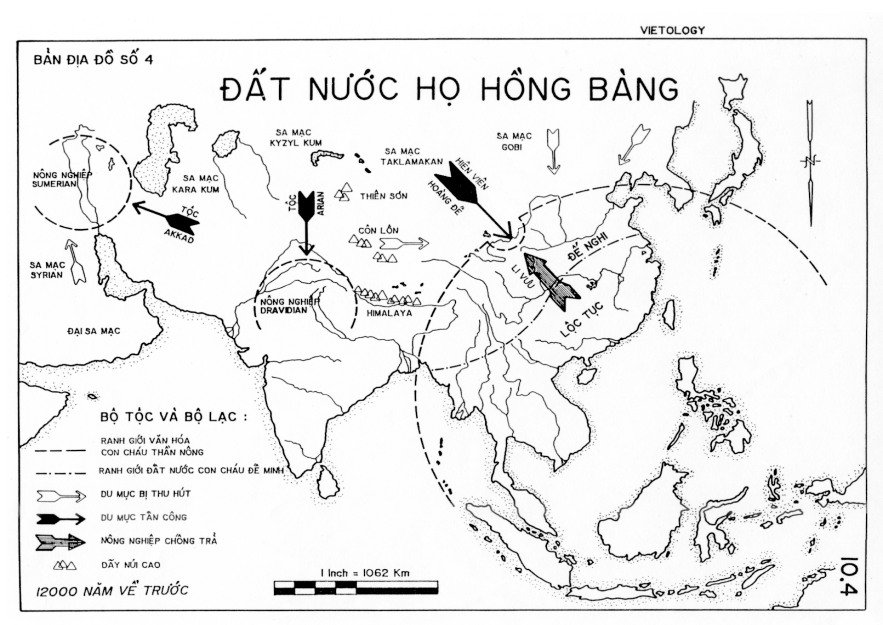


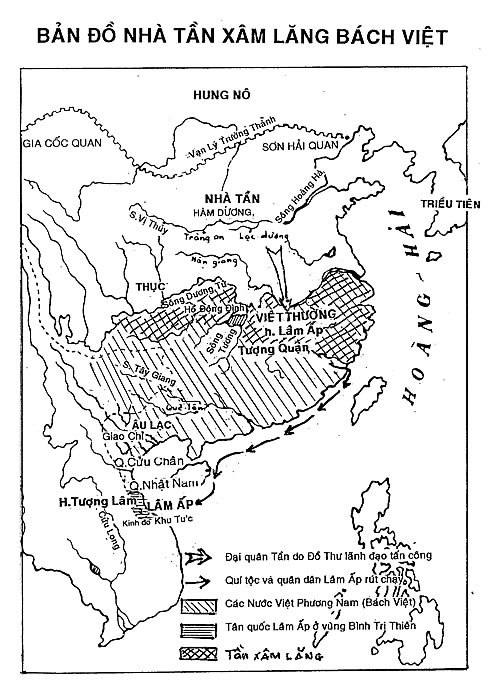
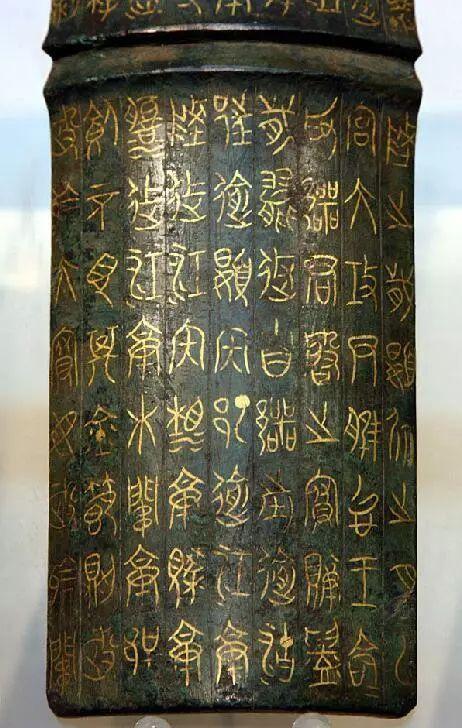

![[]](http://upload.wikimedia.org/wikipedia/commons/thumb/1/1a/Parentesi_Quadre.svg/30px-Parentesi_Quadre.svg.png)


 listen)
.png)
.png)
.png)
.png)


