Trade Routes Of Southeast Asia in old times
Maritime Silk Road Southeast Asia
Con đường Tơ lụa trên biển Đông Nam Á
Hãy chú ý: Thương mại trên Con Đường tơ lụa được gọi là South East Asia, là vì thời đó đường từ Phúc Châu (Hàng Châu và Phúc Kiến tới tới hải cảng Ngọc châu (Quảng Đông,) và Việt Nam (Champa) được gọi là Đông Nam Á
Còn con đường mua ngựa chiến, ngưa thồ (chuyên chở) và ngựa nhà gia súc thì vùng thì Bắc sa mạc tới Bắc Dương Tử, gọi là East Asia "Bắc Mạc tới Trung Nguyên (Bắc Kinh).
Bắc Mạc (北 漠),
Nam hải (南海),
Bắc Mã (北 马) North horse
Nam thuyền (南 船) South boat/ship
Bắc trồng kê, lúa mì (lúa khô)
Nam trồng dâu nuôi tằm, trồng lúa nước
Hình ảnh và bài viết lấy từ một diễn đàn
Maritime Silk Road Southeast Asia
Con đường Tơ lụa trên biển Đông Nam Á
Hãy chú ý: Thương mại trên Con Đường tơ lụa được gọi là South East Asia, là vì thời đó đường từ Phúc Châu (Hàng Châu và Phúc Kiến tới tới hải cảng Ngọc châu (Quảng Đông,) và Việt Nam (Champa) được gọi là Đông Nam Á
Còn con đường mua ngựa chiến, ngưa thồ (chuyên chở) và ngựa nhà gia súc thì vùng thì Bắc sa mạc tới Bắc Dương Tử, gọi là East Asia "Bắc Mạc tới Trung Nguyên (Bắc Kinh).
Bắc Mạc (北 漠),
Nam hải (南海),
Bắc Mã (北 马) North horse
Nam thuyền (南 船) South boat/ship
Bắc trồng kê, lúa mì (lúa khô)
Nam trồng dâu nuôi tằm, trồng lúa nước
Hình ảnh và bài viết lấy từ một diễn đàn
Trade route 1

Trade route 2

Trade route 3

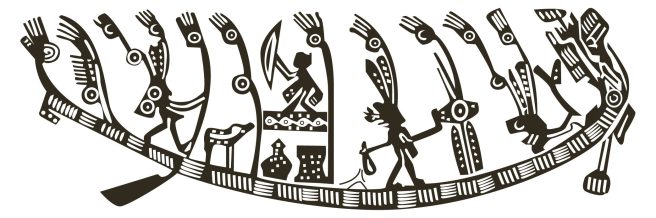
Yue people's boat decoration pattern, from a bronze drum with Xianglu pattern unearthed in Guangxi

Hoa văn trang trí thuyền của người tộc Việt/Yue, từ một chiếc trống đồng có hoa văn Xianglu
2

99

Trade route 2
Trade route 3
Yue people's boat decoration pattern, from a bronze drum with Xianglu pattern unearthed in Guangxi
Hoa văn trang trí thuyền của người tộc Việt/Yue, từ một chiếc trống đồng có hoa văn Xianglu
2
99
Trade Routes Of Southeast Asia
NGADIMIN NOVEMBER 30, 2020
They were named as such because spices such as nutmeg mace and cloves could initially only be found there. And the trade with Manila in the Philippines.
Major Global Trade Routes 1400 1800 China Map Route Map East Africa
Quanzhou The Heart of the Maritime Silk Roads.
Trade routes of southeast asia. Sourcing shift away from China will. The social impact of trade has indeed been profound for Southeast Asia arguably more than in any other region on Earth. The trade with Siam with Tenasserim as the principal port.
The main maritime route started at Guangzhou passed through Southeast Asia the Indian Ocean the Red Sea and then reached Alexandria. A significant feeder went to the Spice Islands Maluku Islands in todays Indonesia. The trade with the Malay peninsula and Sumatra the principal ports of call in the area being Phuket Kedah Perak Malacca and Aceh. Ancient Monastic Hospital System in Sri Lanka. Malaysia is both mainland and insular with a western portion on the. The spice trade was associated with overland routes early on but maritime routes proved to be the factor which helped the trade grow.
This vast international web of routes linked all of those areas as well as East Asia particularly China. This east-west trade flourished in the first four centuries ce but was subject to considerable vicissitudes in later centuries. UCLA Library Guide on Southeast Asia resources guide curated by Southeast Asia Librarian Jade Alburo.
West Coast in 2020 signaling that the US. The rhetoric of co-prosperity and coexistence with southeast Asia Propaganda poster for the Co-Prosperity Sphere featuring different Asian ethnicities. Major container shipping lines will offer more capacity between Southeast Asia and the US.
View the Southeast Asian Studies courselist for a full listing. Each quarter UCLA offers a wide range of courses about Southeast Asia under different departments. This trade consisted essentially of four sub-branches.
Read: Who Will Lakers Trade For
Who travelled on these trade routes. Early Southeast Asian trade routes. To join student organizations view the list of Southeast Asia-related student associations. The trade with Arakan and Pegu. Trade ideas and religion Kerala India 7. They established trade routes with Southern India and Sri Lanka as early as 1500 BC ushering an exchange. However up until the late 1900s and perhaps even beyond in many cases it needs to be remembered that the vast majority of people in the region remained virtually untouched by the influence of trade. Khwarazm Region and the Silk Roads. The Indian Ocean trade routes connected Southeast Asia India Arabia and East Africa beginning at least as early as the third century BCE.
Mongolian Nomadism along the Silk Roads. Tagliacozzo believes that the common narrative of trade on the Silk Road in Asia is too limited explaining that trade routes through the seas are much more emblematic of the majority of the historical trade of cultures people and goods and the contact of various Southeast Asian societies.
In 1599 Spain began to colonise the Philippines.
From the 9th century to the 13th century an important seagoing power were the Cholas. Mainland Southeast Asia is divided into the countries of Cambodia Laos Myanmar Burma Thailand Vietnam and the small city-state of Singapore at the southern tip of the Malay Peninsula. Japan fanned the flames of nationalism in Thailand the Philippines and the Dutch East Indies in the hopes that waning European colonial power would facilitate Japanese expansion.
Feyrer J 2009 Distance trade and income-the 1967 to 1975 closing of the Suez Canal as a natural experiment NBER technical report. The Spread of Buddhism in South and Southeast Asia through the Trade Routes. Traders from different kingdoms of different races 5.
Read: Olymp Trade Scam Or Legit
Diplomats and ambassadors 6. Brunei in the Maritime Silk Roads. The United Nations Conference on Trade and Development UNCTAD estimates that roughly 80 percent of global trade by volume and 70 percent by value is transported by sea.
Of that volume 60 percent of maritime trade passes through Asia with the South China Sea carrying an estimated one-third of global shipping. During that period trade also expanded considerably to Southeast Asia and to China through what are now Malaysia and Cambodia. Southeast Asia Trade Routes 3.
Among notable trade routes was the Amber Road which served as a dependable network for long-distance trade. The Netherlands and Spain followed and soon superseded Portugal as the main European powers in the region. During the same period maritime trade routes developed between kingdoms of Srivijaya Kediri Khmer and Champa.
Maritime trade along the Spice Route became prominent during the Middle Ages when nations resorted to military means for control of this influential route. Another important trade route known as the Incense Route was controlled by the Arabs who brought frankincense and myrrh by camel caravan from South Arabia. Portugal was the first European power to establish a bridgehead on the lucrative maritime Southeast Asia trade route with the conquest of the Sultanate of Malacca in 1511.
Cosar K and B Thomas 2020 The Geopolitics of International Trade in Southeast Asia CEPR Discussion Paper 15414. 1 Its waters are particularly critical for China Taiwan Japan and South Korea. The first true maritime trade network in the Indian Ocean was by the Austronesian peoples of Island Southeast Asia who built the first ocean-going ships.
Cambodia Laos and Vietnam which occupy the eastern portion of the mainland often are collectively called the Indochinese Peninsula. Long before the Europeans imperial ambitions of course were local empires. Ayutthaya 1351-1767 Myanmars Bagan temples 1044-1287 Cambodias Angkor temples 800-1300.
Read: Letter Of Credit In Trade Finance
Cities along these trade routes grew rich providing services to merchants and acting as international marketplaces.
Southeast Asia Historical Atlas Maps Trade Routes And The Influence Of Indian And Chinese Civilizations In South East Asia Until Map Atlas Map Southeast Asia
Map Of Indian Ocean Trade Route Especiarias
Map Of Indian Ocean Trade Routes Indian Ocean Lost City Route Map
Https Www Google Nl Blank Html Historical Maps Ancient Maps Economic Map
Falling Off The Earth Doesn T Mean Much When You Re Looking For Pepper Many Explorers Explored Just To Find Spices The Merchants T Route Map Ancient Maps Map
Trade Routes A D 570 Historical Maps European History Map
Trade Routes From Africa To India And Southeast Asia African Black Israelites Israelites
Pin On Silk Road Central Asia The Middle East And The North West Frontier
Map Of Indian Ocean Trade Routes Indian Ocean Route Map Strait Of Malacca
Ancient Spice Trade Route From South East Asia To Europe Introducing Spices Like Cinnamon Cardamom Star Anise Cumin Pepper Spice Trade Asian History Route
Pin On Information Graphics
Silk Spice Routes Spice Trade History Route
Trade Routes Africa Asia Europe 1500 A D Asian And African Routes Date Back To 200 B C In Many Cases Ap World History History Motives
Map Of Indian Ocean Trade Routes Indian Ocean China Map Maluku Islands
3 Trade Routes And Straits South China Sea South China Sea Map
Trade Routes Of Southeast Asia 12 13th Century Ap World History Asia Map Map
Trading Ports Along The Indian Ocean
Trade Network Along The Great Horn Of Africa Were Influenced By Islam Mos Indian Ocean History Of India Epic Of Gilgamesh
1

2

3

4

Trade Routes Africa Asia Europe 1500 A D Asian And African Routes Date Back To 200 B C In Many Cases Ap World History History Motives
This is a good reply, to be sure, but did you mean to post this as an answer instead of as a comment on mine? It’s just surely more people will see it if it is its own answer.
That requires me to know how, which I don’t!
If you click on the text of the question, there should be a button marked “answer” at the top of the question page.
The Birkenhead drill is a hard thing to do,
What happened to the good Captain Waghorn? Nothing good, I would imagine.
He was court-martialled, acquitted (they thought it had been bad timbers that had sunk the ship, not any wrongdoing), sent to the Mediterranean as captain of a 50-gun ship, then put on half pay when it was paid off in 1785 and he died two years later.
Thanks! Now I know the rest of the story.
I'm very happy to see this on Quora! I used it as an example in my dissertation on the 18th century navy
It would seem that the error was more than a couple of casks of rum. At 2000 tons displacement, the largest cask would be at most 80 US gallons, or about 700 lbs.
Thank you for a very interesting post. Small correction: Richard Kempenfelt - Wikipedia
Thank you for flagging that up, I have corrected it now.
Nusantara is native names of Indonesia today, the term Nusantao may be appropriate in terms of trade network in Southeast Asia.
In the era of Sriwijaya in power, had been a maritime and trading of the largest in Southeast Asia and even the world, in the time of Srivijaya Austronesian language ranging spread widely across the world's, from Madagascar to the Pacific Islands, it's can prove with there is some similarity between the DNA samples of several ethnic groups in Indonesia and Madagascar, Taiwan only spreading some languages.
But who the sailor actually??? You can discover the research by Robert Dick-Read, revealed the fact that Indonesia is a nation of sailors who have long established trade relations in the early beginning of the century AD even more than it, much earlier than the Europeans know Africa about Sahara desert, long before the Arabs and Zhirazi with dhow boat they found exotic cities in Africa, such as Kilwa, Lamu and Zanzibar. Before the influence of Arabs in Swahili, Long before Zheng He and Columbus makes their cruise history is which phenomenal.
That is why there is a song Indonesia with the title : Nenek moyangku seorang pelaut or in English is My ancestors is a sailors, because Indonesia indeed is a maritime nation and a nation of seafarers.
Who are anthropologists?
Anthropologists are peole who study humankind from the perspective in culture. There are generally 4 divisions: cultural anthropology, social anthropology, linguistics, and archaeology. But in fact there are many tangents. The targets of our study lead us in all directions - everywhere that humans go - or have gone before.
These are some anthropologists. All except Margaret Mead, are teachers and colleages, professional anthropologists who have personally influenced my own work and research interests. I have included biographical information so you can see what anthropologists do.
Margaret Mead. Margaret Mead - Cultural Anthropologist. Wikipedia
C. Loring Brace. Physical Anthropologist.Bringing Physical Anthropology ("Kicking and Screaming") Into the 21st Century!
James Deetz. Archaeologist. James Deetz - Wikipedia
Dr. Chris Peebles. Archaeologist. About the Peebles Memorial Lectures in Information Technology
Dr. Vernon James Knight. Archaeologist. Vernon James Knight
Dr. David Brokensha. African Studies. UCSB.
Lokesh Venkatesh
Managing Director at Parashuram Trading (2020–present)Updated 2y
Related
What is the maritime history of Tamilians?
From 5th century BCE to 3rd, there are reliable accounts in Greek and Roman literature, around the dawn of the Christian, giving details of the maritime trade between Tamilakam and the Roman Era, including the names and locations of many ports on both coasts of the Tamil country.
The Tamil Brahmi script in the terracotta weight holder retrieved during a exploration at Thadagam in Coimbatore.
Potsherd with Tamil-Brahmi script found in Oman
Also to add on, Bodhidharma during the 5th or 6th century reached China to teach Shoalin( Kung Fu)
Bodhisena (704–760) settled in Japan to teach Kegon (Music & Dance )
Both were from Pallavas dynasty
Did they walk to be reach the countries, practically it would be almost couples of decades to do it, almost impossible.
All the images are credited to Google
Best of all, Gangaikonda Chola Rajendra 1 of Cholas had shown his supremacy in 9th century in South East Asian countries like SriLanka, Vietnam, Cambodia, Thailand, Malay peninsula resulting in building many temples including Angkor Wat ( World largest Religious Monument)
Based on above incidents records, these are possible via maritime only.
Do we know our history in detailed and compiled way?
These are few instances which I know, anything in detail from a professional will be more convenient to visualize our ancient generation abilities.
Does anyone willing to take the lead?
Any scope of improvement in my writing, its always welcome.
Regards,
Lokesh Venkatesh
Related
Maritime Piracy: Who were the most legendary pirates in history?
Originally Answered: Who were the most legendary pirates in history?
Barbarossa (Red Beard) later became the admiral in chief of the Ottoman Navy.
Barbarossa's naval victories secured Ottoman dominance over the Mediterranean during the mid 16th century. He was based in Tunis.
Hayreddin Barbarossa
Battle of Preveza
Barborassa was the first of many to come privateers in 15th-16th century in Mediterranean fighting against the Spanish, Venetians, Geneoise and against other pirates (Knights of Malta, Knights Hospitaller ...).
Turgut Reis
Kemal Reis
Uluç Ali Reis
Kurtoğlu Hızır Reis
Seydi Ali Reis
Salih Reis
I strongly recommend Roger Crowley's two excellent books drawing a detailed picture of Mediteranean at the time...
How Venice Won and Lost a Naval Empire: Amazon.co.uk: Roger Crowley: Books
The Final Battle for the Mediterranean, 1521-1580: Amazon.co.uk: Roger Crowley: Books
Related
How risky was maritime trade during antiquity?
Maritime trade during the early periods would have been the most risky job. Ship wrecked sailors stories are numerous in world literatures. Navigators life is uncertain. That is why the ancient Tamil grammarian Tholkaappiyar and his predecessors gave the name Neithal (land) to the sea shore area. நெய்தல் திணை Neithal ThiNai refers to the grievances and separation caused by the occupation of the people living on the coast line. women folks’ lonely life experiences are narrated by the Tamil academy poets 200BCE in ancient Tamil literature. They worshiped the sea God erecting the saw like teeth of vaal curaa வாள் சுறா fish and requested the God to save the life their husbands.
There is a folk saying in Tamil: கப்பல்காரன் பெண்டாட்டி தொப்பைக்காரி, கப்பல் கவிழ்ந்து போனால் பிச்சைக்காரி - means, the wife of the ship owner is a big bellied rich woman. She becomes a street beggar if the ship drowned in the sea.
This weird trick eradicates toilet stains!
Splash cleaner will foam up and break down stains so you don't have to hand clean a toilet ever again!
Related
How was India before Islam?
Title: A Glimpse into Pre-Islamic India: A Tapestry of Diversity and Richness.
Introduction:
India, a land steeped in history, culture, and tradition, has witnessed the influence of numerous religions and civilizations. Before the advent of Islam, India's tapestry was woven with a multitude of indigenous cultures, religions, and dynasties. From ancient civilizations such as the Indus Valley Civilization to the mighty Gupta Empire, India's pre-Islamic era was a vibrant mosaic of diversity and intellectual pursuit.
Cultural Heritage:
During this time, India was home to several great empires, each leaving an indelible mark on the country's cultural and architectural landscape. The Mauryan Empire, under the reign of Emperor Ashoka, embraced Buddhism and fostered a period of peace and religious tolerance. The Gupta Empire is hailed as India's golden age, where arts, literature, and sciences flourished, producing remarkable achievements in mathematics, astronomy, and literature. Religious Pluralism:
India's religious landscape before Islam was marked by pluralism, with Hinduism being the dominant religion. The Bhakti and Shaivism movements gained prominence, emphasizing personal devotion to deities. Jainism and Buddhism also flourished, advocating non-violence, enlightenment, and spiritual awakening. The influence of Zoroastrianism and Judaism can also be traced to ancient India, showcasing the country's welcoming nature towards diverse faiths.
Trade and Exchange:
Pre-Islamic India was a thriving center of trade and commerce. The Silk Road facilitated trade between India, Central Asia, and the Mediterranean. Indian goods, including spices, textiles, and precious stones, were coveted by merchants from afar. Trade routes also facilitated cultural exchange, allowing the spread of ideas, philosophies, and knowledge.
Conclusion:
India before the advent of Islam was a kaleidoscope of civilizations, faiths, and cultural exchanges. The land witnessed remarkable advancements, artistic achievements, and the coexistence of diverse religious beliefs. It serves as a reminder of the country's innate ability to embrace pluralism and nurture a rich tapestry of traditions. Exploring India's pre-Islamic history not only provides insights into its past but also deepens our understanding of the roots that have shaped the nation's identity.
Related
How seriously is the Xiongnu = Huns theory taken? What implications does it have for Eurasian history?
Huns are mixed ethnic group between Asian Xioungnu(Hyung-no in Korean) and Scythians. When Chinese Han dynasty started to press Xioungnu who resided northern area of current China, roughly, half of Xioungnu went to west direction and met Scythians and some fused. The child ethnic groups was Huns.
Scythians were mainly lived in western part of Ural mountains, but some of them were residing in the Central Asia. It was current Uzbekhistan and Kazakhstan. In 201 In 2019, Kazakh people made a film which depicted a Scythian queen’s story.
The Legend of Tomiris (2019) - IMDb
The Legend of Tomiris: Directed by Akan Satayev. With Ghassan Massoud, Eduardo Minett, Aizhan Lighg, Yerden Telemissov. This is the story of the life of the great queen of of the steppe - legendary Tomiris. She is destined to become a skillful warrior, survive the loss of close people and unite the Scythian/Saka tribes under her authority.
https://www.imdb.com/title/tt7985648/
In the movie, Scythian queen who was raised in Kazakhastan won over Emperor of Achaemenid. It is real story, recorded by Herodotus.
Kazakhstan is not a country who would be ridiculed for comedy films. They are people with a important ancient history. Inventors of first chariots in human history were Scythians. The Mesopotamians we know well learned about chariots from them.
Now, it doesn’t mean that all scythians became huns - could have been 10–20%, and not necessary the tribes represented in the movie. For me, the movie has dubious historical value, since it shows the scythians as mongoloids, while not even all turkic agree their ancestor were. But it has two wonderful merits in case it would become credible, in that will put the romanians in a true dilemma - either stop grabbing other people’s heritage or accept that their “ancestors” were of another race and so are they. Way to go, Kazakhstan! Huns were something else, but I won’t load this space since you have the opposite interests and that might raise unnecessary polemics.
“it doesn’t mean that all scythians became huns”
Just because the understanding about ancient history of Central Asian is too thin by now among people, I have written it roughly.
Showing your view is always welcome. It seems that debate (in constructive sense) is needed.
9, Kazakh people made a film which depicted a Scythian queen’s story.
What is the Nusantao Maritime Trading Network, and what are its implications to the current predominant theory of pre-history? - Quora
Trade Routes Of Southeast Asia
NGADIMIN NOVEMBER 30, 2020
They were named as such because spices such as nutmeg mace and cloves could initially only be found there. And the trade with Manila in the Philippines. Major Global Trade Routes 1400 1800 China Map Route Map East Africa
Quanzhou The Heart of the Maritime Silk Roads.
Trade routes of southeast asia. Sourcing shift away from China will. The social impact of trade has indeed been profound for Southeast Asia arguably more than in any other region on Earth. The trade with Siam with Tenasserim as the principal port.
The main maritime route started at Guangzhou passed through Southeast Asia the Indian Ocean the Red Sea and then reached Alexandria. A significant feeder went to the Spice Islands Maluku Islands in todays Indonesia. The trade with the Malay peninsula and Sumatra the principal ports of call in the area being Phuket Kedah Perak Malacca and Aceh. Ancient Monastic Hospital System in Sri Lanka. Malaysia is both mainland and insular with a western portion on the. The spice trade was associated with overland routes early on but maritime routes proved to be the factor which helped the trade grow.
This vast international web of routes linked all of those areas as well as East Asia particularly China. This east-west trade flourished in the first four centuries ce but was subject to considerable vicissitudes in later centuries. UCLA Library Guide on Southeast Asia resources guide curated by Southeast Asia Librarian Jade Alburo.
West Coast in 2020 signaling that the US. The rhetoric of co-prosperity and coexistence with southeast Asia Propaganda poster for the Co-Prosperity Sphere featuring different Asian ethnicities. Major container shipping lines will offer more capacity between Southeast Asia and the US.
View the Southeast Asian Studies courselist for a full listing. Each quarter UCLA offers a wide range of courses about Southeast Asia under different departments. This trade consisted essentially of four sub-branches.
Read: Who Will Lakers Trade For
Who travelled on these trade routes. Early Southeast Asian trade routes. To join student organizations view the list of Southeast Asia-related student associations. The trade with Arakan and Pegu. Trade ideas and religion Kerala India 7. They established trade routes with Southern India and Sri Lanka as early as 1500 BC ushering an exchange.
However up until the late 1900s and perhaps even beyond in many cases it needs to be remembered that the vast majority of people in the region remained virtually untouched by the influence of trade. Khwarazm Region and the Silk Roads. The Indian Ocean trade routes connected Southeast Asia India Arabia and East Africa beginning at least as early as the third century BCE.
Mongolian Nomadism along the Silk Roads. Tagliacozzo believes that the common narrative of trade on the Silk Road in Asia is too limited explaining that trade routes through the seas are much more emblematic of the majority of the historical trade of cultures people and goods and the contact of various Southeast Asian societies. In 1599 Spain began to colonise the Philippines.
From the 9th century to the 13th century an important seagoing power were the Cholas. Mainland Southeast Asia is divided into the countries of Cambodia Laos Myanmar Burma Thailand Vietnam and the small city-state of Singapore at the southern tip of the Malay Peninsula. Japan fanned the flames of nationalism in Thailand the Philippines and the Dutch East Indies in the hopes that waning European colonial power would facilitate Japanese expansion.
Feyrer J 2009 Distance trade and income-the 1967 to 1975 closing of the Suez Canal as a natural experiment NBER technical report. The Spread of Buddhism in South and Southeast Asia through the Trade Routes. Traders from different kingdoms of different races 5.
Read: Olymp Trade Scam Or Legit
Diplomats and ambassadors 6. Brunei in the Maritime Silk Roads. The United Nations Conference on Trade and Development UNCTAD estimates that roughly 80 percent of global trade by volume and 70 percent by value is transported by sea.
Of that volume 60 percent of maritime trade passes through Asia with the South China Sea carrying an estimated one-third of global shipping. During that period trade also expanded considerably to Southeast Asia and to China through what are now Malaysia and Cambodia. Southeast Asia Trade Routes 3.
Among notable trade routes was the Amber Road which served as a dependable network for long-distance trade. The Netherlands and Spain followed and soon superseded Portugal as the main European powers in the region. During the same period maritime trade routes developed between kingdoms of Srivijaya Kediri Khmer and Champa.
Maritime trade along the Spice Route became prominent during the Middle Ages when nations resorted to military means for control of this influential route. Another important trade route known as the Incense Route was controlled by the Arabs who brought frankincense and myrrh by camel caravan from South Arabia. Portugal was the first European power to establish a bridgehead on the lucrative maritime Southeast Asia trade route with the conquest of the Sultanate of Malacca in 1511.
Cosar K and B Thomas 2020 The Geopolitics of International Trade in Southeast Asia CEPR Discussion Paper 15414. 1 Its waters are particularly critical for China Taiwan Japan and South Korea. The first true maritime trade network in the Indian Ocean was by the Austronesian peoples of Island Southeast Asia who built the first ocean-going ships.
Cambodia Laos and Vietnam which occupy the eastern portion of the mainland often are collectively called the Indochinese Peninsula. Long before the Europeans imperial ambitions of course were local empires. Ayutthaya 1351-1767 Myanmars Bagan temples 1044-1287 Cambodias Angkor temples 800-1300.
Read: Letter Of Credit In Trade Finance
Cities along these trade routes grew rich providing services to merchants and acting as international marketplaces.
Chapter 7 Chapter Historical Asia
Southeast Asia Historical Atlas Maps Trade Routes And The Influence Of Indian And Chinese Civilizations In South East Asia Until Map Atlas Map Southeast Asia
Map Of Indian Ocean Trade Route Especiarias
Map Of Indian Ocean Trade Routes Indian Ocean Lost City Route Map
Https Www Google Nl Blank Html Historical Maps Ancient Maps Economic Map
Falling Off The Earth Doesn T Mean Much When You Re Looking For Pepper Many Explorers Explored Just To Find Spices The Merchants T Route Map Ancient Maps Map.
Trade Routes A D 570 Historical Maps European History Map
Trade Routes From Africa To India And Southeast Asia African Black Israelites Israelites
Pin On Silk Road Central Asia The Middle East And The North West Frontier
Map Of Indian Ocean Trade Routes Indian Ocean Route Map Strait Of Malacca
Ancient Spice Trade Route From South East Asia To Europe Introducing Spices Like Cinnamon Cardamom Star Anise Cumin Pepper Spice Trade Asian History Route
Pin On Information Graphics
Silk Spice Routes Spice Trade History Route
Trade Routes Africa Asia Europe 1500 A D
Asian And African Routes Date Back To 200 B C
In Many Cases Ap World History History Motives
Map Of Indian Ocean Trade Routes Indian Ocean China Map Maluku Islands
3 Trade Routes And Straits South China Sea South China Sea Map
Trade Routes Of Southeast Asia 12 13th Century Ap World History Asia Map Map Trading Ports Along The Indian Ocean Trade Network Along The Great Horn Of Africa Were Influenced By Islam Mos Indian Ocean History Of India Epic Of Gilgamesh
Trade Routes Africa Asia Europe 1500 A D Asian And African Routes Date Back To 200 B C In Many Cases Ap World History History Motives
Option Trader (2019–present) 3y
What is the difference between pre-history and proto-history?
It’s the period between prehistory and recorded history. In the prehistoric era, there was virtually no human culture and no written records. Proto-history is marked by the earliest beginnings of human civilization where people started using symbols like cave art and sculpture, but they did not have any writing systems yet.
Related
What is an advantage of maritime trade?
World's 80–95% of goods are carried by sea. Ecoomies of scale is a big factor in transportation as well as business.
Maritime trade eliminates the barriers created by sea and oceans thereby facilitating trade between different continents.
05

22

33

44
NGADIMIN NOVEMBER 30, 2020
They were named as such because spices such as nutmeg mace and cloves could initially only be found there. And the trade with Manila in the Philippines.
Major Global Trade Routes 1400 1800 China Map Route Map East Africa
Quanzhou The Heart of the Maritime Silk Roads.
Trade routes of southeast asia. Sourcing shift away from China will. The social impact of trade has indeed been profound for Southeast Asia arguably more than in any other region on Earth. The trade with Siam with Tenasserim as the principal port.
The main maritime route started at Guangzhou passed through Southeast Asia the Indian Ocean the Red Sea and then reached Alexandria. A significant feeder went to the Spice Islands Maluku Islands in todays Indonesia. The trade with the Malay peninsula and Sumatra the principal ports of call in the area being Phuket Kedah Perak Malacca and Aceh. Ancient Monastic Hospital System in Sri Lanka. Malaysia is both mainland and insular with a western portion on the. The spice trade was associated with overland routes early on but maritime routes proved to be the factor which helped the trade grow.
This vast international web of routes linked all of those areas as well as East Asia particularly China. This east-west trade flourished in the first four centuries ce but was subject to considerable vicissitudes in later centuries. UCLA Library Guide on Southeast Asia resources guide curated by Southeast Asia Librarian Jade Alburo.
West Coast in 2020 signaling that the US. The rhetoric of co-prosperity and coexistence with southeast Asia Propaganda poster for the Co-Prosperity Sphere featuring different Asian ethnicities. Major container shipping lines will offer more capacity between Southeast Asia and the US.
View the Southeast Asian Studies courselist for a full listing. Each quarter UCLA offers a wide range of courses about Southeast Asia under different departments. This trade consisted essentially of four sub-branches.
Read: Who Will Lakers Trade For
Who travelled on these trade routes. Early Southeast Asian trade routes. To join student organizations view the list of Southeast Asia-related student associations. The trade with Arakan and Pegu. Trade ideas and religion Kerala India 7. They established trade routes with Southern India and Sri Lanka as early as 1500 BC ushering an exchange. However up until the late 1900s and perhaps even beyond in many cases it needs to be remembered that the vast majority of people in the region remained virtually untouched by the influence of trade. Khwarazm Region and the Silk Roads. The Indian Ocean trade routes connected Southeast Asia India Arabia and East Africa beginning at least as early as the third century BCE.
Mongolian Nomadism along the Silk Roads. Tagliacozzo believes that the common narrative of trade on the Silk Road in Asia is too limited explaining that trade routes through the seas are much more emblematic of the majority of the historical trade of cultures people and goods and the contact of various Southeast Asian societies.
In 1599 Spain began to colonise the Philippines.
From the 9th century to the 13th century an important seagoing power were the Cholas. Mainland Southeast Asia is divided into the countries of Cambodia Laos Myanmar Burma Thailand Vietnam and the small city-state of Singapore at the southern tip of the Malay Peninsula. Japan fanned the flames of nationalism in Thailand the Philippines and the Dutch East Indies in the hopes that waning European colonial power would facilitate Japanese expansion.
Feyrer J 2009 Distance trade and income-the 1967 to 1975 closing of the Suez Canal as a natural experiment NBER technical report. The Spread of Buddhism in South and Southeast Asia through the Trade Routes. Traders from different kingdoms of different races 5.
Read: Olymp Trade Scam Or Legit
Diplomats and ambassadors 6. Brunei in the Maritime Silk Roads. The United Nations Conference on Trade and Development UNCTAD estimates that roughly 80 percent of global trade by volume and 70 percent by value is transported by sea.
Of that volume 60 percent of maritime trade passes through Asia with the South China Sea carrying an estimated one-third of global shipping. During that period trade also expanded considerably to Southeast Asia and to China through what are now Malaysia and Cambodia. Southeast Asia Trade Routes 3.
Among notable trade routes was the Amber Road which served as a dependable network for long-distance trade. The Netherlands and Spain followed and soon superseded Portugal as the main European powers in the region. During the same period maritime trade routes developed between kingdoms of Srivijaya Kediri Khmer and Champa.
Maritime trade along the Spice Route became prominent during the Middle Ages when nations resorted to military means for control of this influential route. Another important trade route known as the Incense Route was controlled by the Arabs who brought frankincense and myrrh by camel caravan from South Arabia. Portugal was the first European power to establish a bridgehead on the lucrative maritime Southeast Asia trade route with the conquest of the Sultanate of Malacca in 1511.
Cosar K and B Thomas 2020 The Geopolitics of International Trade in Southeast Asia CEPR Discussion Paper 15414. 1 Its waters are particularly critical for China Taiwan Japan and South Korea. The first true maritime trade network in the Indian Ocean was by the Austronesian peoples of Island Southeast Asia who built the first ocean-going ships.
Cambodia Laos and Vietnam which occupy the eastern portion of the mainland often are collectively called the Indochinese Peninsula. Long before the Europeans imperial ambitions of course were local empires. Ayutthaya 1351-1767 Myanmars Bagan temples 1044-1287 Cambodias Angkor temples 800-1300.
Read: Letter Of Credit In Trade Finance
Cities along these trade routes grew rich providing services to merchants and acting as international marketplaces.
Southeast Asia Historical Atlas Maps Trade Routes And The Influence Of Indian And Chinese Civilizations In South East Asia Until Map Atlas Map Southeast Asia
Map Of Indian Ocean Trade Route Especiarias
Map Of Indian Ocean Trade Routes Indian Ocean Lost City Route Map
Https Www Google Nl Blank Html Historical Maps Ancient Maps Economic Map
Falling Off The Earth Doesn T Mean Much When You Re Looking For Pepper Many Explorers Explored Just To Find Spices The Merchants T Route Map Ancient Maps Map
Trade Routes A D 570 Historical Maps European History Map
Trade Routes From Africa To India And Southeast Asia African Black Israelites Israelites
Pin On Silk Road Central Asia The Middle East And The North West Frontier
Map Of Indian Ocean Trade Routes Indian Ocean Route Map Strait Of Malacca
Ancient Spice Trade Route From South East Asia To Europe Introducing Spices Like Cinnamon Cardamom Star Anise Cumin Pepper Spice Trade Asian History Route
Pin On Information Graphics
Silk Spice Routes Spice Trade History Route
Trade Routes Africa Asia Europe 1500 A D Asian And African Routes Date Back To 200 B C In Many Cases Ap World History History Motives
Map Of Indian Ocean Trade Routes Indian Ocean China Map Maluku Islands
3 Trade Routes And Straits South China Sea South China Sea Map
Trade Routes Of Southeast Asia 12 13th Century Ap World History Asia Map Map
Trading Ports Along The Indian Ocean
Trade Network Along The Great Horn Of Africa Were Influenced By Islam Mos Indian Ocean History Of India Epic Of Gilgamesh
1
2
3
4
Trade Routes Africa Asia Europe 1500 A D Asian And African Routes Date Back To 200 B C In Many Cases Ap World History History Motives
This is a good reply, to be sure, but did you mean to post this as an answer instead of as a comment on mine? It’s just surely more people will see it if it is its own answer.
That requires me to know how, which I don’t!
If you click on the text of the question, there should be a button marked “answer” at the top of the question page.
The Birkenhead drill is a hard thing to do,
What happened to the good Captain Waghorn? Nothing good, I would imagine.
He was court-martialled, acquitted (they thought it had been bad timbers that had sunk the ship, not any wrongdoing), sent to the Mediterranean as captain of a 50-gun ship, then put on half pay when it was paid off in 1785 and he died two years later.
Thanks! Now I know the rest of the story.
I'm very happy to see this on Quora! I used it as an example in my dissertation on the 18th century navy
It would seem that the error was more than a couple of casks of rum. At 2000 tons displacement, the largest cask would be at most 80 US gallons, or about 700 lbs.
Thank you for a very interesting post. Small correction: Richard Kempenfelt - Wikipedia
Thank you for flagging that up, I have corrected it now.
Nusantara is native names of Indonesia today, the term Nusantao may be appropriate in terms of trade network in Southeast Asia.
In the era of Sriwijaya in power, had been a maritime and trading of the largest in Southeast Asia and even the world, in the time of Srivijaya Austronesian language ranging spread widely across the world's, from Madagascar to the Pacific Islands, it's can prove with there is some similarity between the DNA samples of several ethnic groups in Indonesia and Madagascar, Taiwan only spreading some languages.
But who the sailor actually??? You can discover the research by Robert Dick-Read, revealed the fact that Indonesia is a nation of sailors who have long established trade relations in the early beginning of the century AD even more than it, much earlier than the Europeans know Africa about Sahara desert, long before the Arabs and Zhirazi with dhow boat they found exotic cities in Africa, such as Kilwa, Lamu and Zanzibar. Before the influence of Arabs in Swahili, Long before Zheng He and Columbus makes their cruise history is which phenomenal.
That is why there is a song Indonesia with the title : Nenek moyangku seorang pelaut or in English is My ancestors is a sailors, because Indonesia indeed is a maritime nation and a nation of seafarers.
Who are anthropologists?
Anthropologists are peole who study humankind from the perspective in culture. There are generally 4 divisions: cultural anthropology, social anthropology, linguistics, and archaeology. But in fact there are many tangents. The targets of our study lead us in all directions - everywhere that humans go - or have gone before.
These are some anthropologists. All except Margaret Mead, are teachers and colleages, professional anthropologists who have personally influenced my own work and research interests. I have included biographical information so you can see what anthropologists do.
Margaret Mead. Margaret Mead - Cultural Anthropologist. Wikipedia
C. Loring Brace. Physical Anthropologist.Bringing Physical Anthropology ("Kicking and Screaming") Into the 21st Century!
James Deetz. Archaeologist. James Deetz - Wikipedia
Dr. Chris Peebles. Archaeologist. About the Peebles Memorial Lectures in Information Technology
Dr. Vernon James Knight. Archaeologist. Vernon James Knight
Dr. David Brokensha. African Studies. UCSB.
Lokesh Venkatesh
Managing Director at Parashuram Trading (2020–present)Updated 2y
Related
What is the maritime history of Tamilians?
From 5th century BCE to 3rd, there are reliable accounts in Greek and Roman literature, around the dawn of the Christian, giving details of the maritime trade between Tamilakam and the Roman Era, including the names and locations of many ports on both coasts of the Tamil country.
The Tamil Brahmi script in the terracotta weight holder retrieved during a exploration at Thadagam in Coimbatore.
Potsherd with Tamil-Brahmi script found in Oman
Also to add on, Bodhidharma during the 5th or 6th century reached China to teach Shoalin( Kung Fu)
Bodhisena (704–760) settled in Japan to teach Kegon (Music & Dance )
Both were from Pallavas dynasty
Did they walk to be reach the countries, practically it would be almost couples of decades to do it, almost impossible.
All the images are credited to Google
Best of all, Gangaikonda Chola Rajendra 1 of Cholas had shown his supremacy in 9th century in South East Asian countries like SriLanka, Vietnam, Cambodia, Thailand, Malay peninsula resulting in building many temples including Angkor Wat ( World largest Religious Monument)
Based on above incidents records, these are possible via maritime only.
Do we know our history in detailed and compiled way?
These are few instances which I know, anything in detail from a professional will be more convenient to visualize our ancient generation abilities.
Does anyone willing to take the lead?
Any scope of improvement in my writing, its always welcome.
Regards,
Lokesh Venkatesh
Related
Maritime Piracy: Who were the most legendary pirates in history?
Originally Answered: Who were the most legendary pirates in history?
Barbarossa (Red Beard) later became the admiral in chief of the Ottoman Navy.
Barbarossa's naval victories secured Ottoman dominance over the Mediterranean during the mid 16th century. He was based in Tunis.
Hayreddin Barbarossa
Battle of Preveza
Barborassa was the first of many to come privateers in 15th-16th century in Mediterranean fighting against the Spanish, Venetians, Geneoise and against other pirates (Knights of Malta, Knights Hospitaller ...).
Turgut Reis
Kemal Reis
Uluç Ali Reis
Kurtoğlu Hızır Reis
Seydi Ali Reis
Salih Reis
I strongly recommend Roger Crowley's two excellent books drawing a detailed picture of Mediteranean at the time...
How Venice Won and Lost a Naval Empire: Amazon.co.uk: Roger Crowley: Books
The Final Battle for the Mediterranean, 1521-1580: Amazon.co.uk: Roger Crowley: Books
Related
How risky was maritime trade during antiquity?
Maritime trade during the early periods would have been the most risky job. Ship wrecked sailors stories are numerous in world literatures. Navigators life is uncertain. That is why the ancient Tamil grammarian Tholkaappiyar and his predecessors gave the name Neithal (land) to the sea shore area. நெய்தல் திணை Neithal ThiNai refers to the grievances and separation caused by the occupation of the people living on the coast line. women folks’ lonely life experiences are narrated by the Tamil academy poets 200BCE in ancient Tamil literature. They worshiped the sea God erecting the saw like teeth of vaal curaa வாள் சுறா fish and requested the God to save the life their husbands.
There is a folk saying in Tamil: கப்பல்காரன் பெண்டாட்டி தொப்பைக்காரி, கப்பல் கவிழ்ந்து போனால் பிச்சைக்காரி - means, the wife of the ship owner is a big bellied rich woman. She becomes a street beggar if the ship drowned in the sea.
This weird trick eradicates toilet stains!
Splash cleaner will foam up and break down stains so you don't have to hand clean a toilet ever again!
Related
How was India before Islam?
Title: A Glimpse into Pre-Islamic India: A Tapestry of Diversity and Richness.
Introduction:
India, a land steeped in history, culture, and tradition, has witnessed the influence of numerous religions and civilizations. Before the advent of Islam, India's tapestry was woven with a multitude of indigenous cultures, religions, and dynasties. From ancient civilizations such as the Indus Valley Civilization to the mighty Gupta Empire, India's pre-Islamic era was a vibrant mosaic of diversity and intellectual pursuit.
Cultural Heritage:
During this time, India was home to several great empires, each leaving an indelible mark on the country's cultural and architectural landscape. The Mauryan Empire, under the reign of Emperor Ashoka, embraced Buddhism and fostered a period of peace and religious tolerance. The Gupta Empire is hailed as India's golden age, where arts, literature, and sciences flourished, producing remarkable achievements in mathematics, astronomy, and literature. Religious Pluralism:
India's religious landscape before Islam was marked by pluralism, with Hinduism being the dominant religion. The Bhakti and Shaivism movements gained prominence, emphasizing personal devotion to deities. Jainism and Buddhism also flourished, advocating non-violence, enlightenment, and spiritual awakening. The influence of Zoroastrianism and Judaism can also be traced to ancient India, showcasing the country's welcoming nature towards diverse faiths.
Trade and Exchange:
Pre-Islamic India was a thriving center of trade and commerce. The Silk Road facilitated trade between India, Central Asia, and the Mediterranean. Indian goods, including spices, textiles, and precious stones, were coveted by merchants from afar. Trade routes also facilitated cultural exchange, allowing the spread of ideas, philosophies, and knowledge.
Conclusion:
India before the advent of Islam was a kaleidoscope of civilizations, faiths, and cultural exchanges. The land witnessed remarkable advancements, artistic achievements, and the coexistence of diverse religious beliefs. It serves as a reminder of the country's innate ability to embrace pluralism and nurture a rich tapestry of traditions. Exploring India's pre-Islamic history not only provides insights into its past but also deepens our understanding of the roots that have shaped the nation's identity.
Related
How seriously is the Xiongnu = Huns theory taken? What implications does it have for Eurasian history?
Huns are mixed ethnic group between Asian Xioungnu(Hyung-no in Korean) and Scythians. When Chinese Han dynasty started to press Xioungnu who resided northern area of current China, roughly, half of Xioungnu went to west direction and met Scythians and some fused. The child ethnic groups was Huns.
Scythians were mainly lived in western part of Ural mountains, but some of them were residing in the Central Asia. It was current Uzbekhistan and Kazakhstan. In 201 In 2019, Kazakh people made a film which depicted a Scythian queen’s story.
The Legend of Tomiris (2019) - IMDb
The Legend of Tomiris: Directed by Akan Satayev. With Ghassan Massoud, Eduardo Minett, Aizhan Lighg, Yerden Telemissov. This is the story of the life of the great queen of of the steppe - legendary Tomiris. She is destined to become a skillful warrior, survive the loss of close people and unite the Scythian/Saka tribes under her authority.
https://www.imdb.com/title/tt7985648/
In the movie, Scythian queen who was raised in Kazakhastan won over Emperor of Achaemenid. It is real story, recorded by Herodotus.
Kazakhstan is not a country who would be ridiculed for comedy films. They are people with a important ancient history. Inventors of first chariots in human history were Scythians. The Mesopotamians we know well learned about chariots from them.
Now, it doesn’t mean that all scythians became huns - could have been 10–20%, and not necessary the tribes represented in the movie. For me, the movie has dubious historical value, since it shows the scythians as mongoloids, while not even all turkic agree their ancestor were. But it has two wonderful merits in case it would become credible, in that will put the romanians in a true dilemma - either stop grabbing other people’s heritage or accept that their “ancestors” were of another race and so are they. Way to go, Kazakhstan! Huns were something else, but I won’t load this space since you have the opposite interests and that might raise unnecessary polemics.
“it doesn’t mean that all scythians became huns”
Just because the understanding about ancient history of Central Asian is too thin by now among people, I have written it roughly.
Showing your view is always welcome. It seems that debate (in constructive sense) is needed.
9, Kazakh people made a film which depicted a Scythian queen’s story.
What is the Nusantao Maritime Trading Network, and what are its implications to the current predominant theory of pre-history? - Quora
Trade Routes Of Southeast Asia
NGADIMIN NOVEMBER 30, 2020
They were named as such because spices such as nutmeg mace and cloves could initially only be found there. And the trade with Manila in the Philippines. Major Global Trade Routes 1400 1800 China Map Route Map East Africa
Quanzhou The Heart of the Maritime Silk Roads.
Trade routes of southeast asia. Sourcing shift away from China will. The social impact of trade has indeed been profound for Southeast Asia arguably more than in any other region on Earth. The trade with Siam with Tenasserim as the principal port.
The main maritime route started at Guangzhou passed through Southeast Asia the Indian Ocean the Red Sea and then reached Alexandria. A significant feeder went to the Spice Islands Maluku Islands in todays Indonesia. The trade with the Malay peninsula and Sumatra the principal ports of call in the area being Phuket Kedah Perak Malacca and Aceh. Ancient Monastic Hospital System in Sri Lanka. Malaysia is both mainland and insular with a western portion on the. The spice trade was associated with overland routes early on but maritime routes proved to be the factor which helped the trade grow.
This vast international web of routes linked all of those areas as well as East Asia particularly China. This east-west trade flourished in the first four centuries ce but was subject to considerable vicissitudes in later centuries. UCLA Library Guide on Southeast Asia resources guide curated by Southeast Asia Librarian Jade Alburo.
West Coast in 2020 signaling that the US. The rhetoric of co-prosperity and coexistence with southeast Asia Propaganda poster for the Co-Prosperity Sphere featuring different Asian ethnicities. Major container shipping lines will offer more capacity between Southeast Asia and the US.
View the Southeast Asian Studies courselist for a full listing. Each quarter UCLA offers a wide range of courses about Southeast Asia under different departments. This trade consisted essentially of four sub-branches.
Read: Who Will Lakers Trade For
Who travelled on these trade routes. Early Southeast Asian trade routes. To join student organizations view the list of Southeast Asia-related student associations. The trade with Arakan and Pegu. Trade ideas and religion Kerala India 7. They established trade routes with Southern India and Sri Lanka as early as 1500 BC ushering an exchange.
However up until the late 1900s and perhaps even beyond in many cases it needs to be remembered that the vast majority of people in the region remained virtually untouched by the influence of trade. Khwarazm Region and the Silk Roads. The Indian Ocean trade routes connected Southeast Asia India Arabia and East Africa beginning at least as early as the third century BCE.
Mongolian Nomadism along the Silk Roads. Tagliacozzo believes that the common narrative of trade on the Silk Road in Asia is too limited explaining that trade routes through the seas are much more emblematic of the majority of the historical trade of cultures people and goods and the contact of various Southeast Asian societies. In 1599 Spain began to colonise the Philippines.
From the 9th century to the 13th century an important seagoing power were the Cholas. Mainland Southeast Asia is divided into the countries of Cambodia Laos Myanmar Burma Thailand Vietnam and the small city-state of Singapore at the southern tip of the Malay Peninsula. Japan fanned the flames of nationalism in Thailand the Philippines and the Dutch East Indies in the hopes that waning European colonial power would facilitate Japanese expansion.
Feyrer J 2009 Distance trade and income-the 1967 to 1975 closing of the Suez Canal as a natural experiment NBER technical report. The Spread of Buddhism in South and Southeast Asia through the Trade Routes. Traders from different kingdoms of different races 5.
Read: Olymp Trade Scam Or Legit
Diplomats and ambassadors 6. Brunei in the Maritime Silk Roads. The United Nations Conference on Trade and Development UNCTAD estimates that roughly 80 percent of global trade by volume and 70 percent by value is transported by sea.
Of that volume 60 percent of maritime trade passes through Asia with the South China Sea carrying an estimated one-third of global shipping. During that period trade also expanded considerably to Southeast Asia and to China through what are now Malaysia and Cambodia. Southeast Asia Trade Routes 3.
Among notable trade routes was the Amber Road which served as a dependable network for long-distance trade. The Netherlands and Spain followed and soon superseded Portugal as the main European powers in the region. During the same period maritime trade routes developed between kingdoms of Srivijaya Kediri Khmer and Champa.
Maritime trade along the Spice Route became prominent during the Middle Ages when nations resorted to military means for control of this influential route. Another important trade route known as the Incense Route was controlled by the Arabs who brought frankincense and myrrh by camel caravan from South Arabia. Portugal was the first European power to establish a bridgehead on the lucrative maritime Southeast Asia trade route with the conquest of the Sultanate of Malacca in 1511.
Cosar K and B Thomas 2020 The Geopolitics of International Trade in Southeast Asia CEPR Discussion Paper 15414. 1 Its waters are particularly critical for China Taiwan Japan and South Korea. The first true maritime trade network in the Indian Ocean was by the Austronesian peoples of Island Southeast Asia who built the first ocean-going ships.
Cambodia Laos and Vietnam which occupy the eastern portion of the mainland often are collectively called the Indochinese Peninsula. Long before the Europeans imperial ambitions of course were local empires. Ayutthaya 1351-1767 Myanmars Bagan temples 1044-1287 Cambodias Angkor temples 800-1300.
Read: Letter Of Credit In Trade Finance
Cities along these trade routes grew rich providing services to merchants and acting as international marketplaces.
Chapter 7 Chapter Historical Asia
Southeast Asia Historical Atlas Maps Trade Routes And The Influence Of Indian And Chinese Civilizations In South East Asia Until Map Atlas Map Southeast Asia
Map Of Indian Ocean Trade Route Especiarias
Map Of Indian Ocean Trade Routes Indian Ocean Lost City Route Map
Https Www Google Nl Blank Html Historical Maps Ancient Maps Economic Map
Falling Off The Earth Doesn T Mean Much When You Re Looking For Pepper Many Explorers Explored Just To Find Spices The Merchants T Route Map Ancient Maps Map.
Trade Routes A D 570 Historical Maps European History Map
Trade Routes From Africa To India And Southeast Asia African Black Israelites Israelites
Pin On Silk Road Central Asia The Middle East And The North West Frontier
Map Of Indian Ocean Trade Routes Indian Ocean Route Map Strait Of Malacca
Ancient Spice Trade Route From South East Asia To Europe Introducing Spices Like Cinnamon Cardamom Star Anise Cumin Pepper Spice Trade Asian History Route
Pin On Information Graphics
Silk Spice Routes Spice Trade History Route
Trade Routes Africa Asia Europe 1500 A D
Asian And African Routes Date Back To 200 B C
In Many Cases Ap World History History Motives
Map Of Indian Ocean Trade Routes Indian Ocean China Map Maluku Islands
3 Trade Routes And Straits South China Sea South China Sea Map
Trade Routes Of Southeast Asia 12 13th Century Ap World History Asia Map Map Trading Ports Along The Indian Ocean Trade Network Along The Great Horn Of Africa Were Influenced By Islam Mos Indian Ocean History Of India Epic Of Gilgamesh
Trade Routes Africa Asia Europe 1500 A D Asian And African Routes Date Back To 200 B C In Many Cases Ap World History History Motives
Option Trader (2019–present) 3y
What is the difference between pre-history and proto-history?
It’s the period between prehistory and recorded history. In the prehistoric era, there was virtually no human culture and no written records. Proto-history is marked by the earliest beginnings of human civilization where people started using symbols like cave art and sculpture, but they did not have any writing systems yet.
Related
What is an advantage of maritime trade?
World's 80–95% of goods are carried by sea. Ecoomies of scale is a big factor in transportation as well as business.
Maritime trade eliminates the barriers created by sea and oceans thereby facilitating trade between different continents.
05
22
33
44
 越南歷史系列條目 | |||||||||||
|---|---|---|---|---|---|---|---|---|---|---|---|
| 史前時期(東山文化) | |||||||||||
| 傳說時期(鴻龐氏、甌貉) | |||||||||||
| 第一次北属時期 前207–40 | |||||||||||
| (秦、南越、西漢、新、東漢) | |||||||||||
| 東漢:徵氏姐妹 40–43 | |||||||||||
| 第二次北属時期 43–544 | |||||||||||
| (東漢、吳、晉、宋、齊、梁) | |||||||||||
| 吳:赵妪 248 | |||||||||||
| 前李朝(萬春國)544–602 | |||||||||||
| 第三次北属時期 602–905 | |||||||||||
| (隋、唐、武周、唐) | |||||||||||
| 唐:梅叔鸞、馮興、杨清 | |||||||||||
| 越南自主時期 905–938 | |||||||||||
| (唐、後梁、南漢) | |||||||||||
| 靜海軍:曲家、楊廷藝、矯公羨 | |||||||||||
| 吳朝與十二使君時期 938–967 | |||||||||||
| 丁朝 968–980 | |||||||||||
| 前黎朝 980–1009 | |||||||||||
| 李朝 1009–1226 | |||||||||||
| 陳朝 1226–1400 | |||||||||||
| 胡朝 1400–1407 | |||||||||||
| 第四次北属時期 1407–1427 (明) | |||||||||||
| 明:後陳朝 1407–1413 | |||||||||||
| 後黎朝前期 1428–1527 | |||||||||||
| 莫朝 1527–1592 | |||||||||||
|
南北朝 |
莫朝 | 後黎朝 後期 | |||||||||
| 後黎朝後期 1533–1789 | |||||||||||
| 後黎朝後期 鄭阮分治 1627–1672 1774–1775 |
鄭主 1545–1787 |
阮主 (南進) 1558–1777 | |||||||||
| 西山朝 1778–1802 | |||||||||||
| 阮朝 1802–1945 | |||||||||||
| 法属时期 1884–1945 (北圻、中圻、南圻) | |||||||||||
| 法屬印支:保護國阮朝 | |||||||||||
| 日属时期 1940–1945 (法屬印度支那政府) | |||||||||||
| 日属:保護國阮朝→越南帝國 1945 | |||||||||||
| 越盟 | 法属时期 1945–1954 | ||||||||||
| 法屬印支:南圻國、山地國、越南臨時中央政府 | |||||||||||
| 越南民主共和国 1945–1976 |
越南国 1949–1955 | ||||||||||
| 越南共和国 1955–1975 | |||||||||||
| 越南南方共和國1969–1976 | |||||||||||
| 越南社會主義共和國 1976至今 | |||||||||||
 越南主题 越南主题
| |||||||||||
|
| |||||||||||
“The Baiyue, Hundred Yue or Yue were various indigenous non-Chinese peoples who inhabited the region stretching along the coastal area from Shandong in southeast sea/ Pacific Ocean, and as far west as the Sichuan Basin between the first millennium BC and the first millennium AD.”
The original baiyue (Vietnamese: Bách Việt; Chinese: 百越) was probably a minor tribe of Yue (Việt, 越).
The name has been mistranslated as “a hundred tribes of Yue.” It is better translated as “hundreds of Yue.”
All kinds of non-Chinese peoples were referred to as Yue in ancient times. There were at least a dozen tribes, including the
- Nanyue in Guangdong and
- Minyue in Fujian.
- Nanyue became Cantonese
The Minyue evolved into South Min (Min-Nan), North Min (Min-Bei), and East Min (Min-Dong), as you can see from this map.
- Wu was a Min dialect in ancient times but now Wu is in the Shanghai dialect, Wu separated during the Tang dynasty.
The Annals of Lü Buwei (239 BC) described a group that lived along the middle and lower Yangtse. In modern times, this group is claimed by Suzhou, which advertises itself as “the city of the baiyue.” The tribe had “no rulers,” according to Annals. They lived in primitive anarchy, group of baiyue who lived in what’s now the provinces of Guangdong and Guangxi. This group was conquered by the Qin emperor. They spoke Tai or Shan.
Which China? China is a gigiantic country. Huge. And their local peoples, local customs, while pretty similar in nature… has big enough difference to be noticeable. Beijing voice and Hongkong/Chengdu/Shanghai accents are different to be extreme noticeable.
Unlike Vietnamese Southern and Northern accents. Our sounds are just tiny different.
Vietnamese people are not the same as Chinese... They are Austronesian like other Southeast Asian countries.
Zhuang people has origins from the Vietnamese Lac Viet/Lou-Yue ancestors.
In ancient time Viet/越 (Yue) was a rough concept, which was used to describe all the south people. Lac Viet/Luo-Yue(雒越, or 骆越) was one very southern part of them, distributed in south of Guangxi and north of Vietnam.
The ancestors of the people in Guangxi and Guangdong such as the Zhuang ethnic should share many similarities with the Vietnamese Lac Viet ancestors.
Đông Á, Đại lục Châu Á?
What language did the Xiongnu speak?
Despite the linguistic debate about the Xiongnu language being between Turkic, Mongolic, or Yeniseian,
ancient Chinese contemporary literature demonstrated that the Xiongnu were in all likelihood, majority Turkic with some Iranian and Yeniseian elements. They likely had minority languages due to them having subjugated many other ethnic groups, but the “High Language” was likely Turkic, or perhaps even Proto-Turkic itself.
For example, the Book of Wei records in 554, “Gaoche, apparently, are the remaining branch of the ancient Chidi. Originally they were called "Dili", in the north they are called "Chile", and in China – "Gaoche Dinglings". Their language is generally similar to the Xiongnu, but sometimes there are small differences.”
“Chile”, or “Tiele” as they were called, is in fact an attempt to transcribe the Old Turkic word “Tegreg”, meaning “High Carts”, into Middle Chinese.
The word “Gaoche (高車)” is a translation of the name’s meaning “high carts” in Chinese. Chinese sources record that there were nine tribes of Tiele, referred to as “铁勒九姓”.
The Uyghur Khaganate was in fact officially referred to as the “Toquz Oghuz Budun (𐱃𐰆𐰴𐰕:𐰆𐰍𐰕:𐰉𐰆𐰑𐰣)”, meaning “Nine Oghuz Peoples”.
The Gaoche and Chile are without mistake Turkic. If nearly contemporary Chinese sources claim that Old Turkic was nearly the same as Xiongnu, we can probably take their word for it.
As further evidence, here are some Xiongnu words transcribed into old Chinese, showing close correspondence with Proto-Turkic:
Xiongnu: ţhāŋ-rə: j - Proto-Turkic: teŋri - English: sky, Tengri
Xiongnu: thāk lhāj - Proto-Turkic: taylak - English: camel
Xiongnu: kēŋh-rāh - Proto-Turkic: kɨŋrak - sacrificial sword, knife
The list goes on and on.
It is still noteworthy though that
Xiongnu seemed to borrow much vocabulary from an unknown Iranian language, as well as Yeniseian. This is reasonable, since the Steppes to the west of the Xiongnu was inhabited primarily by Scythians, a nomadic Iranian group. For example, the name of the famous Modun Chanyu was likely pronounced baghtur in Xiongnu due to a b > m shift and final r > n shift from Old Chinese to Eastern Han Chinese, as well as a lost of final k in the first syllable from Middle Chinese to Mandarin.
For example, in Middle Chinese, the title for steppe heroes, baghatur, which is related to Modun’s name, was written as 莫賀咄, pronounced Moheduo in modern Mandarin.
The change is thus evident.
The first component "bagh" seemed to be derived from the Iranian word for "god". It is possible that the “small differences” mentioned in the Book of Wei are a result of later Turkic peoples, being less Iranicised than the Xiongnu.

The original baiyue (Vietnamese: Bách Việt; Chinese: 百越) was probably a minor tribe of Yue (Việt, 越).
The name has been mistranslated as “a hundred tribes of Yue.” It is better translated as “hundreds of Yue.”
All kinds of non-Chinese peoples were referred to as Yue in ancient times. There were at least a dozen tribes, including the
- Nanyue in Guangdong and
- Minyue in Fujian.
- Nanyue became Cantonese
The Minyue evolved into South Min (Min-Nan), North Min (Min-Bei), and East Min (Min-Dong), as you can see from this map.
- Wu was a Min dialect in ancient times but now Wu is in the Shanghai dialect, Wu separated during the Tang dynasty.
The Annals of Lü Buwei (239 BC) described a group that lived along the middle and lower Yangtse. In modern times, this group is claimed by Suzhou, which advertises itself as “the city of the baiyue.” The tribe had “no rulers,” according to Annals. They lived in primitive anarchy, group of baiyue who lived in what’s now the provinces of Guangdong and Guangxi. This group was conquered by the Qin emperor. They spoke Tai or Shan.
Which China? China is a gigiantic country. Huge. And their local peoples, local customs, while pretty similar in nature… has big enough difference to be noticeable. Beijing voice and Hongkong/Chengdu/Shanghai accents are different to be extreme noticeable.
Unlike Vietnamese Southern and Northern accents. Our sounds are just tiny different.
Vietnamese people are not the same as Chinese... They are Austronesian like other Southeast Asian countries.
Zhuang people has origins from the Vietnamese Lac Viet/Lou-Yue ancestors.
In ancient time Viet/越 (Yue) was a rough concept, which was used to describe all the south people. Lac Viet/Luo-Yue(雒越, or 骆越) was one very southern part of them, distributed in south of Guangxi and north of Vietnam.
The ancestors of the people in Guangxi and Guangdong such as the Zhuang ethnic should share many similarities with the Vietnamese Lac Viet ancestors.
Đông Á, Đại lục Châu Á?
What language did the Xiongnu speak?
Despite the linguistic debate about the Xiongnu language being between Turkic, Mongolic, or Yeniseian,
ancient Chinese contemporary literature demonstrated that the Xiongnu were in all likelihood, majority Turkic with some Iranian and Yeniseian elements. They likely had minority languages due to them having subjugated many other ethnic groups, but the “High Language” was likely Turkic, or perhaps even Proto-Turkic itself.
For example, the Book of Wei records in 554, “Gaoche, apparently, are the remaining branch of the ancient Chidi. Originally they were called "Dili", in the north they are called "Chile", and in China – "Gaoche Dinglings". Their language is generally similar to the Xiongnu, but sometimes there are small differences.”
“Chile”, or “Tiele” as they were called, is in fact an attempt to transcribe the Old Turkic word “Tegreg”, meaning “High Carts”, into Middle Chinese.
The word “Gaoche (高車)” is a translation of the name’s meaning “high carts” in Chinese. Chinese sources record that there were nine tribes of Tiele, referred to as “铁勒九姓”.
The Uyghur Khaganate was in fact officially referred to as the “Toquz Oghuz Budun (𐱃𐰆𐰴𐰕:𐰆𐰍𐰕:𐰉𐰆𐰑𐰣)”, meaning “Nine Oghuz Peoples”.
The Gaoche and Chile are without mistake Turkic. If nearly contemporary Chinese sources claim that Old Turkic was nearly the same as Xiongnu, we can probably take their word for it.
As further evidence, here are some Xiongnu words transcribed into old Chinese, showing close correspondence with Proto-Turkic:
Xiongnu: ţhāŋ-rə: j - Proto-Turkic: teŋri - English: sky, Tengri
Xiongnu: thāk lhāj - Proto-Turkic: taylak - English: camel
Xiongnu: kēŋh-rāh - Proto-Turkic: kɨŋrak - sacrificial sword, knife
The list goes on and on.
It is still noteworthy though that
Xiongnu seemed to borrow much vocabulary from an unknown Iranian language, as well as Yeniseian. This is reasonable, since the Steppes to the west of the Xiongnu was inhabited primarily by Scythians, a nomadic Iranian group. For example, the name of the famous Modun Chanyu was likely pronounced baghtur in Xiongnu due to a b > m shift and final r > n shift from Old Chinese to Eastern Han Chinese, as well as a lost of final k in the first syllable from Middle Chinese to Mandarin.
For example, in Middle Chinese, the title for steppe heroes, baghatur, which is related to Modun’s name, was written as 莫賀咄, pronounced Moheduo in modern Mandarin.
The change is thus evident.
The first component "bagh" seemed to be derived from the Iranian word for "god". It is possible that the “small differences” mentioned in the Book of Wei are a result of later Turkic peoples, being less Iranicised than the Xiongnu.

No comments:
Post a Comment